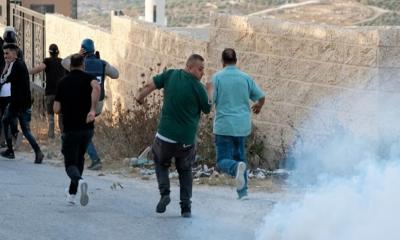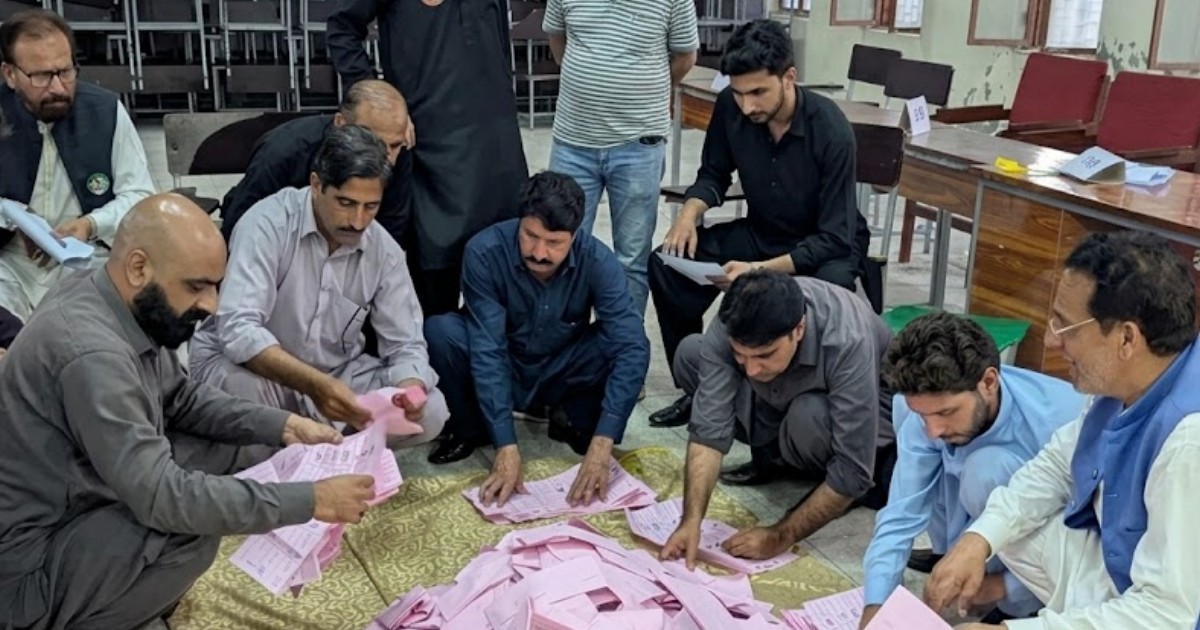
Dozens of people have been killed in Pakistan-administered Kashmir over the past two months during violent clashes between security forces and protesters demanding basic rights, according to BBC News. The region, which is home to approximately 4.5 million people, is currently holding local elections amid unprecedented unrest.
In the city of Rawalakot, a makeshift clinic located near the main protest site has been treating critically injured civilians. Dr. Anwar, who runs the facility from a spare bedroom with a bed set up under a red tarpaulin outside, told reporters that his clinic has received around 50 to 60 critically injured patients since July 27. He personally treated up to 20 individuals with gunshot wounds. Inside the clinic, a young man named Shafqat Hussain lay dying from a severe chest wound. Protesters have expressed deep fear of going to the main government hospitals, believing they might face arrest or be targeted if they seek treatment there.
The doctor noted that most of the casualties are extremely young. A vast majority of those killed or seriously injured are youths between the ages of 15 and 16, or young men aged 32 to 35. Very few patients over the age of 40 have been brought to the facility. The medical team is only equipped to provide first aid, stop bleeding, clean wounds, and remove superficial bullets. Patients with severe injuries to the chest, abdomen, or head require advanced surgical care that the makeshift clinic simply cannot provide, and even major hospitals would struggle with a sudden influx of such trauma cases.
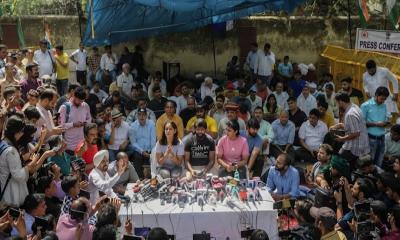
The protests are being led by the Joint Awami Action Committee, a group demanding affordable flour, cheaper electricity, and the fulfillment of basic rights. An agreement was signed between the protesters and the local government in October, but activists claim it was never properly implemented. This failure to deliver on promises prompted the demonstrators to attempt a march toward the regional capital of Muzaffarabad. Friends of the victims, like Ali, who wept by Shafqat Hussain`s bedside, asked why live ammunition was being used against people demanding basic survival needs.
Local authorities have presented a completely different narrative regarding the crisis. Officials banned the Joint Awami Action Committee in June, labeling them as foreign-funded terrorists armed with weapons. With local elections currently underway, the government claims the protesters are actively trying to disrupt the democratic process. The protest leaders firmly reject these accusations, insisting they are a peaceful movement funded by the Kashmiri diaspora and absolutely not sponsored by India or any other foreign power. What remains unclear is exactly how localized economic grievances escalated into lethal confrontations so quickly.
Getting accurate information out of Rawalakot has proven difficult due to widespread internet blackouts and heavily guarded roadblocks. Despite these restrictions, grieving families shared their stories. A mother named Asma recounted hearing about her only son`s death while she was attending the protests. She described him as a young man who believed standing up for justice was an honor. Another resident, Salman, mourned the loss of his younger brother, maintaining that he was entirely peaceful and unarmed when he was killed.
Ayub, a retired soldier who also lost his son to the violence, pointed his finger directly at the regional administration for deploying paramilitary forces. He recalled living through the harsh martial law periods of General Zia-ul-Haq and General Pervez Musharraf, but stated he had never witnessed such extreme injustice against civilians. The regional government continues to deny allegations of indiscriminate firing against peaceful gatherings. Officials maintain that law enforcement only acted against individuals who attacked security personnel or threatened public safety. Meanwhile, the city is grappling with severe food shortages. With shops shuttered, protesters are sharing whatever limited supplies they have, while others attempt to smuggle small bags of rice into the city on motorcycles.