Iranians are experiencing a deep sense of uncertainty and mental fatigue as United States President Donald Trump frequently fluctuates between threats of military conflict and prospects of renewed diplomatic negotiations, according to Al Jazeera and Reuters reports published from Tehran. For months, the US president has issued daily proclamations regarding the ongoing confrontation, ranging from warnings of extensive bombing campaigns to sudden announcements of impending talks. This constant shift in tone has left ordinary citizens struggling to navigate their daily lives amidst an overwhelming cloud of unpredictability.
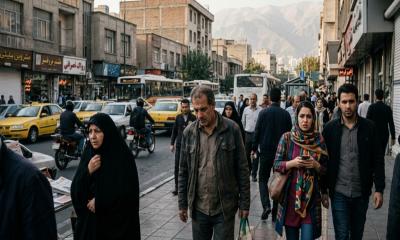
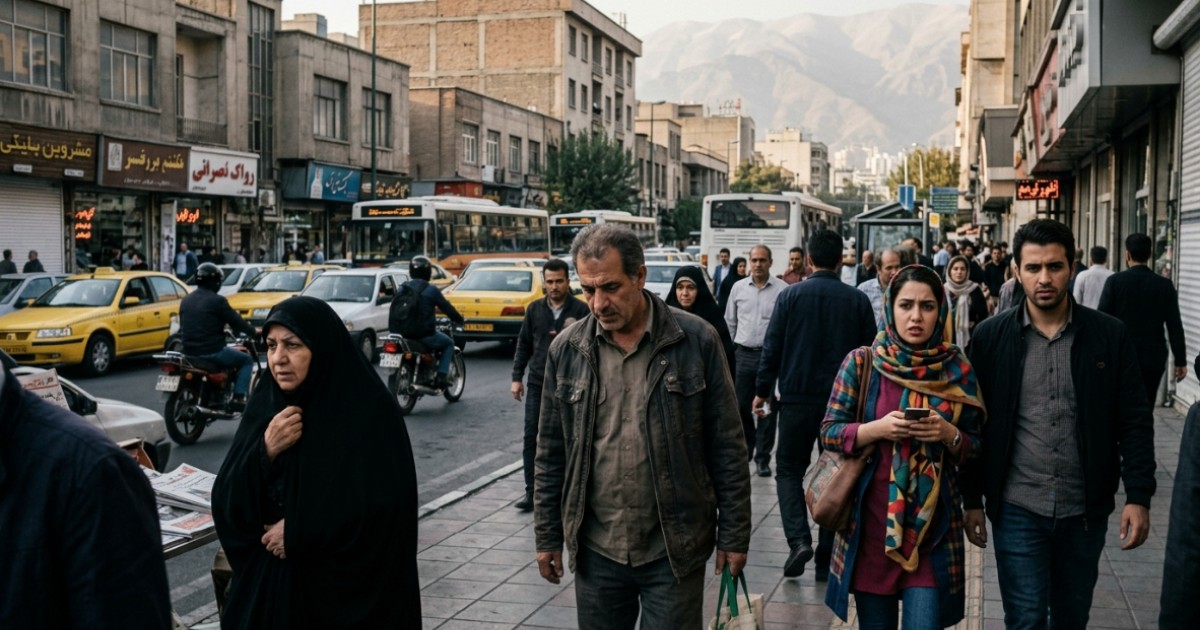
In the Iranian capital, many residents have deliberately chosen to disconnect from the relentless cycle of news headlines to protect their psychological well-being. Faezeh, a twenty-seven-year-old employee at a financial firm in central Tehran, explained that while presidential statements undeniably impact their reality, she actively tries to escape the toxic environment of uncertainty by focusing strictly on aspects within her control. Rather than obsessing over unverified reports and escalating rhetoric, she channels her energy into safeguarding herself and her loved ones from the compounding pressures of the crisis.
This sentiment is shared by numerous citizens as the protracted conflict approaches its critical milestones, with public anxiety remaining pronounced despite occasional diplomatic pauses. Observers note that the level of expectation and concern among the populace fluctuates sharply depending on the latest statements emanating from Washington. When threats of severe military escalation are temporarily suspended in favor of negotiated settlements, citizens experience brief respites followed by renewed skepticism when talks stall or break down entirely.
Roham, a colleague of Faezeh in central Tehran, pointed out that the modern information landscape has fundamentally altered how political leaders communicate, arguing that contemporary leaders often rely heavily on public declarations via digital platforms rather than substantive, quiet diplomacy. For Roham, the core dilemma extends beyond fluctuating foreign policies, encompassing domestic structural limitations that restrict open dialogue and civic participation within the country. He noted that the lack of internal avenues for public expression leaves citizens feeling entirely untethered and uniquely vulnerable to external shocks.
International policy analysts emphasize that the prolonged standoff between Washington and Tehran continues to exert a heavy toll on the socioeconomic fabric of Iranian society. Currency fluctuations, rising inflation, and severe restrictions on everyday commerce have compounded the psychological strain born from geopolitical instability. While regional intermediaries and international diplomats periodically attempt to bridge the diplomatic divide, deep-seated mistrust between the opposing administrations routinely obstructs meaningful progress toward a lasting peace accord.
What remains unclear is whether the current diplomatic overtures will finally yield a sustainable framework or if the region is merely bracing for another cycle of heightened escalation. As ordinary citizens continue to adapt to an environment defined by volatility and conflicting signals, the human cost of high-stakes geopolitics remains painfully evident on the streets of Tehran. The collective desire for stability and predictable governance clashes daily with the harsh reality of international brinkmanship, leaving millions of people caught indefinitely in the crossfire of political posturing.