Harare`s streets remained unusually quiet as residents and business owners navigated a heavy security presence following a nationwide shutdown call over controversial constitutional amendments, according to Al Jazeera. The morning rush hour that typically clogs the capital`s main thoroughfares was notably absent, allowing for a much faster commute into the central business district than on a standard working day. The palpable tension across the city reflected deep societal divisions following the passage of sweeping legislative changes that have upended the nation`s political landscape.
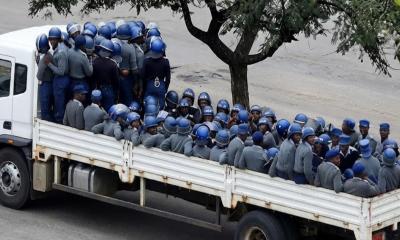
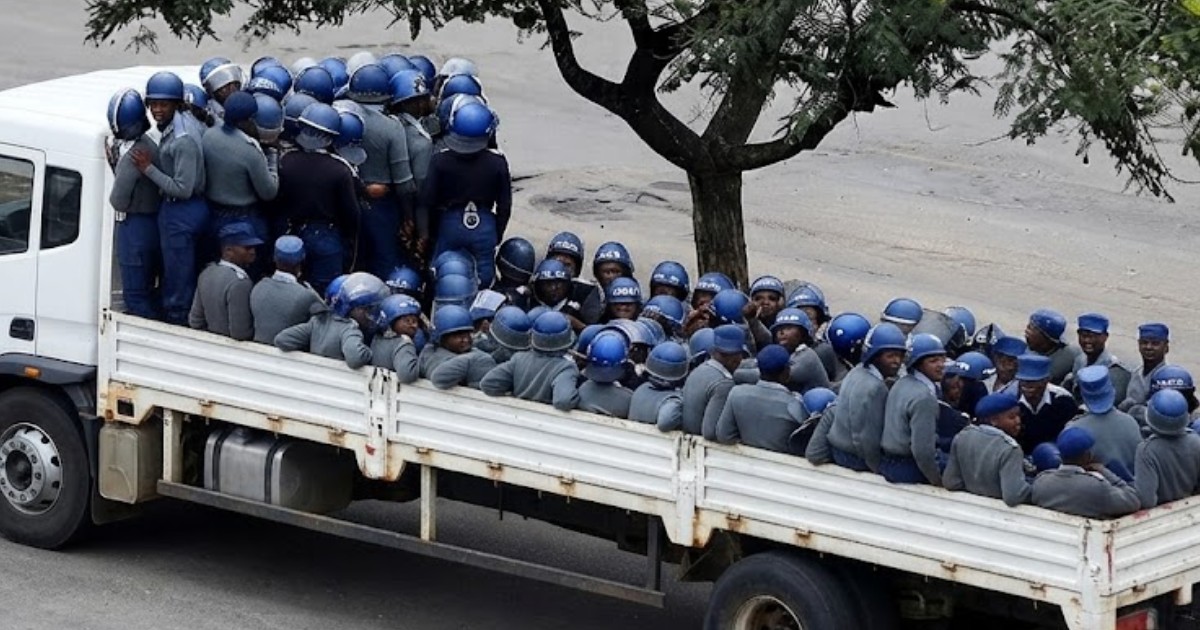
Police forces and security personnel were deployed extensively across Harare, blocking access to major public parks and gathering spaces where demonstrations might occur. Water cannon trucks and specialized security vehicles were positioned near traditional protest zones as authorities signaled zero tolerance for unauthorized public assemblies. While some small business owners and taxi operators attempted to open their shops in localized commercial hubs, many establishments remained shuttered amid fears of potential unrest and police crackdowns.
The root of the current standoff lies in controversial constitutional amendments that were recently rushed through parliament and signed into law. These sweeping legislative revisions extend both presidential and parliamentary terms from five years to seven years while fundamentally altering how the nation`s leader is chosen. Instead of a direct popular vote by citizens, future presidents will be selected by parliament, a change that critics argue strips the electorate of their primary democratic voice and concentrates power further within the ruling establishment.
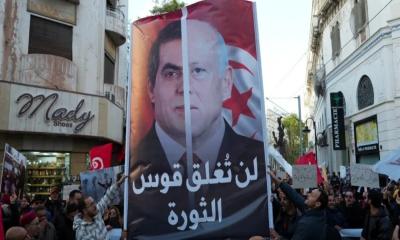
Opposition groups, civil society organizations, and prominent legal minds have vehemently condemned the legislative package, labeling the executive maneuver as a constitutional coup designed to cement long-term rule. Activists argue that extending the political timeline without genuine public consensus undermines the foundational principles established under the 2013 constitution. Civil rights advocates have documented mounting pressure against dissent, noting that peaceful opposition figures face continuous harassment, intimidation, and arbitrary disruptions during public consultations.
Government officials have robustly defended the legislative reforms, insisting they are vital for national stability, policy continuity, and economic development. Representatives from the administration maintain that reducing the frequency of highly polarising national elections will prevent economic disruption and allow the government to focus entirely on its long-term national development goals. Authorities have rejected claims that the process bypassed public interest, citing extensive consultations and broad legislative majorities during the parliamentary voting process.
The standoff highlights the fragile state of governance and political accountability in the southern African nation as citizens grapple with economic hardships alongside political polarization. Regional and international observers, including human rights organizations, continue to monitor the unfolding situation closely as tensions simmer beneath the surface. With key opposition figures vowing to pursue legal and civic challenges, the political climate in Harare remains deeply unpredictable, signaling a protracted struggle over the future direction of the country`s democratic institutions.