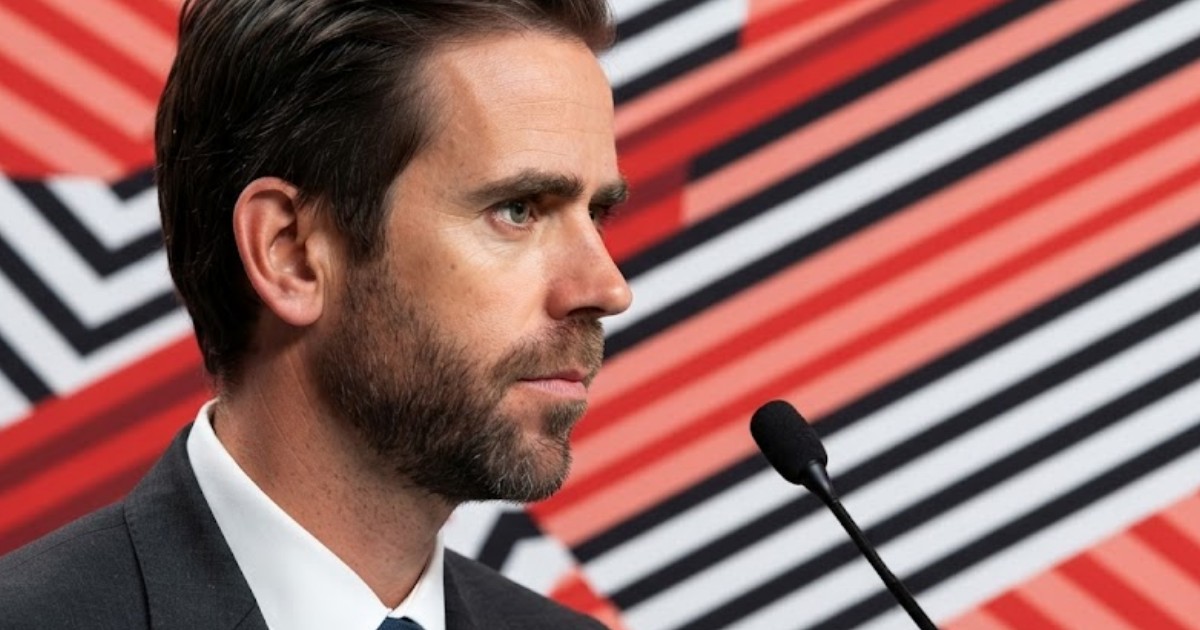
Gianni Infantino’s position as FIFA president appears increasingly untenable following a widespread backlash and a hastily scrapped plan to sell a commercial stake in the World Cup, according to the head of Europe`s professional football leagues, Reuters reported. Claudius Schafer, who leads an organization representing fifty-three professional men`s and women`s leagues across Europe, stated on Sunday that there should be only one consequence for such unilateral actions.
The controversy erupted after details emerged regarding a proposal to privatize a portion of the World Cup`s commercial rights through a newly created subsidiary. The plan triggered swift and fierce opposition from regional associations and leagues, who argued that football’s premier tournament should not be treated as a private equity asset. Speaking to the Swiss newspaper SonntagsZeitung, Schafer emphasized that key governing bodies within FIFA were entirely sidelined during the drafting process.
When asked directly whether this meant Infantino was now unacceptable as the head of global football, Schafer maintained that leadership failures of this magnitude carry clear administrative consequences. He pointed out that pushing forward with a major commercial transaction without informing foundational stakeholders or the FIFA Council breaks the fundamental trust required in any major international organization.
The fallout deepened significantly over the weekend. On Friday, FIFA announced it was officially scrapping the controversial proposal in the face of mounting pressure. However, the concession failed to stem the tide of criticism. Over the weekend, major continental confederations including UEFA and CONCACAF openly declared they had lost confidence in Infantino’s leadership, setting the stage for an unprecedented governance crisis within world football.
Schafer, who also serves as the chief executive of the Swiss Football League, noted that the underlying motive behind the proposal appeared to be a relentless drive to maximize third-party profits through an expanding schedule of competitions. He warned that prioritizing financial advantages over the health of the sport ignores the foundational structures that allow national championships to thrive. The European Leagues have consistently opposed measures that add fixture congestion to an already overburdened international calendar.
The friction between FIFA and European football bodies extends beyond the recent commercial rights dispute. Earlier legal challenges and complaints filed with European authorities regarding the international match calendar have already strained relations between clubs and world football headquarters. Industry analysts point out that the latest governance breakdown exposes a widening chasm between top leadership and the domestic leagues that sustain the daily ecosystem of the sport. As national associations across various continents convene to assess the situation, the debate over accountability and reform within international sports administration is intensifying rapidly.
The unfolding crisis highlights deep-seated tensions between global football authorities and domestic leagues regarding governance transparency and calendar management. With key regional bodies withdrawing their backing, pressure on the FIFA leadership continues to mount. Observers note that rebuilding fractured relations with European and regional stakeholders will present a monumental challenge as the governing body navigates the aftermath of the failed commercialization bid. Further developments are expected as national federations evaluate their stance on the leadership crisis.