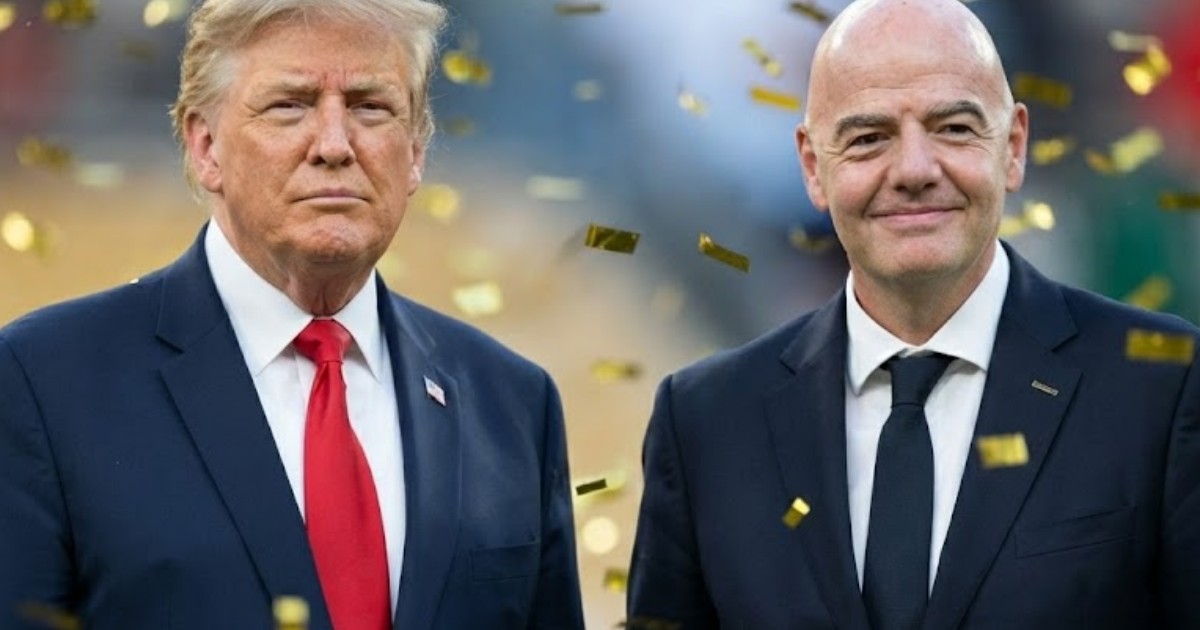
Global football governing body FIFA is exploring the possibility of expanding the World Cup to sixty-four teams for the two thousand thirty centennial edition, according to internal documents reviewed by Reuters. The ambitious proposal could fundamentally reshape the sport`s premier showcase as it celebrates its one-hundredth anniversary, building upon the recent transition from thirty-two to forty-eight teams for the tournament hosted across the United States, Canada, and Mexico.
The accelerated feasibility study follows an official proposal submitted last year by the South American football confederation, CONMEBOL, which advocated for a sixty-four-team format to allow more nations to participate in the historic centennial celebrations. In response to the regional push, FIFA has initiated a fast-track tender process to appoint an independent agency. This external evaluation will assess whether and how an expanded tournament would impact the overall proposition, competitive balance, and commercial viability of the global event.
According to the research brief seen by Reuters, the selected agency will be tasked with delivering its findings within a tight four-week window. The comprehensive analysis will weigh the potential benefits of increased global representation against significant operational challenges, including fixture congestion, tournament dilution, and logistical complexities across host venues. Critics have repeatedly voiced concerns over the strain placed on players and national leagues by an ever-expanding international match calendar.
The development comes at a particularly sensitive time for FIFA leadership, arriving on the heels of intense controversy surrounding a proposed twenty billion dollar commercial subsidiary backed by external investors. That financial maneuver has already sparked sharp criticism and a threatened boycott of FIFA events by European football authorities. UEFA President Aleksander Ceferin previously expressed skepticism regarding any expansion beyond forty-eight teams, noting that larger formats could compromise the competitive integrity of the tournament.
Despite the mounting pushback from powerful regional confederations, FIFA President Gianni Infantino continues to champion inclusive growth and expanded global participation in elite football competitions. If the independent agency`s findings are favorable, the governing body could formally table the sixty-four-team proposal for executive council approval later this year. However, whether the football community can absorb such a massive structural leap remains one of the most pressing questions in modern sports administration.
The logistical hurdles of hosting sixty-four national teams would require unprecedented infrastructure coordination among host nations, potentially expanding co-hosting models across multiple continents. Furthermore, financial stakeholders and broadcasting partners are evaluating how a larger tournament would influence media rights valuations and global viewership patterns. With more matches and a wider geographic spread of participating nations, revenue streams could shift dramatically, opening new markets while simultaneously testing viewer fatigue. FIFA officials maintain that rigorous empirical research must guide any structural changes to protect the long-term financial health and prestige of the World Cup. As stakeholders await the final report expected in September, the global football community remains deeply divided over the future scale of the tournament.