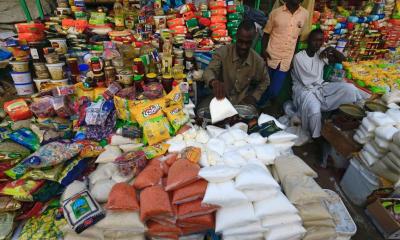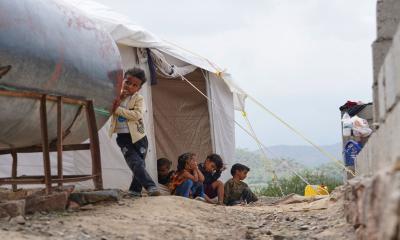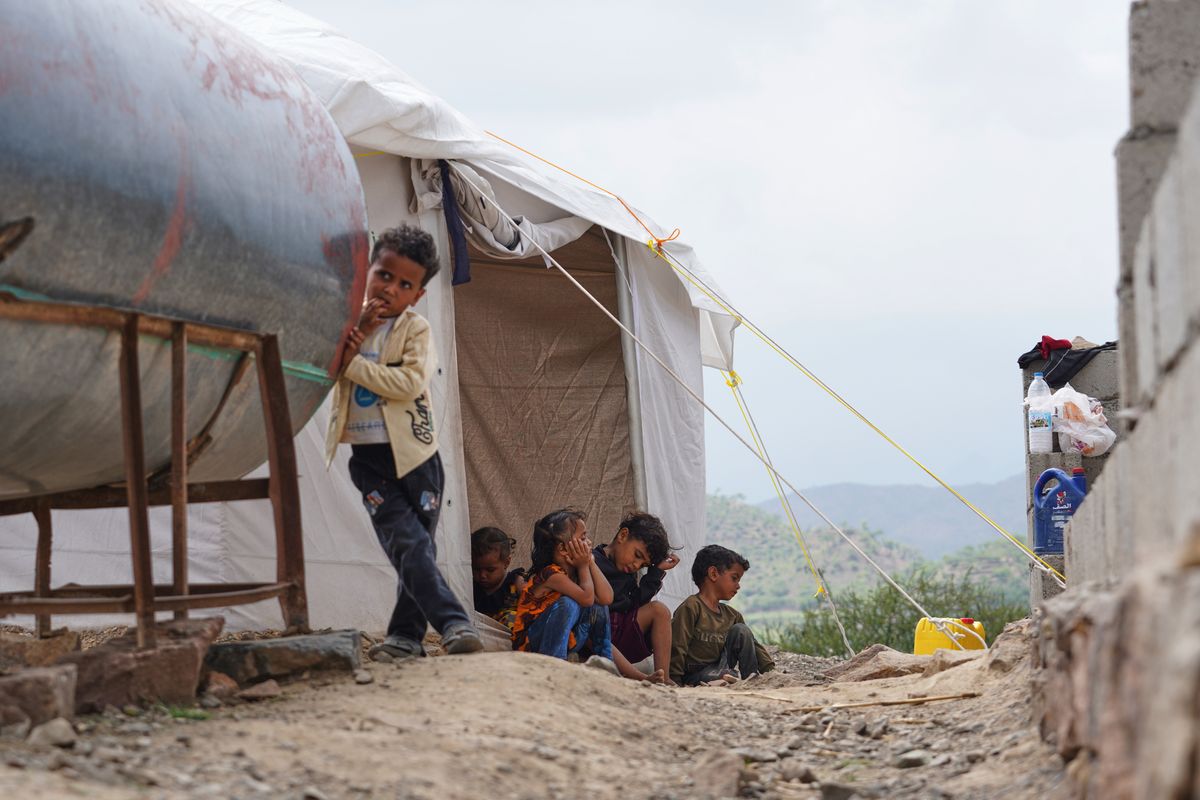
The ongoing detention of 71 United Nations personnel by the Houthi militia makes aid operations in parts of Yemen under their control untenable. The UN says the situation leaves more than 800,000 people in and around the besieged city of Taiz cut off from food and other vital supplies.
Shirin Yaseen, associate spokesperson for UN Secretary-General Antonio Guterres, said the arbitrary detentions directly affect millions of vulnerable people. Regional conflict escalations make the work of the organisation more essential than ever.
These actions render the delivery of humanitarian aid in areas under the control of the Houthis untenable at this time, Yaseen told reporters on Thursday. The UN continues to press for the release of its personnel, former staff, civil society workers, and diplomatic mission employees held by the militia, demanding respect for international law and UN immunities.
Some individuals have remained in detention for years without their families receiving any news of their fate. There are cases of people who died in detention, Yaseen said.
Securing the release of the detainees alone would not resolve the broader humanitarian crisis. While freeing them would provide a massive boost to staff morale and change lives, core obstacles to aid remain access restrictions and ongoing fighting.
What the organisation needs is access, an end to the fighting, and permission for humanitarians to reach those in need wherever they are, Yaseen stated. The UN lacks any presence inside Taiz itself, relying instead on Yemeni aid workers from local and international nongovernmental organisations.
Talks and engagements continue constantly regarding Taiz, with discussions involving all parties to improve access for families in the city. When asked about a Human Rights Watch assessment that the Taiz blockade might constitute a war crime, Yaseen declined to offer a legal characterization, saying she is not a legal expert.
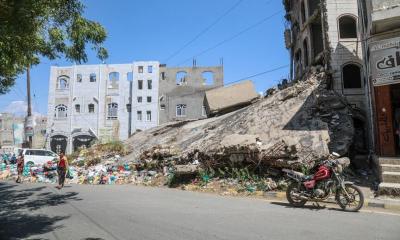
The Iran-backed Houthis intensified their siege of Taiz in early October after seizing the road connecting the city with Aden, the seat of Yemen’s internationally recognized government. The World Food Programme estimates that about three-quarters of the population of more than 800,000 cut off in Taiz depend entirely on humanitarian assistance.
Taiz, the third-largest city in Yemen, has faced varying degrees of Houthi siege since 2015. UN human rights chief Volker Turk previously warned of a looming catastrophe unless aid reaches the area.
The militia continues to expand its arrests of UN personnel in Sanaa and other controlled territories, accusing the detainees of espionage without providing evidence, a charge rejected by the UN. Meanwhile, UN special envoy for Yemen Hans Grundberg concluded a visit to Moscow, meeting with Russian Deputy Foreign Minister Alexander Alimov and other senior officials to discuss a political settlement.