Qatar rejected allegations on Thursday that it had funded activities to influence parliamentary elections in Israel. Doha accused Israeli politicians of trying to draw the Gulf nation into domestic political disputes after a vote left Prime Minister Benjamin Netanyahu’s coalition without a majority.
Majed Al-Ansari, spokesperson for the Qatari Foreign Ministry, issued a statement on X addressing the claims. He stated that the accusations would not deter the country from pursuing mediation efforts, backing the Palestinian people or resolving regional conflicts through diplomacy.
"We categorically deny allegations that Qatar has interfered in Israeli elections or funded any activities intended to influence their outcome," Al-Ansari said.
He said Israeli politicians had previously accused Doha of holding influence over Netanyahu, the political left and now Arab voters. Al-Ansari remarked that if the claims were true, Qatar would apparently own the entire country.
The remarks followed a directive from the head of Israel’s Central Elections Committee. Supreme Court Justice Noam Sohlberg asked the Shin Bet domestic security agency to investigate suspicions of foreign funding intended to sway the vote held on Tuesday.
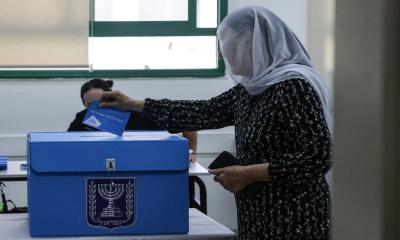
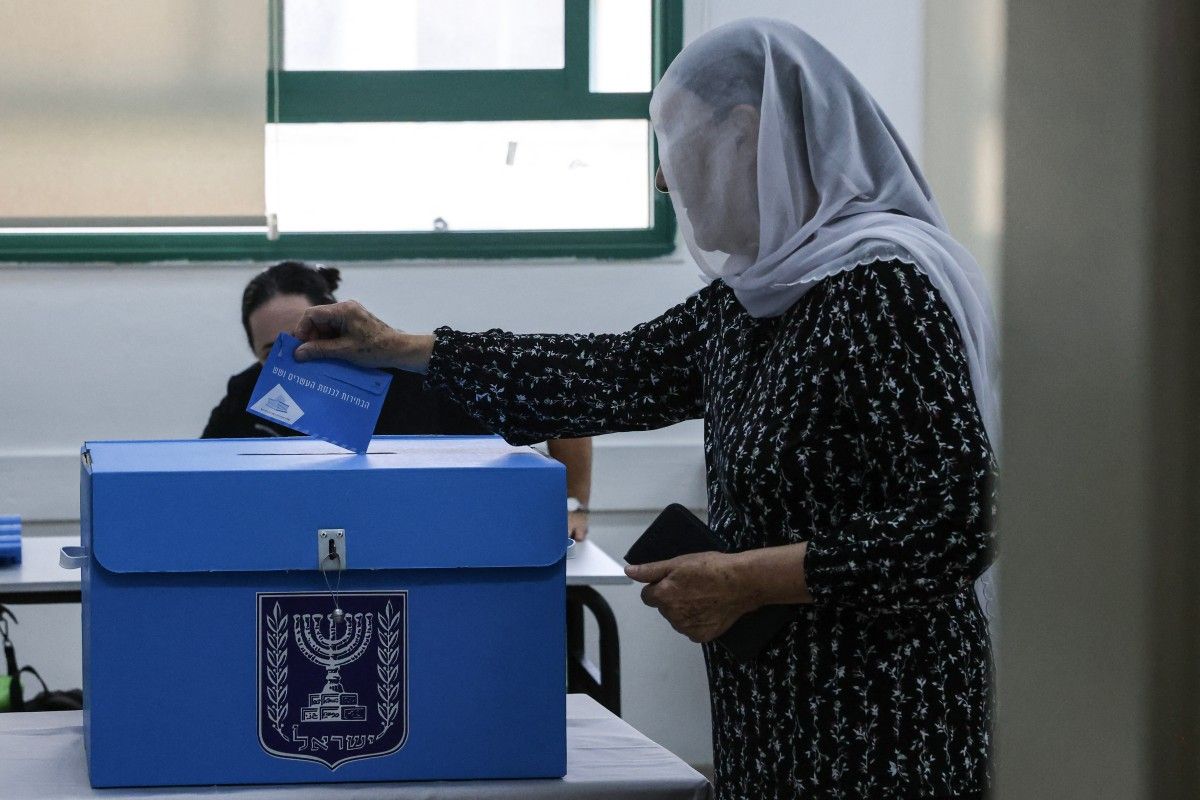
Israeli media reported claims that Qatar provided money to organisations working to increase turnout among Arab voters. A strong showing by Arab voters complicated efforts by Netanyahu to secure another term in office.
Sohlberg described the suspicions as serious but unsubstantiated. He asked the security agency to determine whether any evidence supported the claims.
Al-Ansari labeled the accusations a disinformation campaign led by Israeli politicians and their media allies, accusing them of using Qatar to deflect attention from their own political setbacks.
"Qatar should not be used as a scapegoat for the political failures of certain Israeli politicians," Al-Ansari said.
Preliminary results showed Netanyahu’s right-wing bloc winning 53 seats in the 120-member Knesset. The main opposition bloc led by Gadi Eisenkot secured 48 seats, while Arab-led parties were projected to win a combined 19 seats. Neither major bloc reached the 61 seats required for a parliamentary majority.