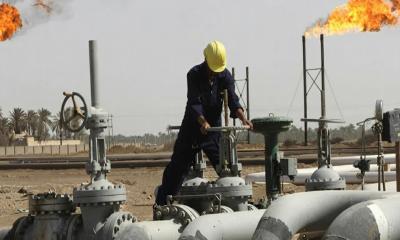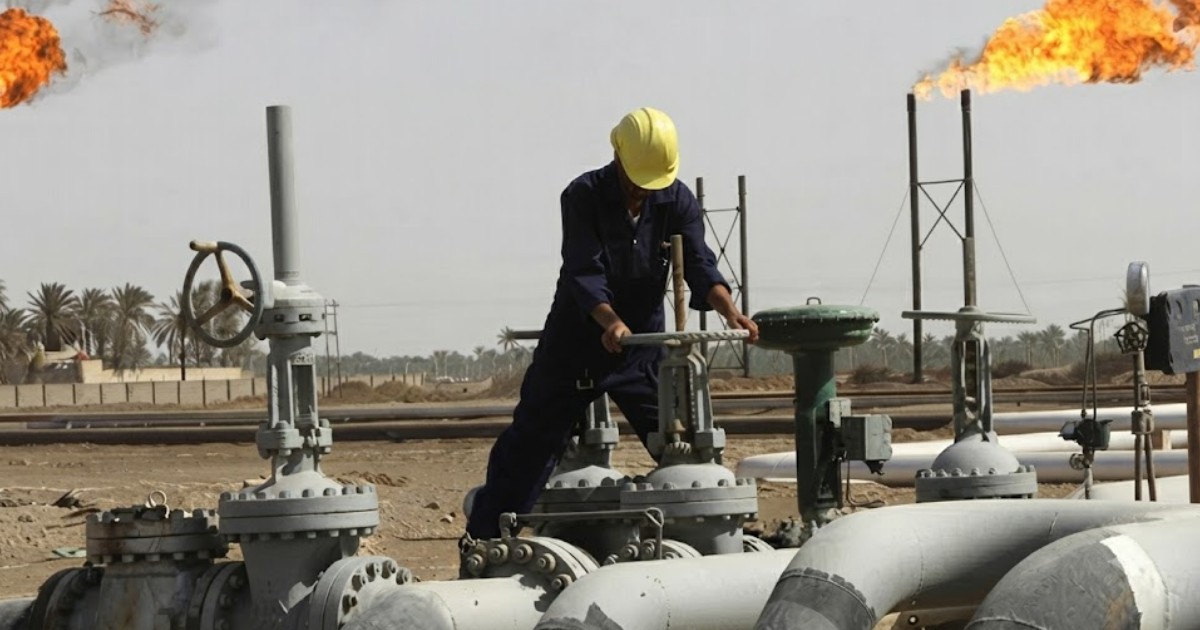
Turkey and Iraq have signed a one-year agreement to maintain crude oil flows through the Kirkuk-Ceyhan pipeline, following high-level diplomatic meetings in Ankara. The renewed arrangement ensures a transit capacity of 750,000 barrels per day, providing a critical export lifeline as global energy markets navigate ongoing geopolitical shifts.
The agreement was finalized between Turkish state-owned energy firm BOTAS and Iraqi state oil companies SOMO and NOC. It comes just days after the expiration of the previous bilateral framework. Turkish Energy Minister Alparslan Bayraktar announced the deal following productive discussions with Iraqi Oil Minister Bassem Mohammed Khudair in the Turkish capital, emphasizing that both nations are already working toward a comprehensive long-term pact.
The strategic importance of the pipeline has intensified significantly following disruptions in traditional maritime routes. Earlier this year, the effective closure of the Strait of Hormuz forced Baghdad to seek alternative export channels. Iraqi oil exports suffered a sharp decline after military actions in late February disrupted shipments through the Gulf, causing monthly oil revenues to plummet from approximately six billion dollars to under two billion dollars.
Currently, the Kirkuk-Ceyhan pipeline operates well below its maximum capacity of 1.5 million barrels per day, transporting roughly 170,000 barrels daily, predominantly from fields in Iraq`s Kurdistan region. These northern fields have faced intermittent security challenges since regional tensions escalated. Despite these hurdles, Turkish leadership aims to eventually expand pipeline capacity to integrate crude from southern Iraqi fields as well.
During a recent summit between Turkish President Recep Tayyip Erdogan and Iraqi Prime Minister Ali al-Zaidi, both leaders underscored the broader scope of bilateral cooperation. Beyond energy transit, future framework agreements will encompass electricity generation, water resource management, and regional stability initiatives. This renewed pipeline accord represents a vital step for Baghdad in securing a reliable Mediterranean export route amidst ongoing global supply uncertainties.