Public anger and protests are growing across Tunisia over severe economic decline and political repression five years after President Kais Saied`s power grab, Al Jazeera reported on Saturday. Five years after the Tunisian leader executed a dramatic consolidation of authority, the optimism that fueled the region following the landmark twenty-eleven revolution has largely evaporated. The widespread sense of public participation in building a democratic order has vanished, replaced by a political landscape where substantive policy debates have been sidelined in favor of entertainment programs. The national economy, which served as the primary catalyst for the historic uprising and later as the pretext for Saied`s self-coup, has continued to deteriorate significantly under mounting structural pressures.
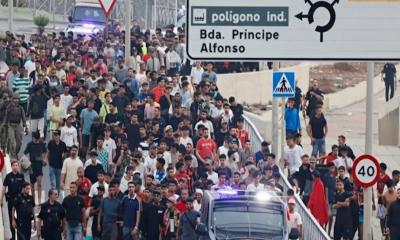
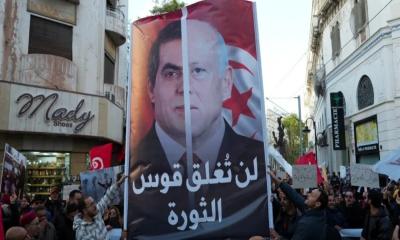
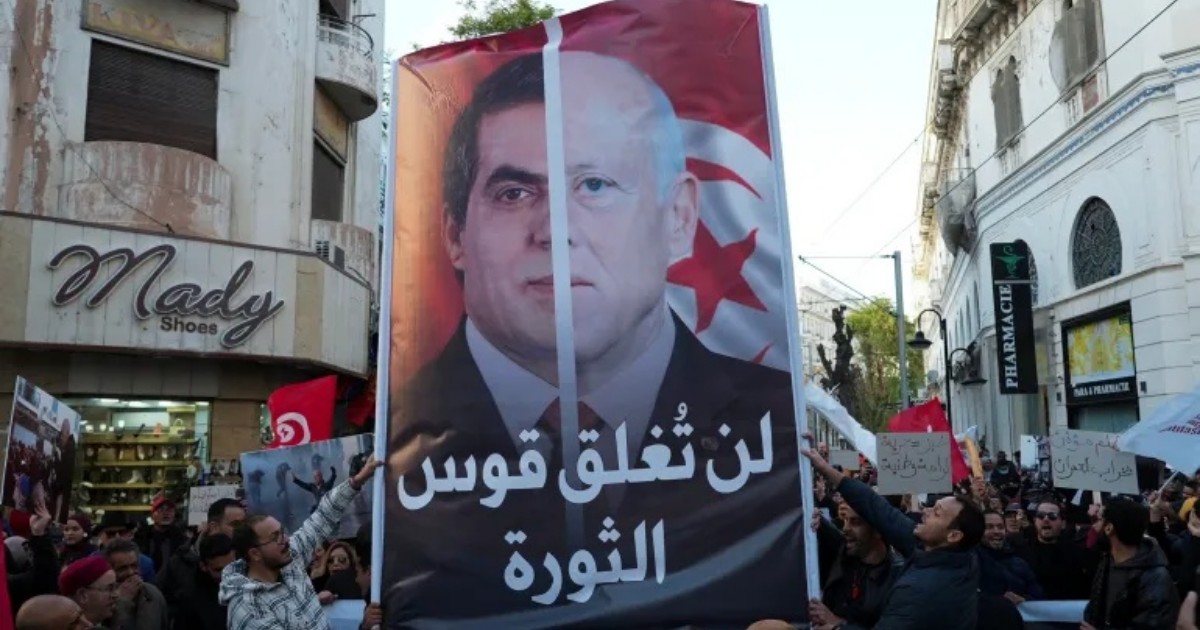
As a severe heatwave and relentless wildfires batter the country, routine blackouts have become commonplace, further fueling widespread public frustration and economic hardship. On Saturday, thousands of demonstrators flooded the streets of the capital to protest against what they view as an increasingly autocratic regime and worsening living conditions. Counter-protesters supporting the administration also gathered nearby, waving national flags and demanding harsh measures against political opponents, highlighting deep societal polarization.
Local journalists, constrained by an aggressive government crackdown on independent media, have been forced to navigate heavily restricted reporting conditions surrounding the demonstrations. Salsabil Chellali, the Tunisia director at Human Rights Watch, told Al Jazeera that a pervasive atmosphere of fear has taken root, convincing citizens that any form of public dissent will be met with severe government retaliation and legal prosecution.
Civil society organizations and political opposition groups have repeatedly warned that the suppression of fundamental freedoms will only exacerbate the nation`s instability. Public services continue to collapse, while unemployment and inflation remain major pain points for ordinary households struggling to make ends meet.
What remains unclear is how the administration plans to address these compounding economic and social grievances without alienating the broader populace further or triggering broader unrest. As international observers and human rights advocates monitor the escalating tensions, the widening gap between the official political narrative and the lived reality of ordinary Tunisians threatens to deepen the nation`s ongoing crisis.