Economic growth in the United States noticeably slowed during the second quarter of 2026 amid a widening trade deficit and escalating geopolitical tensions between the US and Iran, which have significantly weighed on global fuel prices and the broader US economy, according to Reuters and Al Jazeera.
The latest economic data reveals a challenging landscape for the American domestic market. The US Gross Domestic Product, a comprehensive measure of all goods and services produced domestically, grew by just 1.5 percent between April and June. This figure marks a significant deceleration from the 2.1 percent growth recorded in the first quarter of the year, according to the official Commerce Department’s Bureau of Economic Analysis report released on Thursday.
Despite the overall slowdown in national growth, domestic consumer spending actually saw a notable bump of 3.2 percent for the same quarter. Financial analysts attribute this surge to two contrasting factors. On one hand, consumers temporarily benefited from generous tax refunds issued under US President Donald Trump’s recently enacted ‘One Big Beautiful Bill Act’. On the other hand, a substantial portion of this increased consumer spending was forcefully driven by heightened petrol prices, meaning citizens had to spend considerably more just to maintain their daily commutes and basic household routines.
Inflation remains a persistent and complex challenge for national economic planners. The Personal Consumption Expenditure Price Index, which serves as one of the US Federal Reserve’s preferred metrics for gauging the national rate of inflation, increased by 3.7 percent for the month of June. This sustained inflationary pressure directly complicates the central bank`s ongoing strategic efforts to stabilize the economy through interest rate management without triggering a broader recession.
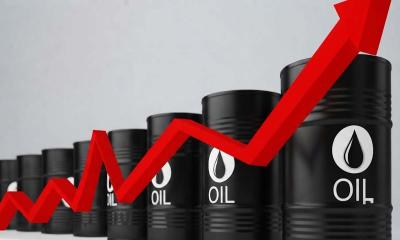
Fuel prices, in particular, are on a rapid upward trajectory following a brief period of reprieve earlier in the year. According to the American Automobile Association, which meticulously tracks daily fuel costs across the nation, the current average price for a gallon of petrol stands at 4.09 US dollars. This represents a sharp increase from 3.84 dollars just one month prior. For historical context, the average price was only 2.98 dollars back on February 28, exactly when the US and Israel first initiated coordinated military strikes against Iran.
While traditional manufacturing sectors struggle, financial analysts point to the ongoing artificial intelligence spending boom as a primary factor keeping the financial markets afloat. However, these tech industries are heavily import-reliant and significantly contribute to the expanding trade deficit. Rachel Ziemba, an adjunct senior fellow at the Center for a New American Security, told Al Jazeera that the overall economy continues to rely heavily on this highly concentrated technology investment.
This ongoing trend of relying on tech sector capital injections is expected to reflect heavily in the upcoming third-quarter economic reports, which will fully take the month of July into account. On Monday, market insiders reported that tech giant Nvidia is currently in advanced talks to make a massive 250 million US dollar investment in the AI firm OpenAI.
However, severe concerns are beginning to mount within financial circles regarding the long-term sustainability of such massive targeted investments. Critics are increasingly raising sharp questions over circular financing practices that appear to be artificially propping up the tech sector. What remains unclear is whether the broader US economy can withstand the mounting daily pressures of trade deficits and inflated fuel prices if the current artificial intelligence investment bubble eventually begins to deflate.