According to the Holy Quran and authentic Islamic history, the history of homosexuality in Islam traces its origins back to the people of Prophet Lut (Lot), who inhabited the ancient city of Sodom. Relying on extensive scriptural accounts and classical texts like Tafsir Ibn Kathir, Islamic scholars highlight that this ancient nation introduced a major moral transgression that was completely unprecedented in human history.
The people of Sodom, located near the modern-day borders of Jordan and Palestine, were notorious for highway robbery, public indecency, and widespread violence. However, their most severe crime was the absolute normalization of same-sex relations, largely driven by demonic deception. The Quran sharply condemns this explicit deviation from natural bounds, stating, "And We sent Lut when he said to his people: `Do you commit such immorality as no one in the world has done before you? Indeed, you approach men with desire, instead of women. Rather, you are a transgressing people.`" (Surah Al-A`raf: 80-81).
For many years, Prophet Lut tirelessly urged his community to abandon these destructive practices and return to divine guidance. Instead of reflecting on his sincere warnings, the defiant nation mocked his calls for purity and openly threatened him with violent exile. The Quran captures their arrogant dismissal: "Evict them from your city! Indeed, they are men who keep themselves pure." (Surah Al-A`raf: 82).
The transgression reached a terrifying breaking point when Allah sent angels disguised as incredibly handsome young men to visit Prophet Lut as guests. Upon hearing of their arrival, the corrupt townspeople aggressively surrounded the Prophet`s house, intending to assault the heavenly visitors. Prophet Lut expressed profound distress and helplessness in the face of the violent mob. The Quran records his painful outcry: "Lut said, `If only I had strength against you or could take refuge in a strong support.`" (Surah Hud: 80).
Tragically, internal betrayal within Prophet Lut`s own household ultimately sealed the fate of the city. His wife, who secretly harbored sympathies for the wrongdoers, informed the corrupt townsfolk about the handsome guests. Because she actively aligned herself with the oppressors, she was condemned alongside them. The Quran explicitly states, "Except his wife; she was of those who remained behind." (Surah Al-Hijr: 60).
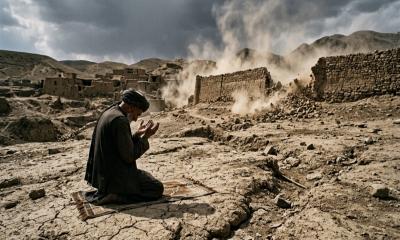
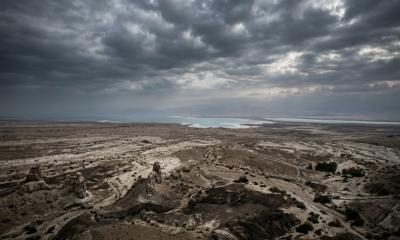
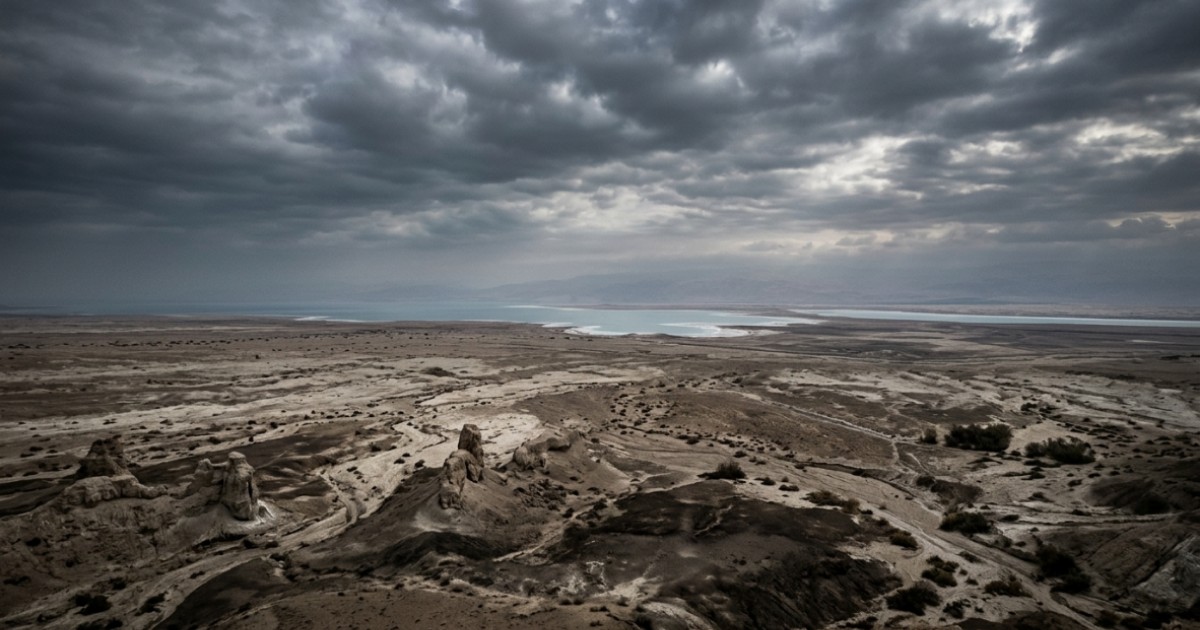
Following direct divine command, Prophet Lut and his believing followers evacuated the city during the final dark hours of the night. Shortly after their departure, absolute destruction descended upon Sodom. The Quran describes the terrifying punishment: "So when Our command came, We made the highest part of the city its lowest and rained upon them stones of layered hard clay." (Surah Hud: 82). Classical historians strongly associate the ruins of this punished city with the modern-day Dead Sea, an incredibly saline body of water where regular marine life cannot survive.
The devastating fate of Sodom is not merely an ancient historical account but a permanent warning for all subsequent human generations. As modern societies heavily attempt to rebrand and normalize these unnatural desires, what remains unclear is why humanity continuously fails to draw practical lessons from such catastrophic historical precedents. Prophet Muhammad heavily warned his followers about the resurgence of this specific sin, stating, "The thing I fear most for my Ummah is the practice of the people of Lut." (Sunan Ibn Majah: 2563). In another authentic narration, he invoked severe divine condemnation upon those who replicate these actions (Sunan Abi Dawud: 4462). While Islam greatly respects human dignity, it strictly forbids crossing the natural and moral boundaries established by the Creator.