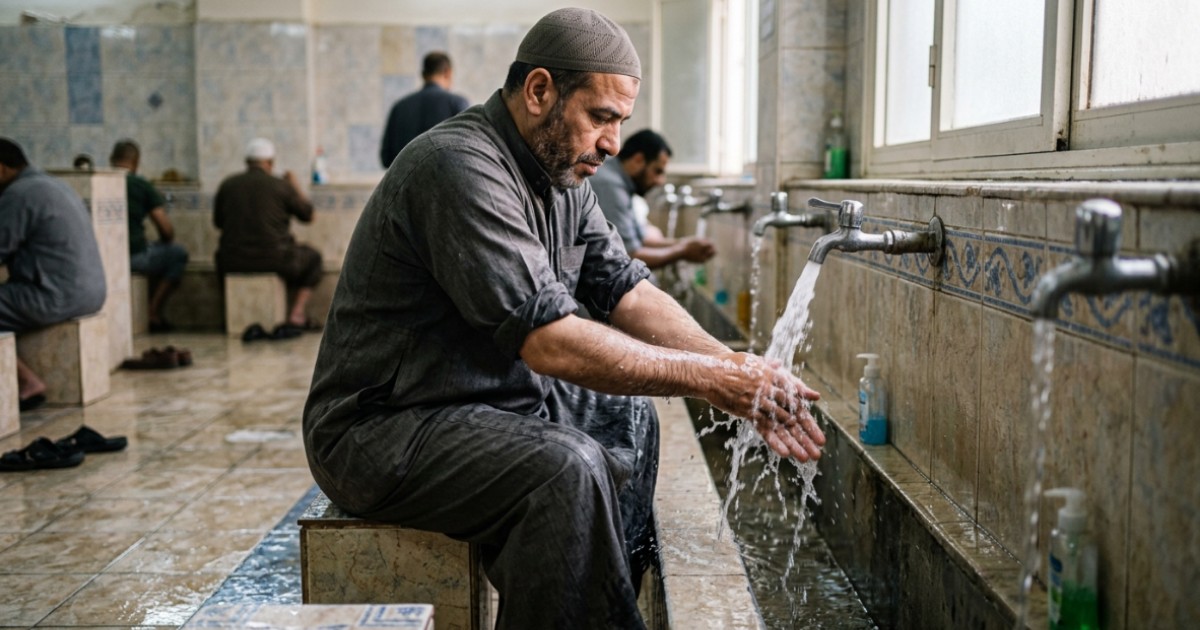
Wudu, or the ritual ablution, is a fundamental prerequisite for prayer and a deeply significant act of worship in Islam. It is through Wudu that a believer attains both physical and spiritual purity before standing in the presence of the Almighty. However, due to ignorance or negligence, many people inadvertently commit mistakes that contradict the Sunnah or compromise the validity of their ablution. As believers, it is our duty to perform every act of worship with precision and sincerity, ensuring that our rituals are as flawless as possible.
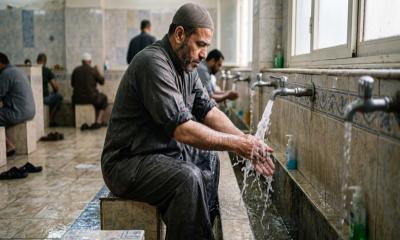
One of the most frequent mistakes witnessed during Wudu is the extravagant waste of water. It is common to see individuals leaving the tap running while they perform the motions of ablution, resulting in the waste of several liters of water. Islam strictly prohibits extravagance in all matters, especially in acts of worship. Allah states in the Quran, And do not be excessive. Indeed, He does not like the wasteful (Surah Al-An`am, 6:141). The Prophet Muhammad (peace be upon him) taught moderation in Wudu. It was narrated that the Prophet (peace be upon him) passed by Sa`d (may Allah be pleased with him) while he was performing Wudu and said, What is this waste? Sa`d asked, Is there waste in Wudu? He replied, Yes, even if you are by a flowing river (Sunan Ibn Majah, 425). This serves as a reminder for all of us, especially when using water in mosques or public spaces, to be mindful and responsible.
Another critical error is leaving parts of the obligatory limbs dry. During colder months or when performing Wudu in a rush, it is easy to neglect areas such as the back of the heels or the skin beneath the elbows. For Wudu to be complete, water must reach every part of the required limbs. The Prophet (peace be upon him) warned severely against such negligence. He once saw some men performing Wudu and noticed that their heels were dry. He cautioned them by saying, Woe to the heels from the Fire (Sahih Al-Bukhari, 163; Sahih Muslim, 241). It is essential to ensure that we rub our limbs thoroughly, making certain that water covers every inch of the specified areas.
Finally, washing limbs more than three times is contrary to the established Sunnah. The Prophet (peace be upon him) washed his limbs one, two, or three times, but there is no authentic evidence for exceeding this limit. Most scholars consider washing beyond three times to be disliked or contrary to the Sunnah. Perfection in worship is achieved by adhering to the limits set by the Prophet (peace be upon him). It is reported that he used to perform Wudu with very little water, approximately one mudd, which is less than a liter by modern measurements. By following the Sunnah and being mindful of these common errors, we can ensure that our ablution is not only valid but also a source of spiritual cleansing and reward.