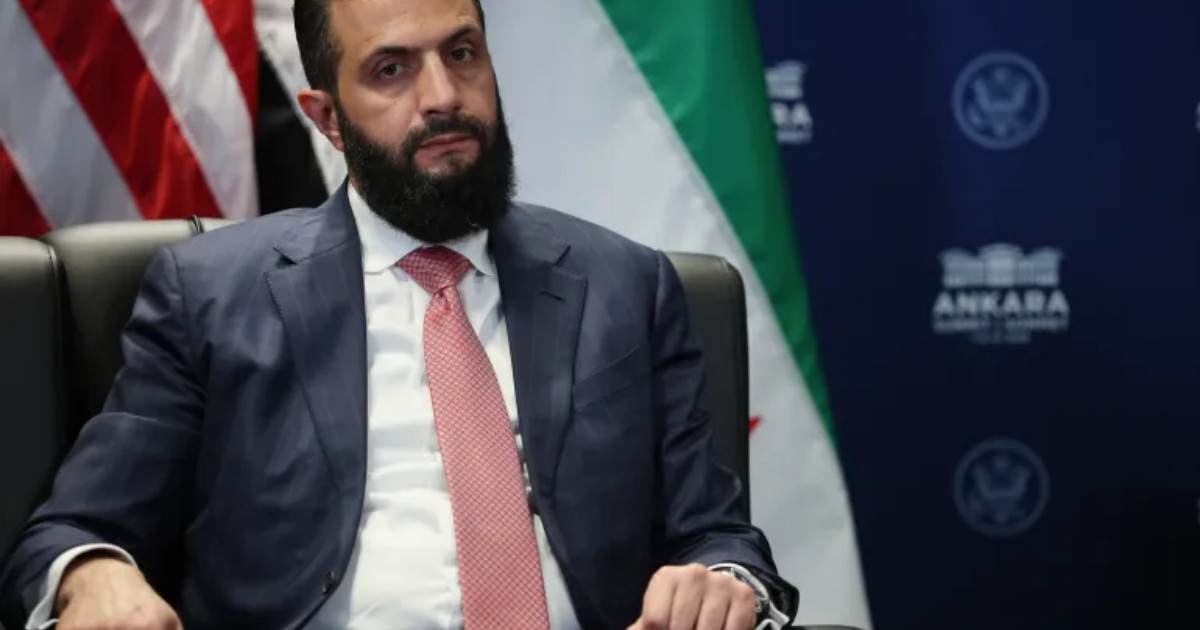
The global chemical weapons watchdog, the Organisation for the Prohibition of Chemical Weapons (OPCW), has officially restored Syria’s voting rights. This decision marks a significant shift in diplomatic relations and international monitoring following the political transformation in the country. The watchdog announced that the move stems from the concrete steps taken by the new Syrian administration led by President Ahmed al-Sharaa. Since the fall of the Bashar al-Assad regime in 2024, the authorities have demonstrated a renewed commitment to fulfilling Syria’s obligations under the Chemical Weapons Convention.
The OPCW had suspended Syria’s voting privileges in 2021 following the former government`s failure to declare the full extent of its weapons programme and credible reports regarding the repeated use of poison gas during the protracted civil war. The current administration has since facilitated verification activities and begun the process of destroying identified remnants, a move that the OPCW Director-General Fernando Arias described as tangible progress. This decision follows years of intense scrutiny and tension regarding Syria`s adherence to international law and non-proliferation treaties.
Syria joined the OPCW in 2013 after global condemnation over the Ghouta chemical attack in Damascus, which resulted in hundreds of casualties. While the former government initially agreed to the supervised destruction of its stockpile, it was later accused of withholding information and misleading inspectors about the overall scope of its chemical weapons programme. The current diplomatic outreach and cooperation are seen as a strategic attempt to re-establish Syria within the international framework and shed the legacy of the previous administration.
The decision to restore voting rights was met with support from the wider community of States Parties, who view the current engagement as a positive development. However, the process of full transparency remains a long-term goal. The new Syrian authorities have committed to sustained cooperation with the Technical Secretariat, promising to address outstanding issues that have hindered compliance for over a decade.
For the international community, this development is a critical test of the new Syrian government’s credibility. While restoring voting rights is a procedural step, it symbolizes a broader shift in how the international community engages with Damascus. As the country navigates the dual challenges of post-war reconstruction and adherence to international mandates, the success of this cooperation will likely influence Syria`s standing in other global institutions. The path forward requires consistent transparency and a clear departure from the practices that led to the initial suspension of privileges.