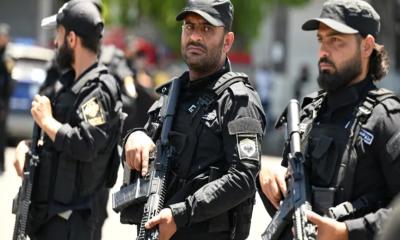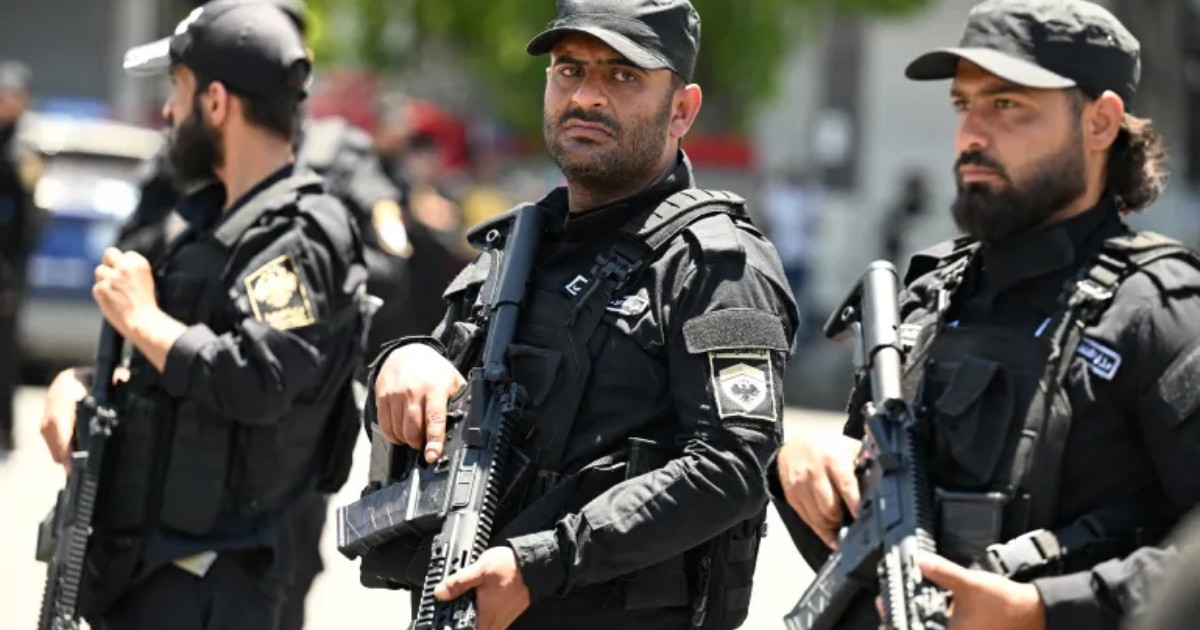
Syrian authorities have implemented a massive security overhaul across Damascus following a series of bomb blasts that have rattled the capital and challenged the stability of the country’s transitional government. The Ministry of Interior has deployed heavily armed patrols and established new checkpoints at critical urban intersections. These measures follow a deadly explosion at a local cafe on July 2 and a coordinated twin bombing on Tuesday, which occurred during a high-profile state visit by French President Emmanuel Macron.
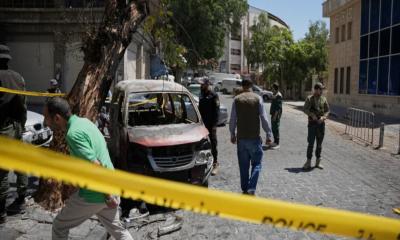
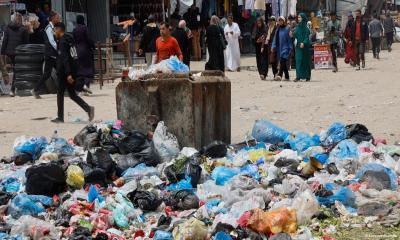
In response to the deteriorating security environment, the government has extended exclusion zones around key institutions, including judicial centers, diplomatic missions, and core administrative buildings. These areas are now reinforced with concrete blast walls, and security forces are conducting mandatory vehicle searches at all major entry points into the capital. The latest twin bombing, which involved improvised explosive devices hidden in a roadside rubbish bin and a parked car, took place just before security teams could defuse the threats.
While the blasts occurred in relatively close proximity to the hotel where President Macron had spent the night, authorities have emphasized that the French delegation remained outside the designated security perimeter throughout the event. Officials maintain that the attack posed no direct threat to the president. Despite this assurance, the ability of attackers to coordinate such an assault in the center of the capital has sparked significant concerns regarding the efficacy of existing security protocols.
Specialized security units are currently engaged in sweeping field operations, utilizing urban surveillance footage to track the ownership of vehicles used in the attacks and scanning critical infrastructure for potential secondary explosive devices. The Syrian administration is under intense pressure to demonstrate its ability to maintain order, especially as foreign diplomats and international delegations continue to navigate the complex political landscape in Damascus.
Navvar Saban, a researcher in security and military affairs at the Arab Center for Contemporary Studies in Syria, noted that while checkpoints and visible patrols provide a sense of order, they are insufficient for long-term stabilization. Saban emphasized that preventing such coordinated attacks requires sophisticated intelligence work, the mapping of militant networks, and the monitoring of explosive materials. Furthermore, he highlighted the necessity of improving information sharing and building cooperation with local communities to effectively counter these persistent threats. As the government continues its investigation, the city remains on high alert, with residents awaiting further developments regarding the stability of the capital.