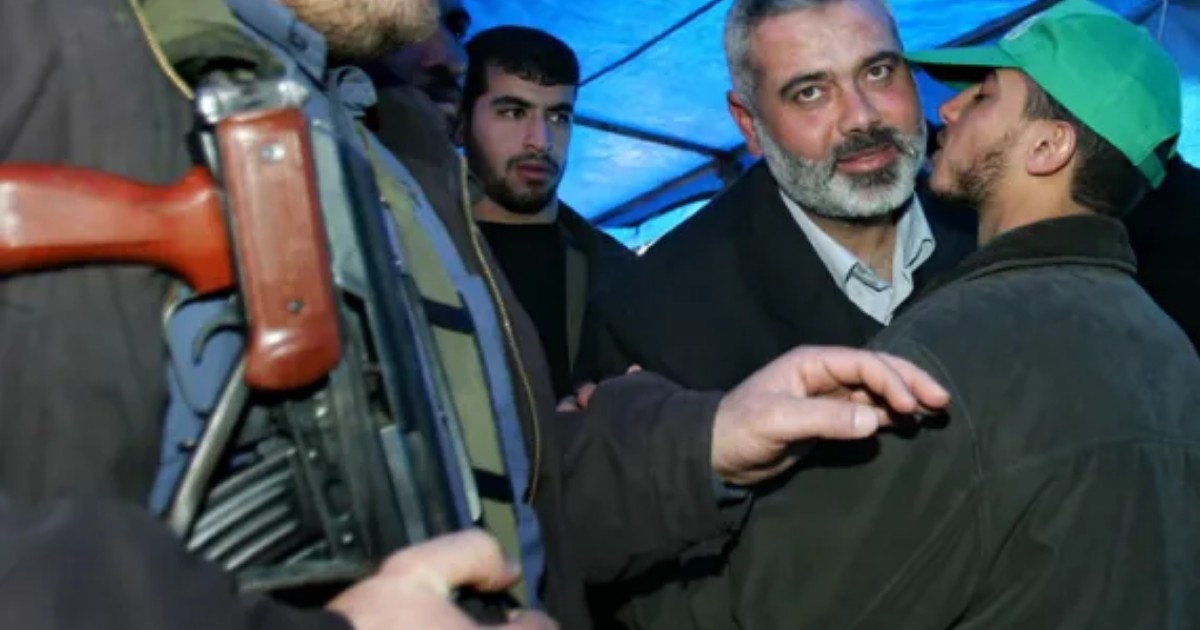
The era of Hamas administration in the Gaza Strip has officially drawn to a close, marking the end of two decades of governance characterized by a suffocating blockade, profound political polarization, and persistent military conflict. With the dissolution of its Government Emergency Committee, the Palestinian group has effectively relinquished its administrative role in the territory. This authority has now been transferred to the newly formed "National Committee for the Administration of Gaza," an entity operating under the internationally backed "Gaza Peace Council." This transition represents a historic pivot for the besieged enclave as it attempts to reorganize its civil and administrative future.
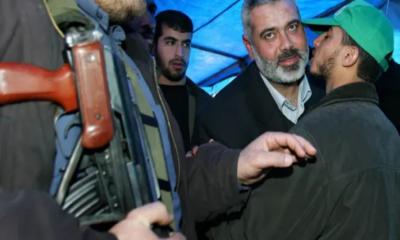
The trajectory of Hamas’s rule began on January 26, 2006, when the movement achieved a decisive victory in the Palestinian parliamentary elections. Securing 76 out of 132 seats, Hamas stunned the international community and displaced the long-dominant Fatah movement. The election saw an unprecedented turnout of nearly 78 percent of the 1.3 million eligible voters. While Hamas leader Ismail Haniyeh attempted to position the group as a pragmatic political movement, the international community responded with skepticism and immediate isolation, setting the stage for decades of geopolitical tension.
The international rejection of the election results was swift. By the first half of 2006, Israel had implemented a severe economic and security blockade, which crippled Gaza`s manufacturing base and forced a majority of the population to rely on external aid. The situation devolved into factional warfare, culminating in Hamas taking full military and political control of the Gaza Strip by June 14, 2007. The subsequent dissolution of the unity government by President Mahmoud Abbas and the tightening of Israel`s land, sea, and air blockade turned Gaza into one of the most isolated territories in the world.
Over the following years, Hamas sought various administrative arrangements to manage the enclave`s affairs amidst repeated military offensives in 2008, 2012, and 2014. Mohammad Al-Aila, a Palestinian political researcher, notes that Hamas’s willingness to cede administrative authority was not merely a reaction to recent events. The group had previously indicated a readiness to share power, demonstrated by its support for general Palestinian elections and its participation in the 2022 reconciliation accord in Algiers. The group eventually recognized that the burden of sole governance in a besieged territory was unsustainable without a broad national consensus.
Everything shifted following the outbreak of war in October 2023. As Israel launched a massive military campaign, the Hamas-led administration activated a central operations room, forming the "Government Emergency Committee" to manage essential services like hospital operations, displacement shelters, and water supply. However, Israel pursued a strategy of systematic targeting, aiming to dismantle Gaza’s administrative cadres. The assassination of key figures, including Ismail Haniyeh in Tehran and Issam al-Da’alis, the head of the Government Action Follow-up Committee, in 2025, significantly weakened the local governance infrastructure.
Al-Aila argues that this targeting was deliberate, intended to create an "administrative void" that would leave Gaza susceptible to internationally imposed alternative arrangements. The institutional chaos caused by these strikes made the concept of a technocratic administration more palatable to the international community. Consequently, by January 2026, the White House-approved transitional structure, including the "Gaza Peace Council" and the technocratic "National Committee for the Administration of Gaza" headed by Ali Shaath, was ready to assume control.
On July 6, 2026, the official dissolution of the Emergency Committee was announced outside Al-Aqsa Martyrs Hospital. While Israeli officials have expressed skepticism—with Foreign Minister Gideon Saar dismissing the move as a "trick" akin to the "Hezbollah model" where a government exists in name only while the military remains empowered—the transition is already underway. Approximately 45,000 existing civil servants across health, education, and security sectors are expected to remain in their positions to ensure essential services are not disrupted.
The success of the new National Committee, however, is far from guaranteed. Al-Aila warns that any attempt to replace the existing bureaucratic workforce—which holds years of vital institutional memory and professional experience—would lead to paralysis and further social unrest. While the committee is presented as a non-political entity, its formation under US auspices suggests specific political objectives. The ultimate viability of this administration depends on its ability to build consensus and maintain the trust of Gaza’s families, civil society, and the various political forces that remain active in the territory. As the dust settles on two decades of Hamas rule, Gaza faces an uncertain future defined by the need for national reconciliation and stability.