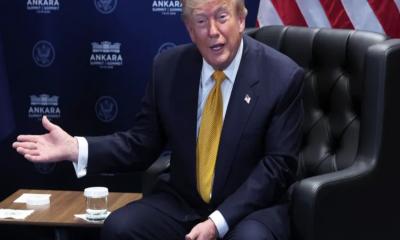
Tensions in the Strait of Hormuz have reached a critical breaking point following a series of drone attacks that have sparked an angry response from United States President Donald Trump. While attending the NATO summit in Ankara, Turkey, Trump declared the memorandum of understanding (MoU) signed last month between Washington and Tehran to be effectively defunct. Trump used harsh rhetoric against Iranian leadership following reports that several commercial vessels were struck by drones while transiting the vital waterway.
On Wednesday morning, the US military launched a significant retaliatory strike against targets in southern Iran. President Trump claimed the US response was twenty times more powerful than the initial Iranian strikes. In response, the Islamic Revolutionary Guard Corps (IRGC) and the Iranian army launched projectiles toward targets in Bahrain and Kuwait, while also reportedly downing a US military drone. Iran’s Ministry of Foreign Affairs condemned the US actions as a blatant violation of the MoU, which included provisions for the cessation of military operations across all fronts.
At the heart of the escalating conflict is a fundamental disagreement over the interpretation of the Strait of Hormuz`s administration. Iran maintains that the MoU grants Tehran the authority to manage traffic through the strait, citing the need for regional security and sovereignty. Conversely, the United States insists that Iran’s responsibility is solely to ensure the safe passage of commercial vessels without interfering with international transit rights or imposing its own veto over who uses the waterway.
Iranian officials, including members of the hardline-dominated parliament, have doubled down on their stance. Ebrahim Azizi, a spokesman for the Commission on National Security and Foreign Policy, recently emphasized the need for a new Iranian-led order in the region. Meanwhile, advisers to the Iranian negotiation team have suggested that Tehran will continue to seek assurances that territorial waters near the strait will not be utilized for military operations directed against Iran, potentially involving inspections of transit vessels.
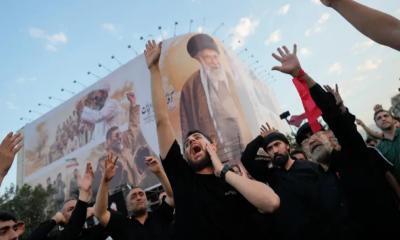
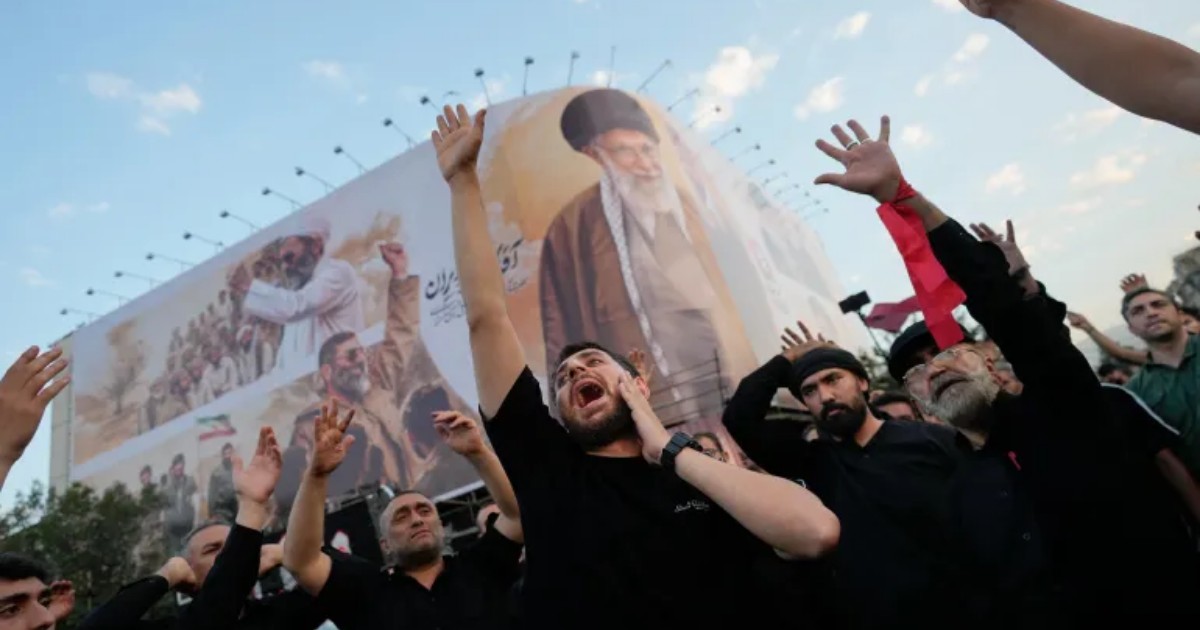
Iranian President Masoud Pezeshkian has faced significant domestic pressure, with hardliners calling the ongoing conflict proof that engaging in negotiations with the United States is futile. Despite this, the administration remains in a precarious position, balancing external pressures and internal demands for vengeance following the death of Supreme Leader Ali Khamenei. As funeral processions conclude, Iranian leadership continues to assert that the country will stand firmly for its rights, while the United States signals that it remains prepared for further military escalation if transit through the Strait of Hormuz continues to be obstructed. With regional powers preparing for potential war, the window for a negotiated settlement appears to be closing rapidly.