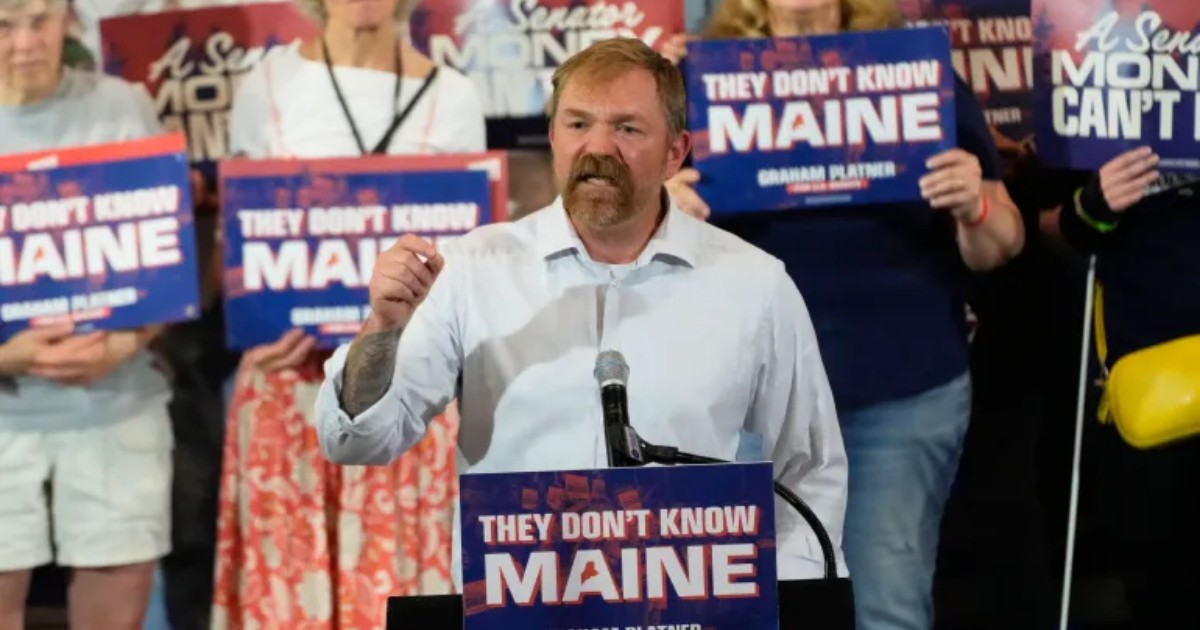
Democratic nominee Graham Platner has announced his withdrawal from the United States Senate race in Maine following serious sexual assault allegations made by a former partner. The controversy has deeply impacted the Maine Senate contest, a race that the Democratic Party identified as a critical battleground in their efforts to flip seats and overturn the current Republican Senate majority. The news has sent the party into a scramble, as they now face the urgent task of selecting a viable replacement before the state-mandated deadline.
The current composition of the Senate stands at 53 Republicans to 47 Democrats. To secure a majority, the Democratic Party must win key swing seats across the country, and Maine has long been considered one of their most promising opportunities. The party hoped to unseat five-term Republican Senator Susan Collins, who remains a formidable incumbent. Platner`s departure now forces the Democrats to reconsider their electoral strategy for the state, with analysts suggesting that the Republican campaign has gained significant leverage as a result of the leadership vacuum.
Platner, a 41-year-old military veteran and oyster farmer, had framed his campaign as an anti-establishment outsider movement. He gained national attention by positioning himself against what he described as a corrupt political system, securing endorsements from high-profile progressives like Senators Bernie Sanders and Elizabeth Warren. Despite his rapid rise in popularity among young voters, his candidacy was frequently marred by controversy. Previous reports concerning offensive social media posts and allegations of abusive behavior had already clouded his political trajectory before the latest assault allegations were published by Politico.
In response to the report, Platner categorically denied the accusation and asserted that his decision to step aside was not an admission of guilt. Instead, he claimed that the Democratic establishment was undermining his campaign. In a video statement, he characterized his exit as a response to party structures that he alleged were working against his insurgent candidacy. He urged his supporters to ensure that the process of selecting a replacement remains democratic, reflecting the same grassroots rhetoric he utilized during his primary run.
The Democratic Party now faces a logistical and political crisis as they move to nominate a new candidate. According to state election rules, the party must submit a candidate`s name by July 27. The state committee has scheduled a convention within the next two weeks to choose a replacement. Former state Senator Troy Jackson and local business owner Dan Keblan have already declared their interest in the nomination. The party’s ability to consolidate support around a new candidate will be tested, especially given the existing rifts between the progressive and moderate factions of the Maine Democratic base. As the midterms approach, the party must now act quickly to stabilize their campaign or risk losing one of their most crucial Senate opportunities.