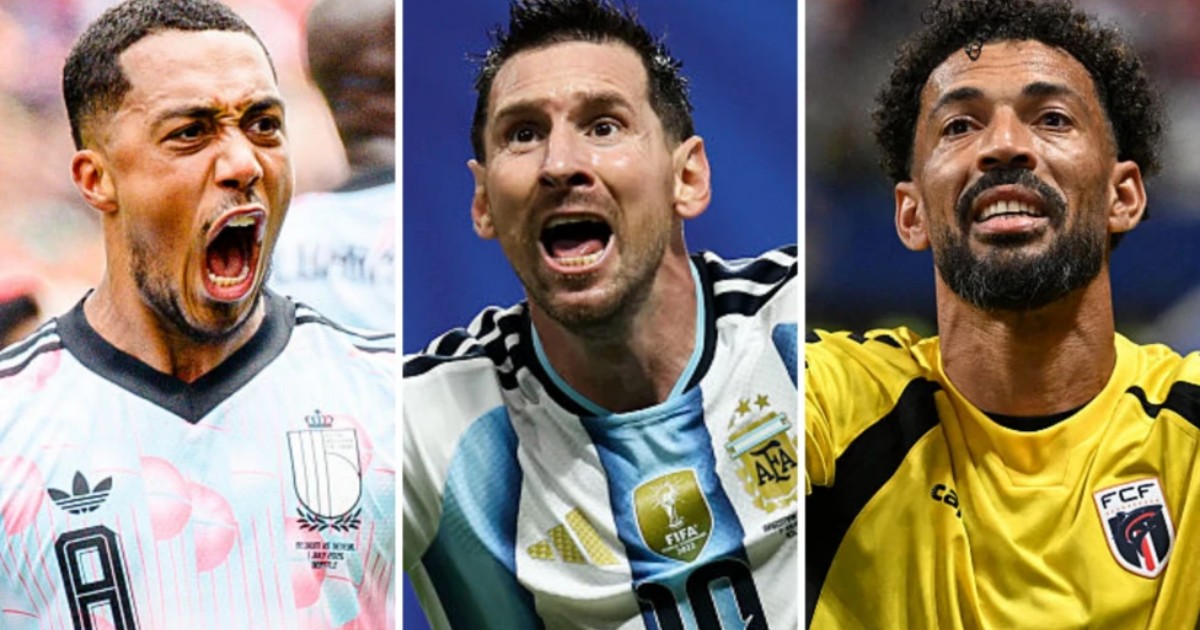
The 2026 World Cup, hosted across Canada, Mexico, and the United States, is currently setting a standard for football excellence that may rival any previous tournament. Featuring 48 nations for the first time in history, this 23rd edition of the competition has delivered a non-stop festival of goals, late drama, and stunning upsets. With the quarter-finals set to begin, fans and analysts alike are debating whether this could be the best World Cup ever played. While the answer remains subjective, the data suggests that this tournament is statistically superior on the pitch.
In the 96 matches played so far, there have been 280 goals, averaging 2.92 goals per game. This is the highest scoring rate since the 1970 World Cup in Mexico, where 32 matches produced 95 goals, averaging 2.97 per game. By comparison, recent tournaments in Qatar, Russia, and Brazil saw significantly lower goal averages. The attacking nature of the football in North America is evident in the fact that 74.6 percent of all goals have come from open play, a record-high proportion. Conversely, only 5 percent of goals have come from penalties, which is the lowest percentage on record, signaling that teams are actively playing for victory rather than relying on set-piece luck.
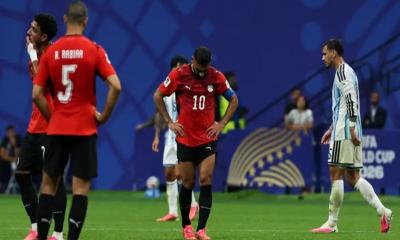
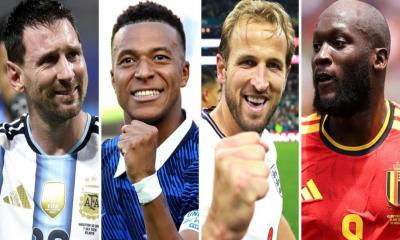
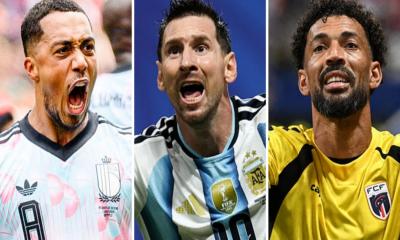
The drama of the tournament has been amplified by an unprecedented number of late goals. In the 24 knockout ties completed, eight have seen a winning goal scored after the 85th minute. Furthermore, there have already been 10 winning goals scored in the 90th minute, establishing a new World Cup record. The matches featuring Argentina, Belgium, and England have been particularly iconic, showcasing extraordinary comebacks that have kept global audiences glued to their screens. England`s victory against Mexico, achieved while playing with 10 men for 40 minutes, will go down as one of the most intense tactical battles of the tournament.
Interestingly, there have been eight goalless draws in this tournament, which is another World Cup record. While some might view this as a negative, it reflects the intense competitive balance of the 48-team format. Mid-tier nations are defending with discipline and organization, forcing the giants of world football to work harder than ever for every goal. The tactical evolution of the game, combined with the electric atmosphere in the stadiums, has created a unique narrative for this World Cup.
With only eight matches remaining, the tournament is reaching its climax. The blend of high-scoring thrillers and cagey, tactically demanding draws has provided a comprehensive test for every participating nation. Whether the 2026 World Cup eventually surpasses the 1970 or 1986 editions in the eyes of history remains to be seen, but the intensity and unpredictability displayed so far suggest that this tournament will be remembered as a significant milestone in football history.