The conflict between Iran and the United States has escalated dramatically, with the Islamic Revolutionary Guard Corps (IRGC) launching a series of retaliatory missile strikes against US military bases across the Middle East. The move comes as a direct response to recent US military operations within Iranian territory. According to official statements from the IRGC, the strikes specifically targeted strategic US installations and military bases located in Kuwait and Bahrain. Additionally, ten ballistic missiles were reportedly fired at the Azraq military base in Jordan.
State media in Jordan reported that their air defense systems successfully intercepted eight of the incoming missiles. While authorities confirmed that there were no reported casualties or significant damage, the direct targeting of these facilities marks a severe turn in regional hostilities. The strike demonstrates the reach of Iran`s missile capabilities and underscores the vulnerability of US assets stationed in the region.
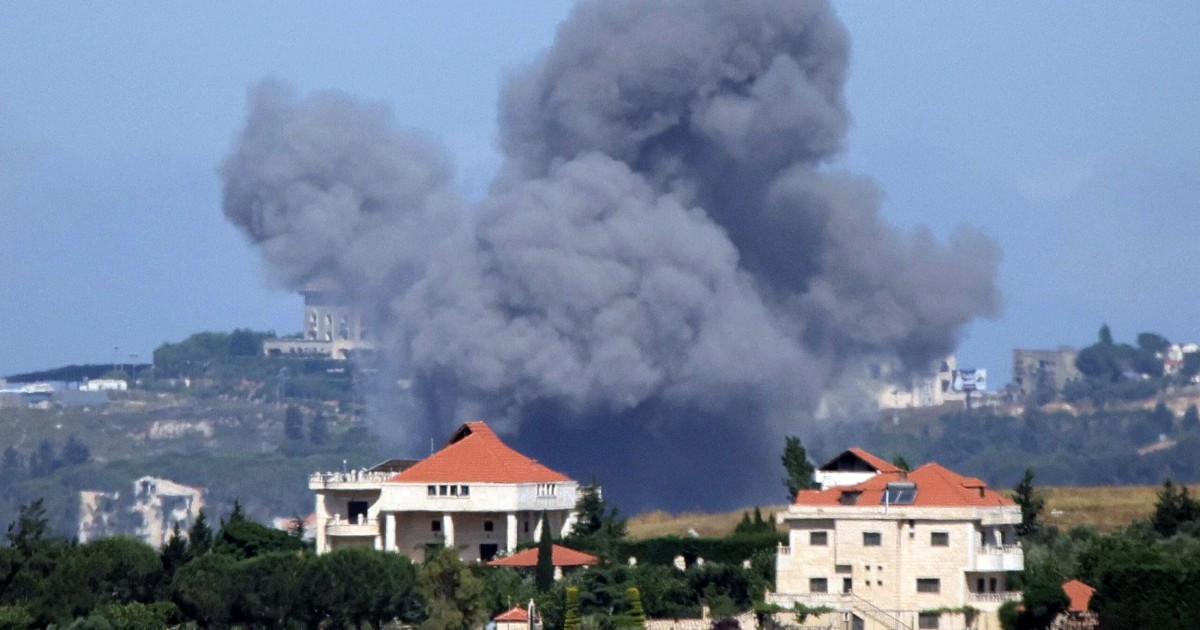
Simultaneously, Iranian officials have accused US forces of striking the Bushehr nuclear power plant, the country`s sole civilian nuclear facility. Reports from the state news agency, IRNA, allege that American missiles struck the perimeter of the nuclear site. However, Iranian authorities were quick to emphasize that the nuclear reactor and critical infrastructure remain intact, asserting that the facility is secure.
The deputy governor of Bushehr, Ehsan Jahanian, confirmed that these US strikes occurred only hours after the United States Central Command (Centcom) had announced a cessation of military operations against Iran. According to Fars News, residents in the Choghadak area, situated approximately 20 kilometers from the nuclear plant, reported hearing loud explosions. Jahanian further alleged that, in addition to the nuclear facility, US forces targeted a military base and a fishing pier in the southern part of the province. There have been no confirmed reports of casualties resulting from these specific attacks.
The United States has not yet provided an official response to Iran’s retaliatory strikes. Previously, on Thursday, US Central Command issued a statement claiming that on Wednesday night, they had targeted more than 90 locations during a second wave of operations. The military leadership stated that these strikes were aimed at dismantling Iran’s air defense systems, missile and drone launch sites, and coastal surveillance infrastructure.
The situation in the Middle East has now reached a critical juncture. With both nations exchanging direct fire, the risk of a broader, protracted regional war has intensified significantly. International observers are monitoring the situation closely as the potential for further escalation remains high. There is currently no clear path toward de-escalation, as both Washington and Tehran appear focused on demonstrating military strength rather than pursuing diplomatic resolution. As the crisis deepens, the civilian population in the affected regions faces growing uncertainty and fear regarding the next phase of this intensifying confrontation.