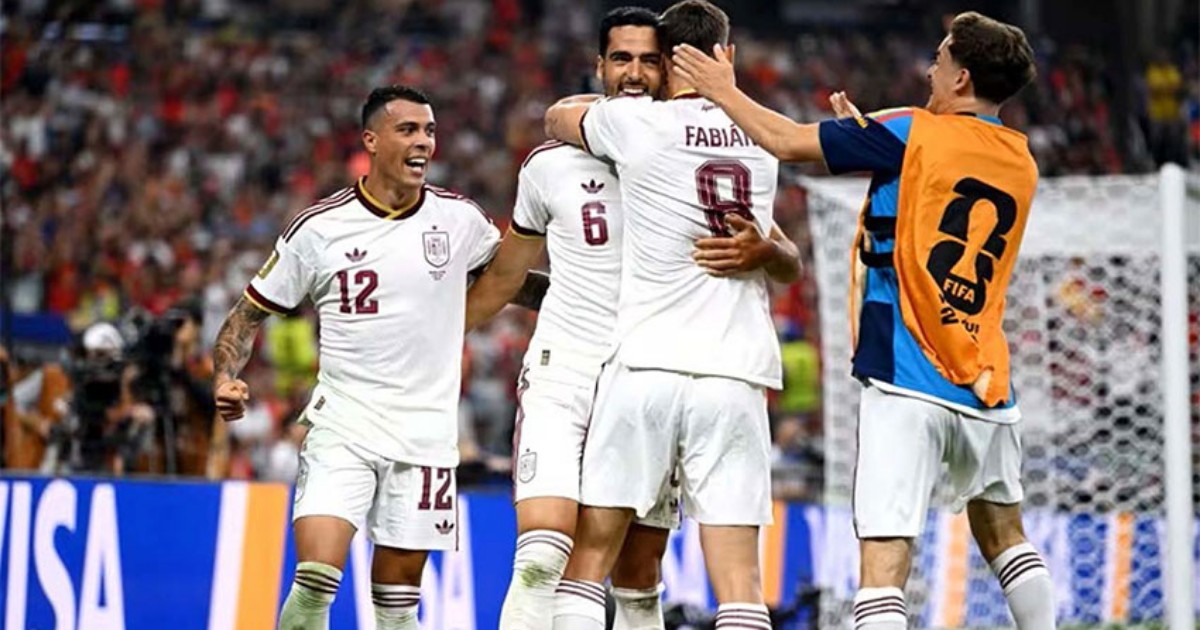
Ahead of their critical World Cup 2026 quarterfinal showdown against France, Morocco is increasingly viewed not just as a tournament underdog, but as an emerging powerhouse of world football. This transformation is the result of years of meticulous planning, significant financial investment, and a strategic embrace of their global diaspora. Neil Ward, a British football executive who served as director of technical operations at the Royal Moroccan Football Federation from 2020 to 2024, describes the country’s rise as a deliberate product of national ambition.
The Moroccan government, backed by the direct support of King Mohammed VI, has funneled substantial resources into football infrastructure. This includes the construction of a world-class national academy, high-end regional training centers, and the redevelopment of stadiums across the country. Ward notes that these facilities are designed to mirror the professional standards found in top-tier European clubs, ensuring that players returning from international leagues feel a sense of professional continuity. This level of seriousness has changed the internal perception of the national team, shifting expectations from mere participation to genuine contention.
Central to Morocco’s recent success is their sophisticated talent identification network, which spans across France, the Netherlands, Germany, Spain, and Scandinavia. Simon Jennings, who oversaw youth development for Morocco, explains that the federation invests heavily in scouting players with Moroccan roots at a young age. Unlike many nations that struggle to integrate dual-national players, the Moroccan setup fosters a profound sense of national identity. Players born abroad often express an intense emotional connection to the Moroccan shirt, which translates into the grit and determination seen on the pitch during matches.
The current quarterfinal against France carries deep resonance, as several members of the Moroccan squad have historical or developmental ties to the French football system. This blend of European tactical training and Moroccan national passion has created a unique hybrid style of play. Experts argue that this approach has allowed Morocco to bridge the gap between regional success and global competitiveness. The federation’s strategy of leaving "no stone unturned" when identifying talent—from Barcelona’s academy products to local stars—has built a deep pool of competitive players.
This project is part of a larger national vision. Beyond football, the Moroccan government has pledged billions to health and education, signaling a broader effort to modernize infrastructure. However, it is through football that Morocco is currently exerting its soft power on the international stage. Whether they advance to the semifinals or not, the Atlas Lions have already demonstrated that they possess the blueprint to sustain a high-level program. Their journey serves as a case study for developing nations aiming to disrupt the established dominance of traditional football powers.