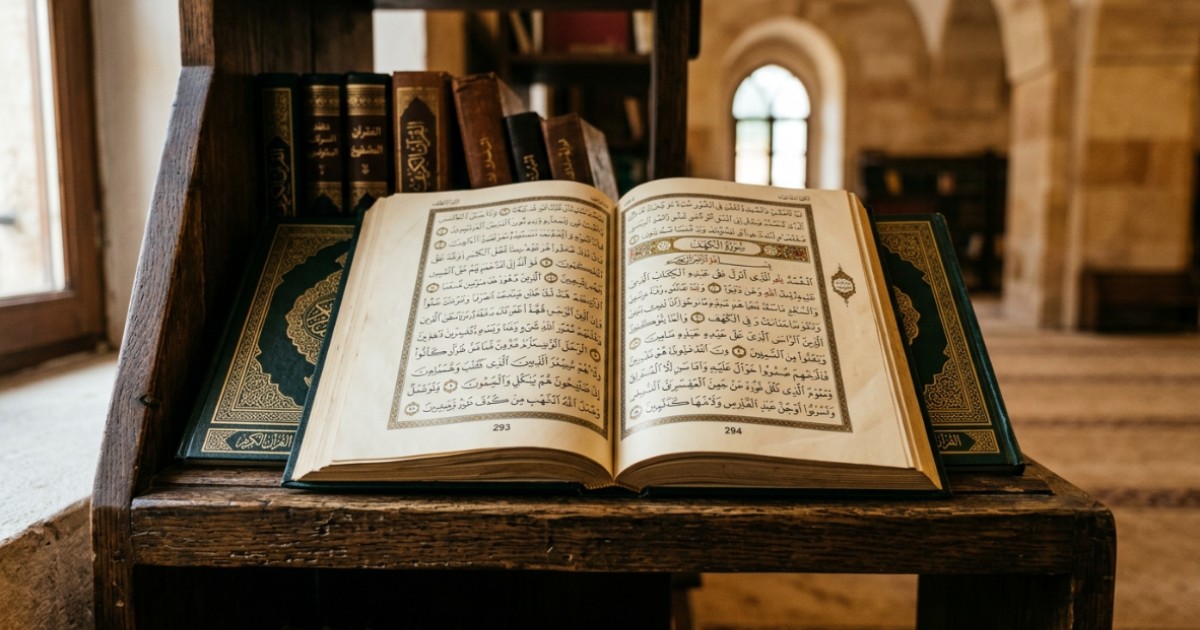
Islamic scholars and researchers in Mecca published an analytical review on Friday regarding the continuous rulings on missing the recitation of Surah Al-Kahf on Fridays, according to the Saudi Press Agency. The practice of reciting this specific chapter remains one of the most encouraged voluntary acts of worship for Muslims due to its immense spiritual rewards. However, individual believers frequently miss this weekly practice due to sudden personal pre-occupations or simple forgetfulness during a hectic schedule. Consequently, numerous questions arise within the global Muslim community regarding the validity of the specific rewards if completed outside the designated timeframe.
The primary textual basis for this voluntary practice originates from traditional narrations attributed to the companion Abu Sa`id al-Khudri, who stated that whoever recites Surah Al-Kahf on the day of Jumu`ah will have a light shining for him between the two Fridays. These narrations are recorded in classical compilations such as Mustadrak al-Hakim and Sunan al-Bayhaqi, and were later authenticated by modern traditionists including Sheikh al-Albani. Nevertheless, historic differences regarding the precise grading of these chains exist among classical Islamic scholars. Renowned chronicler Imam al-Dhahabi raised specific academic objections regarding a transmitter named Nu`aym ibn Hammad, challenging the absolute authenticity of the direct attribution.
Leading authorities such as Imam al-Nasa`i and Imam al-Bayhaqi concluded that the more accurate transmission classifies the text as a statement of the companion rather than a direct prophetic saying. Sheikh Abdul Aziz bin Baz reviewed these distinct chains collectively and issued a formal ruling declaring the practice highly recommended and spiritually beneficial. Legal scholars also maintain different interpretations regarding the exact definition of a Friday within Islamic jurisprudence. One group of jurists argues that the day encompasses the entire period from Thursday sunset until Friday sunset, allowing believers to complete the recitation during Thursday night.
Conversely, prominent jurist Sheikh Muhammad bin Saleh al-Uthaymeen explained that the primary legal definition of a day refers strictly to the period from dawn until sunset. Due to this variation, a segment of scholars maintains a cautious position regarding whether reciting the text on Thursday night fulfills the specific virtues. However, jurists maintain absolute consensus that the designated window for these rewards closes permanently with the evening call to prayer on Friday. Reciting Surah Al-Kahf after sunset still yields the general rewards of reading the Holy Quran, but the specific Jumu`ah blessings no longer apply.
What remains unclear is whether individuals who maintain a consistent habit of this recitation receive equal rewards if a legitimate emergency prevents them from completing it. Because this weekly practice is classified as a recommended act rather than an obligatory duty, missing it does not constitute a sin or administrative infraction. Scholars suggest that the most secure method to avoid missing the window is to complete the recitation immediately following the dawn prayers on Friday morning. Adhering to this structured spiritual routine protects the believer from unexpected distractions and ensures full compliance with the established prophetic tradition.
Additional authentic traditions confirm that memorizing or reciting the opening ten verses of this chapter provides spiritual protection against the trials of the end times. Therefore, the consistent practice of reading the text functions both as a source of divine light and a protective shield for personal faith. Islamic institutions continue to encourage the global public to preserve these weekly habits within the specified boundaries to maximize their spiritual development. The editorial board at Ummah Kantho remains dedicated to providing verified religious insights to help readers implement authentic prophetic practices accurately in their daily lives.