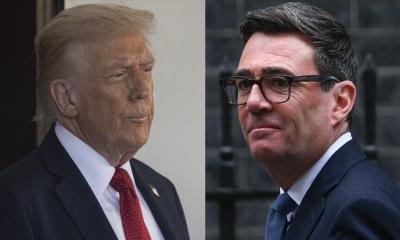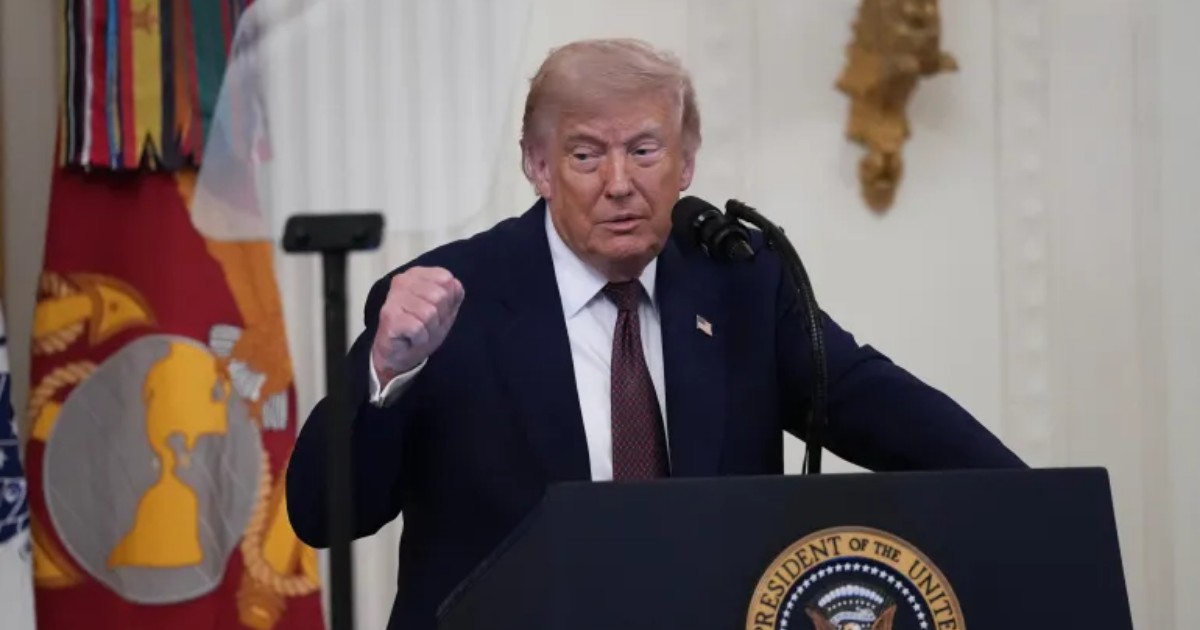
United States President Donald Trump strongly criticized opponents of the U.S.-Iran memorandum of understanding in Washington on Friday, characterizing the agreement to end the war as an unconditional surrender by Tehran, according to Al Jazeera. The electronic signing of the 14-point framework on Wednesday aimed to halt the intense conflict launched by the United States and Israel on February 28. However, the diplomatic breakthrough faced immediate complications after U.S. Vice President JD Vance delayed a planned trip to Switzerland for technical-level negotiations. This sudden disruption has raised serious concerns about the longevity of the ceasefire agreement, especially as ongoing Israeli military strikes in Lebanon continue to destabilize the region.
In a series of consecutive posts on his social media platform Truth Social, Trump fiercely rejected criticism from both Democrats and hawkish members of his own political party. Opponents of the agreement argued that the memorandum primarily addresses issues that were directly created by the four-month conflict itself, such as lifting the naval blockade on Iranian ports. They also criticized the reopening of the strategic Strait of Hormuz and the provisions requiring an immediate cessation of hostilities on all regional fronts. Trump dismissed these arguments by asserting that consecutive American attacks had severely degraded the primary structural capabilities of the Iranian air force and navy.
During an on-camera interview with Axios News, Trump declared that the current government in Tehran entered the diplomatic process out of sheer economic and military desperation. He claimed that the external military pressure had left the Islamic Republic effectively finished and unable to sustain any prolonged resistance. The president emphasized that the administration would play out the designated 60-day negotiation period to finalize the technical terms of the agreement. This upcoming phase is scheduled to address highly sensitive matters including Iran`s nuclear program, the release of frozen financial assets, and the formal implementation of a multi-billion dollar reconstruction plan.
The domestic political backlash has intensified as prominent Republican lawmakers publicly broke ranks with the administration over the comprehensive nature of the diplomatic concessions. Senator Tom Cotton, the chairman of the Senate Intelligence Committee, explicitly condemned the immediate issuance of sanctions waivers for Iran`s fossil fuel industry. Senator Roger Wicker similarly targeted the proposed 300 billion dollar post-war reconstruction fund and the commitment to enforce a ceasefire within Lebanon. Trump countered these domestic critics by clarifying that the extensive reconstruction fund would be financed entirely by regional partners rather than American taxpayers.
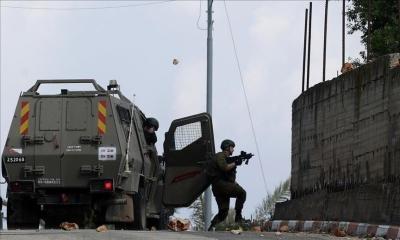
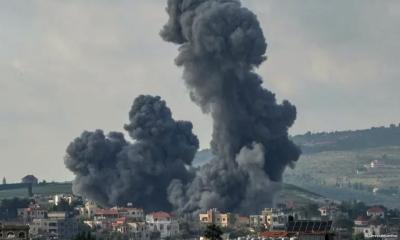
What remains unclear is whether the fragile diplomatic framework can survive the escalating military confrontation between Israeli forces and Hezbollah along the Lebanese border. Iranian officials have consistently maintained that they will refuse to sign any final treaty while allied territories remain under active bombardment. Many international foreign policy strategists believe that the ultimate success of the memorandum depends on Washington`s willingness to restrain the military actions of its closest regional ally. Global observers and legal experts are closely monitoring the upcoming diplomatic sessions to see if the transitional framework will lead to a permanent settlement.