A historic US-Iran deal has been reached to bring an immediate halt to the devastating conflict in the Middle East. The United States signed a preliminary memorandum of understanding with Iran on Wednesday at the Palace of Versailles to end hostilities and reopen the vital Strait of Hormuz, Reuters reported. The signing took place during a dinner hosted by French President Emmanuel Macron following the G7 summit. Long-standing diplomatic negotiations mediated by regional partners paved the way for this high-stakes breakthrough between the two adversaries.
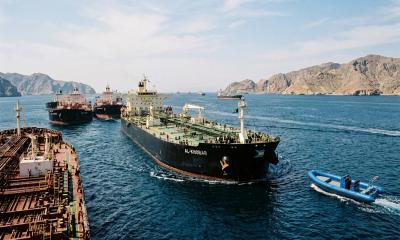
Under the terms of this milestone US-Iran deal, both Washington and Tehran have committed to a 60-day negotiating window to secure a final and lasting peace treaty. This transitional timeline can be extended through mutual consent, although US President Donald Trump noted to reporters that final tracking could potentially take longer. The most immediate breakthrough centers on the critical maritime corridor of the Strait of Hormuz, which normally carries about 20 percent of the world`s crude oil supply. The reopening is anticipated to quickly stabilize international energy markets and lower global oil prices.
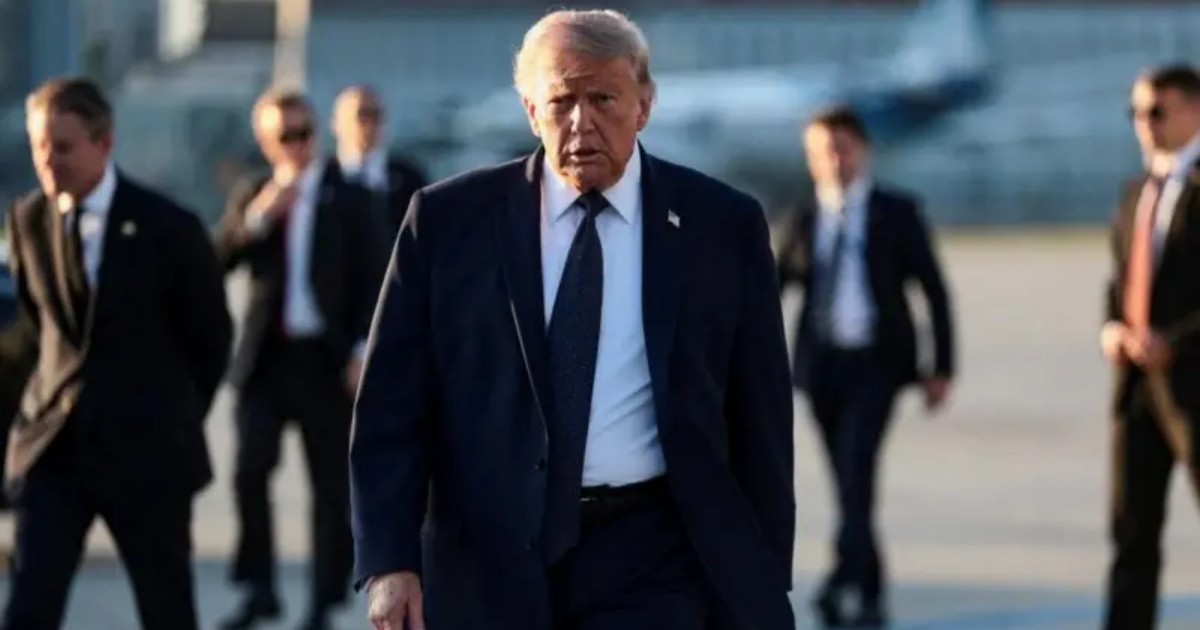
As part of the initial de-escalation steps, the United States has authorized the immediate removal of its naval blockade on Iranian ports, with plans to dismantle it fully within 30 days. Simultaneously, the US Department of the Treasury issued waivers allowing Iran to export crude oil, petroleum products, and access associated international banking and transportation services. The preliminary document also references a proposed 300 billion dollar international investment fund dedicated to Iran`s economic development and post-war reconstruction. However, President Trump strongly clarified during the G7 summit in France that the United States government will not contribute a single cent to this fund, suggesting it would instead be driven by global private investments and regional coalitions.
Despite the landmark diplomatic progress of this preliminary US-Iran deal, profound historical distrust remains between the two adversaries, and both leaderships have issued stark warnings that military actions could instantly resume. President Trump publicly warned that the United States would react aggressively with heavy airstrikes if Tehran fails to honor every single provision of the agreement. Mirroring this tension, Iranian Parliament Speaker Mohammad Bagher Ghalibaf declared to state media that Iran maintains zero trust in Washington and emphasized that their military forces keep their fingers on the trigger. What remains unclear is whether the official signing ceremony originally scheduled to take place in Switzerland on Friday will proceed as planned.