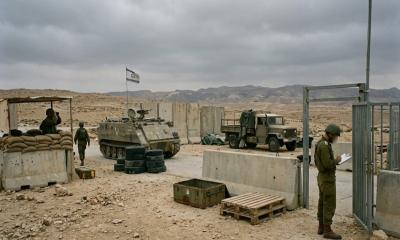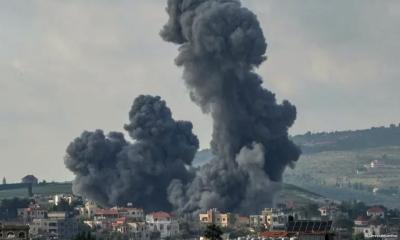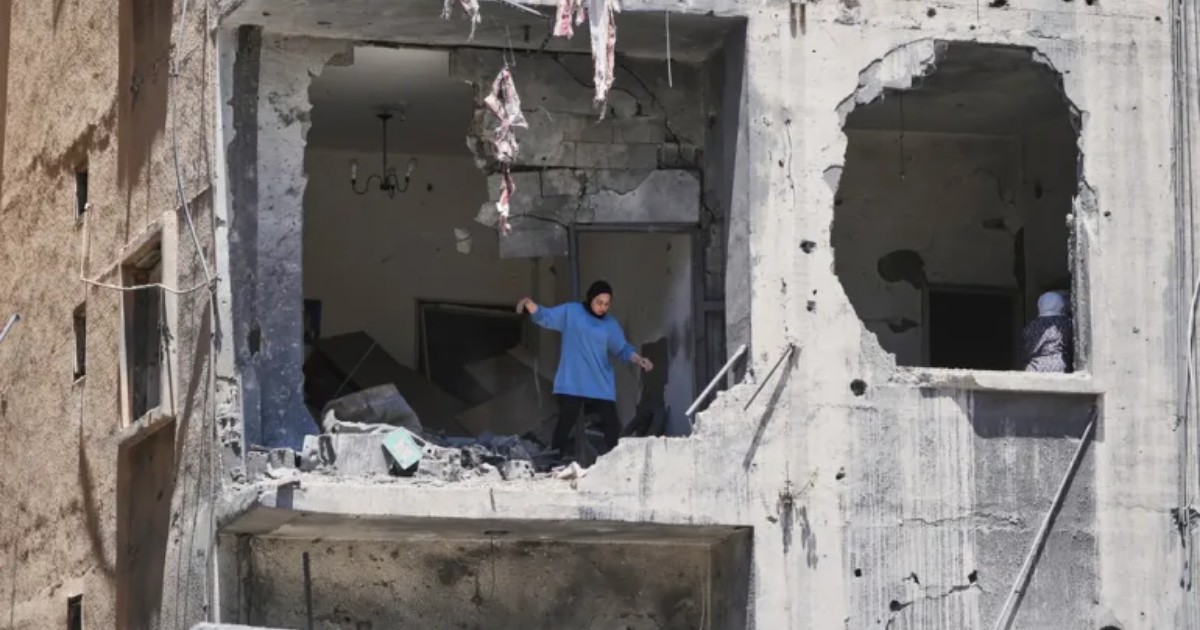
The United States and Iran postponed their scheduled technical ceasefire talks on Friday after intense overnight Israeli airstrikes on Lebanon killed dozens of people, Al Jazeera and the Associated Press reported. The ongoing military actions by Israel directly challenge the newly established memorandum of understanding between Washington and Tehran, which explicitly calls for the permanent termination of military operations on all regional fronts. Despite calls for immediate restraint from international mediators, the Israeli military has continued its deadly ground invasion, successfully capturing and holding nearly 20 percent of Lebanese territory.
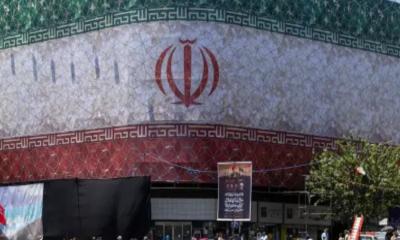
Iranian Supreme Leader Mojtaba Khamenei stated on Thursday that President Masoud Pezeshkian had provided firm assurances regarding the protection of the rights of the Iranian nation and its regional allies during ongoing negotiations. Iranian officials have repeatedly emphasized that they will not finalize any comprehensive diplomatic agreement with the United States while Lebanon remains under active bombardment. Trita Parsi, executive vice president of the Quincy Institute for Responsible Statecraft, explained that Lebanon has consistently represented the greatest vulnerability to this diplomatic initiative because maintaining stability there is a vital priority for the leadership in Tehran.
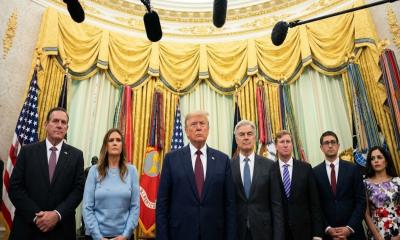
U.S. President Donald Trump publicly expressed his growing frustration with the situation, urging all parties in the Middle East to maintain their commitment to the diplomatic process. In a social media post published on Thursday, Trump emphasized that global financial markets were responding positively to the drop in oil prices and the rise in stock values due to peace prospects. The American president stated that his administration expects a complete and immediate ceasefire on all active fronts, specifically naming Israel, Hezbollah, and Lebanon. However, despite these direct public warnings from Washington, Prime Minister Benjamin Netanyahu has vowed to sustain military operations until Israel`s strategic objectives are achieved.
What remains unclear is whether the Trump administration will eventually leverage its substantial military and financial aid to force the Israeli government to comply with the regional peace framework. Diplomatic sources indicate that the current friction between Washington and Tel Aviv reflects a genuine rift over the future trajectory of the conflict rather than mere political posturing. The Lebanese government has consistently condemned the continuous violation of its national sovereignty and has urged the United Nations Security Council to enforce previous resolutions. Meanwhile, international observers warn that a prolonged escalation could permanently derail the broader U.S.-Iran diplomatic opening and spark a wider regional war.
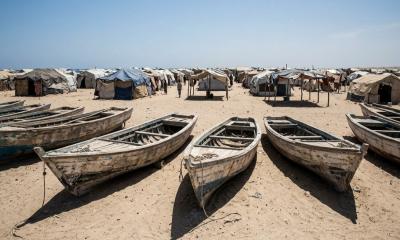
The escalating humanitarian crisis in Lebanon has also drawn sharp criticism from global relief organizations as thousands of civilians continue to flee the targeted port city of Tyre and surrounding southern villages. Economic analysts suggest that if the conflict continues to expand, the initial positive reactions in the global energy markets could quickly reverse, driving oil prices back up. The executive committee at Ummah Kantho continues to monitor these critical geopolitical developments closely, providing verified updates as the diplomatic standoff between the involved nations unfolds.