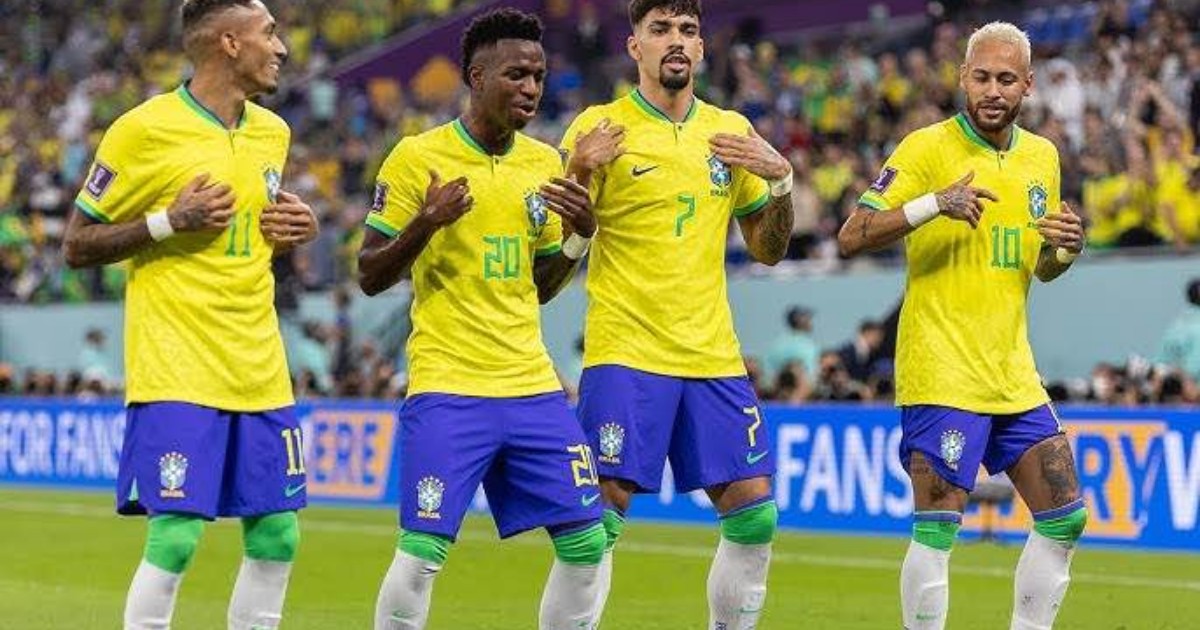
The traditional artistic playing style of the Brazilian national football team has significantly faded over the last two decades, Reuters and Al Jazeera reported in a special review on Friday. Once celebrated across the globe as Brazil Joga Bonito, this aesthetic approach was more than just a tactical formation but represented a core cultural identity for the South American nation. Wearing the iconic yellow jersey while executing spontaneous dances, unexpected dribbles, and smiling attacks defined a golden era of entertainment. Legends like Pele, Garrincha, Zico, Romario, Ronaldo, and Ronaldinho effectively taught the sporting world that football was not merely about securing a victory but was an elegant art form.
However, twenty-four years have passed since the five-time world champions last lifted the prestigious trophy at the 2002 tournament in South Korea and Japan. Although the national team was considered a primary title contender ahead of the 2006, 2010, 2014, 2018, 2022, and recent 2026 iterations, their campaigns consistently concluded in deep disappointment. In 2006, a star-studded squad featuring Ronaldo, Ronaldinho, Kaka, and Adriano suffered an unexpected exit against France before reaching the semi-finals. Subsequent historical upsets, including a devastating 7-1 defeat against Germany on home soil and quarter-final eliminations by Belgium and Croatia, have highlighted this ongoing narrative of unfulfilled potential.
Sports analysts point out that the disappearance of the Brazil Joga Bonito style is heavily driven by fundamental tactical evolutions within modern professional football. The contemporary game relies intensely on high-speed pressing, robust defensive organizations, and strict tactical discipline, making the free-flowing offensive systems of previous decades difficult to execute. Collective team structure has now become far more vital than individual creative flair, leaving limited opportunities for players to display spontaneous personal tricks. Additionally, the grassroots football culture that historically acted as the primary factory for raw Brazilian talent has undergone massive structural changes.
In previous decades, the streets, public beaches, and favelas of major Brazilian cities were filled with youth playing informal matches for hours, which naturally developed their unique dribbling abilities. Rapid urbanization, increasing social safety concerns, and the institutionalization of organized youth academies have significantly diminished that spontaneous street football culture. Today, the most promising young talents are scouted and transferred to European professional clubs at the tender age of 17 or 18. While this early transition ensures they develop exceptional physical fitness and tactical maturity, it often strips away the instinctive creativity inherent to classical Samba football.
What remains unclear is whether the current generation of international stars can ever fully restore that lost artistic essence to the national team`s identity. The current roster certainly does not lack world-class talent, with elite players like Neymar, Vinicius Junior, Rodrygo, and Raphinha regularly achieving major club success in European leagues. Statistically, the national team has secured the Copa America titles in 2007 and 2019, while maintaining impressive offensive data in various international tournaments. Football enthusiasts worldwide continue to watch closely, hoping that the iconic yellow shirts will once again bring back the joyful rhythms of their traditional game.