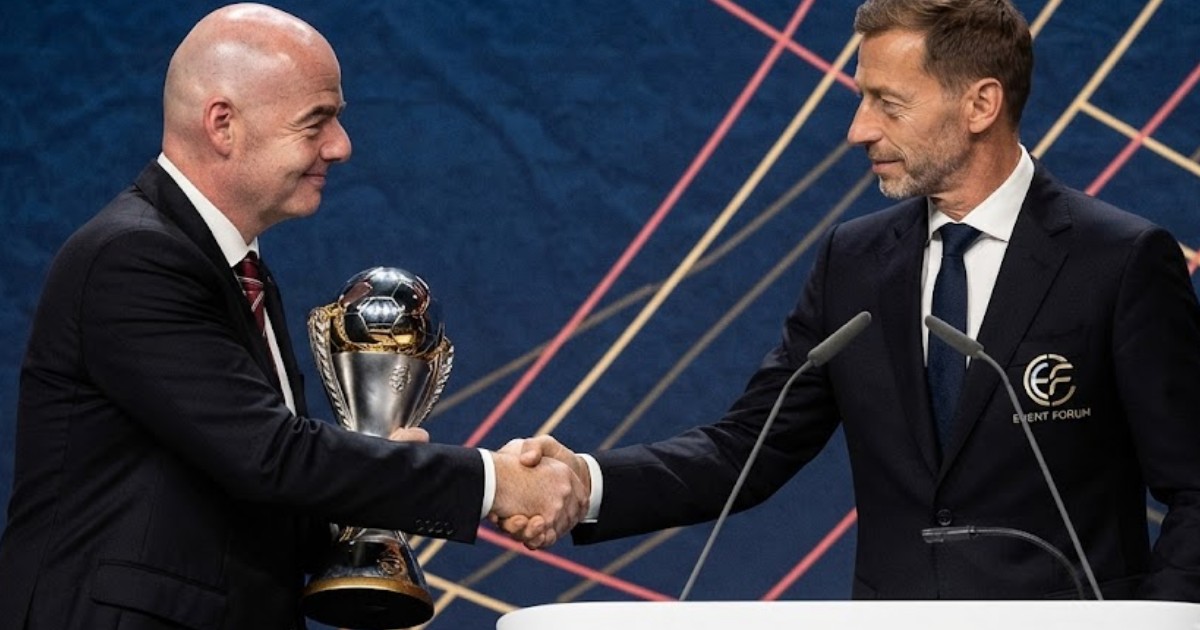
The dust has barely settled on the expanded 48-team tournament, yet the global governing body of football has already stirred a massive controversy. According to Reuters and Al Jazeera, FIFA and its president, Gianni Infantino, are facing severe criticism after unveiling a controversial plan to sell equity stakes in future World Cups and other major events to private investors. While Spain celebrates its triumph after defeating Argentina in the recent final, the shiny trophy is already overshadowed by commercial disputes and institutional backlash from across Europe and beyond.
The debate centres on a newly proposed financial vehicle designed to maximize commercial revenue. FIFA announced plans to create a subsidiary to run future tournaments, aiming to raise billions of dollars through external investors. Although FIFA claims it would retain majority control over sporting governance, match calendars, and regulatory decisions, minority shares would be sold off to external entities. According to reports from Reuters, this move mirrors franchise models seen in other sports, such as the Indian Premier League, which recently saw its valuation soar significantly.
Potential investors have already been lined up, with a United States venture capital firm named Thrive Eternal put forward to lead the proposed investor group. Founded by Joshua Kushner, the firm’s involvement has added further scrutiny regarding transparency and financial motives. FIFA has defended the initiative by stating that all net benefits will be reinvested directly into global football development. Officials argue that increasing the sport`s commercial value is essential to supporting grassroots administration and sustainable growth across every corner of the world.
However, continental and domestic governing bodies have reacted with immediate hostility. UEFA was the first to speak out against the proposals, issuing a stern statement condemning the plan. European football officials declared that governance and the soul of the game are not assets to be traded with zero transparency. They emphasized that football belongs to the global community rather than any single governing body, explicitly stating that it is not FIFA`s property to sell. The sentiment was echoed by high-ranking political figures, including the recently appointed United Kingdom Prime Minister Andy Burnham, who asserted on social media that the World Cup is the greatest competition in sport and should never be commercialized in such a manner.
Further complications arose when regional bodies voiced their discontent. The Confederation of North, Central America and Caribbean Association Football announced that it had received no prior information regarding the proposed equity sale, expressing deep concern over the lack of proper consultation and due process. Fans and stakeholders worldwide have voiced similar anxieties, fearing that privatization will further distance ordinary supporters from the game they cherish. What remains unclear is whether FIFA will proceed with the controversial plan despite mounting international resistance.