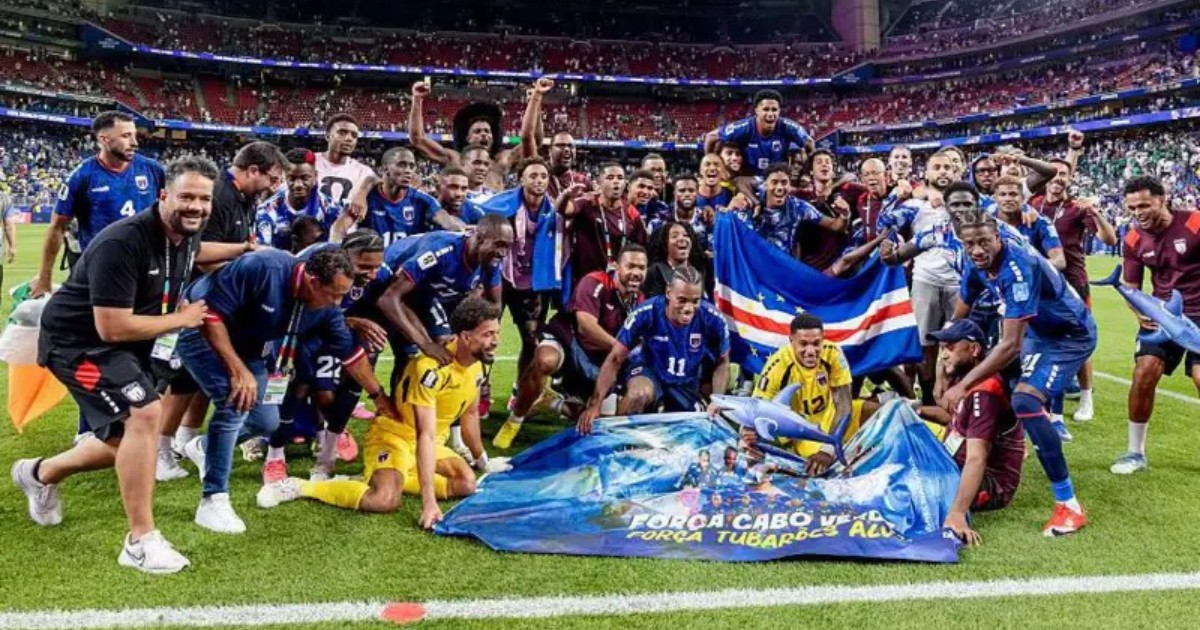
FIFA president Gianni Infantino billed the 2026 World Cup as the biggest event in human history. He compared the scale of the tournament across the United States, Mexico, and Canada to holding 104 Super Bowls in a single month. According to BBC football correspondent Dale Johnson, this bold vision came with significant consequences. While the expansion to 48 teams introduced new nations like Cape Verde and Curacao to the global stage, it also sparked intense debate regarding the quality of the tournament and the integrity of its competitive structure.
The mandatory three-minute hydration breaks served as a lightning rod for criticism. While presented as a player safety measure, many observers argued that the breaks were primarily designed to facilitate additional commercial airtime for broadcasters. Furthermore, the high ticket prices drew backlash from supporters, leading to questions about whether FIFA’s profit-maximization strategy alienated the traditional core of football fans. Political undertones were also pervasive, from visa disputes to direct interventions in refereeing decisions, notably involving the overturning of Florian Balogun’s red card.
The introduction of new seeding policies represented a fundamental shift in tournament management. FIFA aimed to prevent top-ranked nations such as Argentina, England, France, and Spain from facing each other in the early knockout stages. To execute this, officials swapped teams between groups, effectively creating a path designed to ensure the highest-profile teams reached the latter stages. Critics suggest this artificial balancing removed the randomness that makes the World Cup exciting, prioritizing commercial outcomes over sporting merit.
Despite these controversies, the group stage was salvaged by the inspiring performances of underdog nations. Cape Verde, representing an Atlantic archipelago of just over 500,000 people, became the emotional heart of the tournament. Their ability to hold Spain and Uruguay to draws demonstrated that expanding the tournament provided a platform for nations that would otherwise have been excluded. Without this expansion, the heroic efforts of players like the 40-year-old goalkeeper Vozinha would likely have gone unnoticed on the global stage.
However, the structural issues remained evident. The sheer volume of matches—72 games resulting in the elimination of only 16 teams—created a bloated group stage where many matches lacked urgency. FIFA’s reliance on head-to-head records over goal difference as a tie-breaker incentivized defensive caution, leading to games where draws served the interests of both parties. While the 2026 World Cup succeeded in its mission to bring the sport to a wider audience, it has forced FIFA to confront the trade-offs between global expansion and the preservation of competitive intensity. The long-term impact of these changes on football remains a subject of intense scrutiny as the game moves forward into a new era.