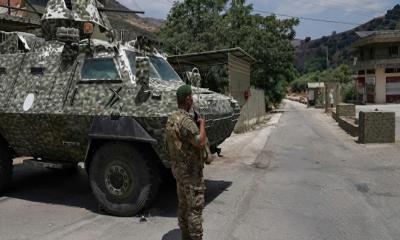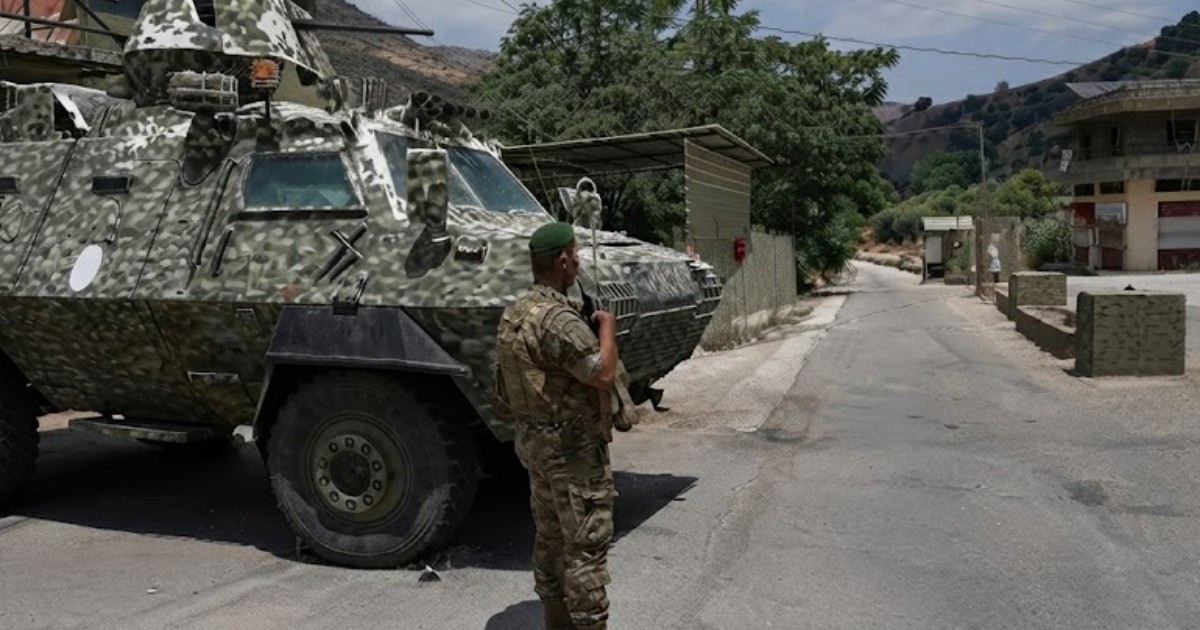
The Lebanese army is preparing to take charge of security in three villages in southern Lebanon as part of a pilot zone initiative. According to the United States, the villages of Froun, Srifa, and Zawtar al-Gharbiya have been selected to trial the implementation of a US-mediated framework agreement signed between Lebanon and Israel. This move represents a critical test for the deal, which aims to transition security responsibilities to local forces.
Under the agreed-upon plan, the Israeli military is scheduled to perform a phased retreat from the locations it currently occupies in the southern part of the country. Once the withdrawal is completed, the Lebanese military is tasked with assuming security control and overseeing the disarmament of Hezbollah. The US State Department described this milestone as a direct outcome of negotiations held in Rome last week. Both nations formally agreed to the framework on June 26 following six rounds of face-to-face talks.
However, challenges remain regarding the execution of this plan. Hezbollah, which receives backing from Iran, has rejected the agreement, demanding that Israel withdraw from Lebanese territory unconditionally. Israel maintains that it will keep a presence 10 kilometers inside Lebanon, referring to it as a security zone, for as long as Hezbollah remains armed. This fundamental disagreement continues to complicate the withdrawal timeline.
Ground reports from the selected villages suggest that the transition is not yet proceeding as planned. A security source informed Al Jazeera that the Lebanese army has been unable to deploy to Zawtar al-Gharbiya because Israeli forces have not yet vacated the outskirts of the town. Similarly, local mayors in Froun and Srifa stated that they have observed no significant developments on the ground, noting that the presence of the Lebanese army has remained consistent throughout the recent months of conflict.
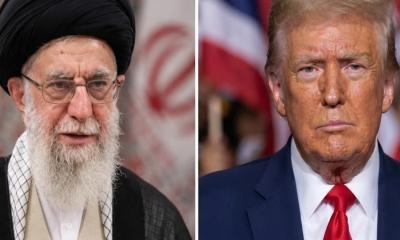
The fighting, which intensified in March following the killing of Iran’s Supreme Leader Ali Khamenei, has resulted in a devastating humanitarian toll. According to Lebanon`s Ministry of Public Health, 4,328 Lebanese have been killed since March, with over a million people displaced from their homes. On the Israeli side, at least 32 soldiers and four civilians have lost their lives. As the framework does not provide a fixed timeline for Israel to vacate the roughly one-fifth of Lebanese territory it occupies, the success of the pilot zone remains highly uncertain.