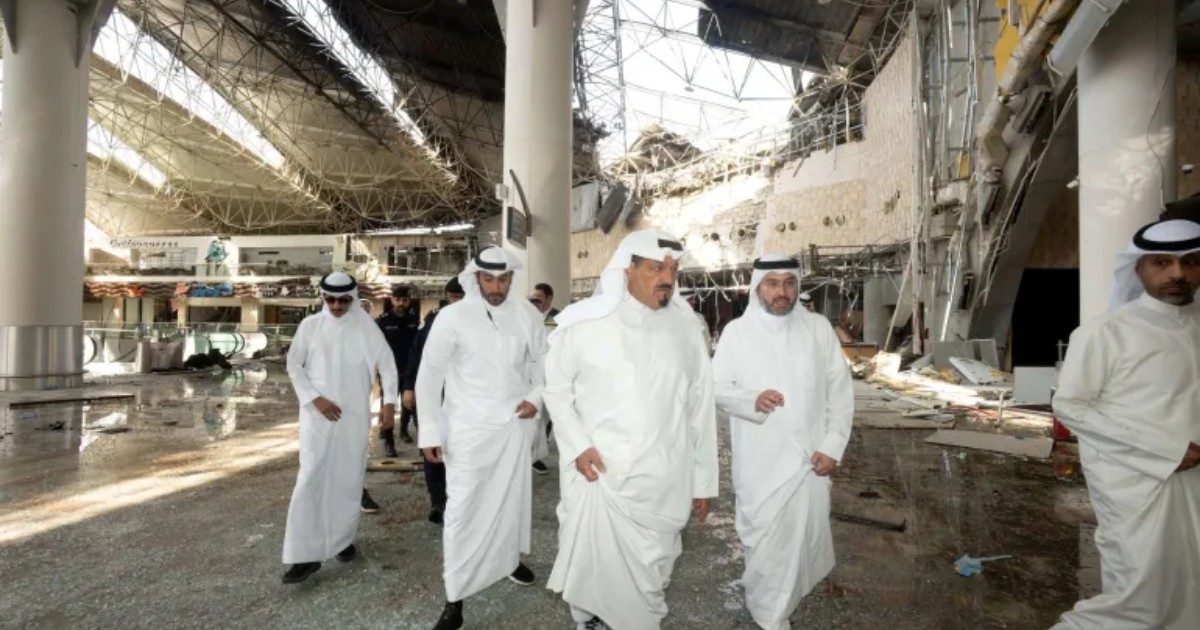
The current cycle of escalation between the United States and Iran has revealed a distinct shift in military strategy. As Washington continues to strike Iranian domestic infrastructure—including railways, power grids, and water systems—Tehran’s retaliatory measures have largely targeted civilian and military infrastructure across the Gulf states and Jordan, rather than directly engaging heavily protected US naval assets or Israel. Military analysts and regional observers suggest this is a calibrated strategy designed to exert pressure on the administration of US President Donald Trump without triggering an all-out, unmanageable war.
The military rationale behind this approach is rooted in operational feasibility and risk assessment. Retired Lebanese Brigadier General and military analyst Elias Hanna told Al Jazeera that targeting US naval assets would be a strategic error for Tehran. These assets are defended by sophisticated, multi-layered air defense systems that make them incredibly difficult targets. Furthermore, Hanna noted that a successful attack on a major US warship would necessitate a devastating, high-intensity American response, which is a outcome the Iranian leadership is actively trying to avoid.
The political justification for targeting neighboring Gulf states remains a point of intense contention. Atifeh Taghiani, a professor of political science at the University of Tehran, argues that the US is utilizing Gulf countries—specifically Kuwait—to launch operations against Iranian civilian infrastructure. According to Taghiani, international law grants Iran the right to retaliate against nations that facilitate such aggression. She claims that Washington is deliberately fostering hostility between Iran and its neighbors to create a buffer that complicates Tehran`s ability to respond directly against US forces.
Conversely, Abdullah al-Shayji, a professor of political science at Kuwait University, rejects this narrative as "recycled propaganda." Al-Shayji points out that the vast majority of US strikes are launched from aircraft carriers such as the USS George W. Bush and the USS Abraham Lincoln, which are positioned safely offshore in international waters, roughly 150 kilometers from the Iranian coast. According to al-Shayji, Gulf nations have provided assurances to Tehran that their territories are not being used for offensive operations against Iran, and Tehran has yet to produce any credible evidence to the contrary.
Ultimately, observers suggest that Tehran’s restraint regarding US naval assets is driven by the fear of American retaliation. Iran recognizes that while it can project power through regional proxies and strikes on neighboring infrastructure, a direct engagement that kills US service members would cross a dangerous threshold. This cautious approach highlights the high-stakes balancing act Tehran is attempting to perform as the conflict in the region continues to evolve.