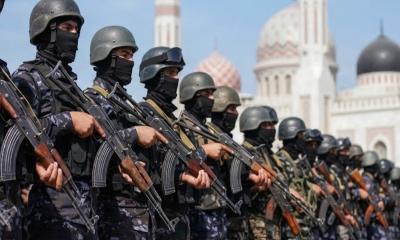
The United States and Iran are locked in an increasingly escalatory cycle of strikes, with both nations claiming their actions are necessary to secure strategic dominance over the Strait of Hormuz. According to Al Jazeera and AFP, the confrontation has transcended military targets, as the US has intensified attacks on Iranian roads, bridges, and power plants. Iran has responded with retaliatory strikes on US military assets and infrastructure in neighbouring nations such as Kuwait, Oman, and Jordan. These exchanges have caused widespread damage to civilian life, raising critical questions regarding adherence to international humanitarian law.
The rhetoric from Washington has hardened significantly. In a recent Fox News interview, US President Donald Trump threatened to systematically knock out all Iranian power plants and bridges unless Tehran agreed to negotiate. The reality on the ground reflects this volatility. Iranian authorities report that at least 50 people have died and 500 have been wounded since July 15. The recent wave of hostilities has targeted diverse locations across Iran, including military command centres, railways, airports, and energy facilities, complicating the daily existence of millions of civilians.
International humanitarian law provides a clear framework for protecting non-combatants during armed conflict. The 1949 Geneva Conventions and their 1977 Additional Protocols strictly forbid armed attacks or reprisals against civilian infrastructure. Law explicitly defines civilian infrastructure as any object that is not a military objective and is normally dedicated to civilian purposes, such as schools, hospitals, dwellings, and essential utility systems like water, electricity, and sewage. The treaty mandates that even when in doubt about an object`s purpose, parties must presume it is civilian and therefore protected.
Civilian infrastructure only becomes a legitimate target under strictly defined and proportionate circumstances. According to legal experts, an object can be targeted if it is proven that it is being used for military purposes and that its destruction provides a definite military advantage. However, Professor Luke Moffett, a civilian harm expert at Queen’s University Belfast, notes that the basic presumption must always be protection. He warned that attacks on suspected civilian objects are prohibited if the potential risks to civilian life and social functioning outweigh the military gains. Indiscriminate attacks that ignore these principles may be prosecuted as war crimes.
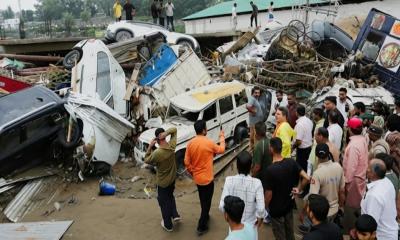
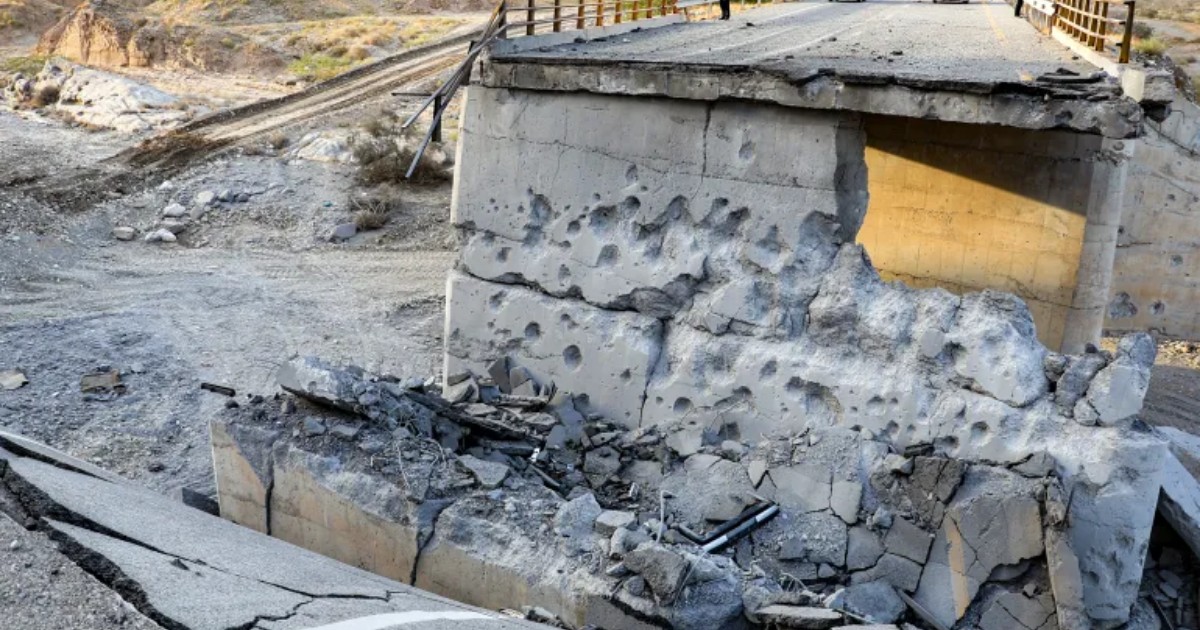
The operational reality on the ground demonstrates the thin line between military necessity and excessive harm. In Bandar Abbas, a hub for Iran’s naval and commercial activity, strikes have crippled railway facilities and multiple bridges, effectively severing vital transport routes. Similar destruction has been reported in the Hormozgan province, where bridges essential for civilian traffic have been destroyed. Health facilities, such as the Shahid Baghaei Hospital in Ahvaz, have been rendered inoperable, forcing the mass evacuation of patients. Furthermore, water desalination plants in Jask and food storage facilities in Khuzestan have faced direct hits, jeopardizing essential supplies for thousands of residents.
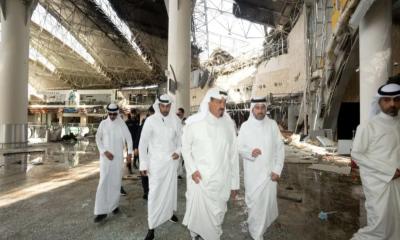
Iran’s retaliation has extended the theatre of war to neighbouring nations hosting US assets. Kuwaiti officials have reported repeated strikes on power and water desalination plants, leading to major fires and grid instability. Tankers and commercial vessels navigating the Strait of Hormuz have also been targeted, further disrupting regional commerce. As the fragile memorandum of understanding signed in June collapses, the situation remains precarious. The ongoing destruction of essential infrastructure points to a conflict where the distinction between combatant and civilian targets is becoming increasingly blurred, creating a humanitarian crisis that continues to evolve.