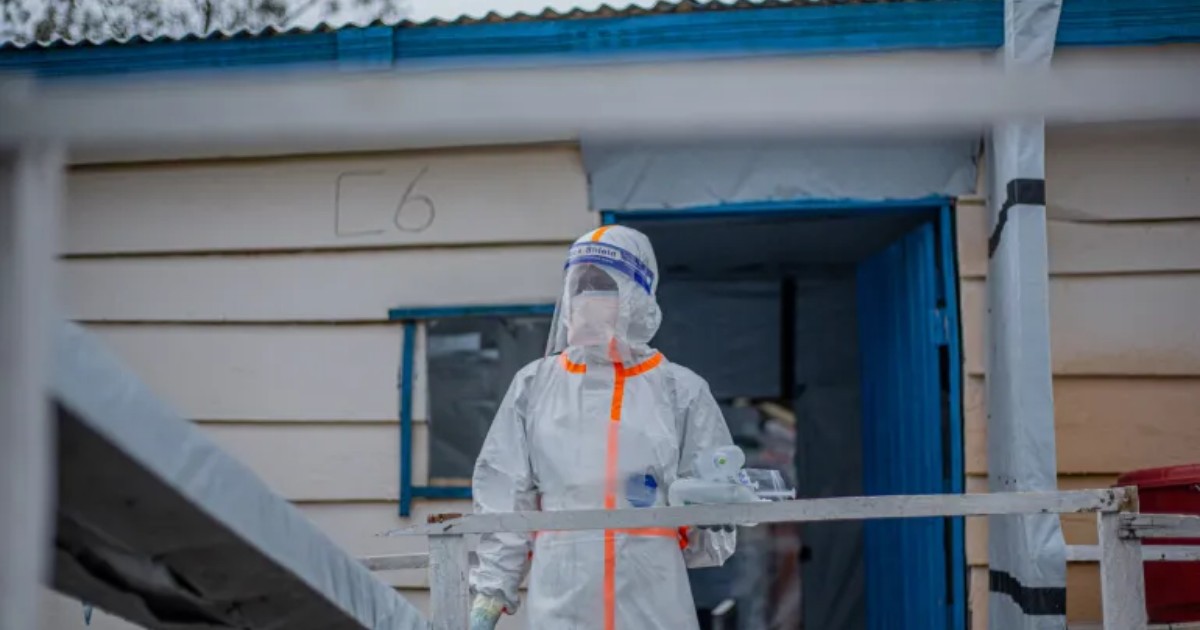
The death toll from the latest Ebola outbreak in the Democratic Republic of Congo (DRC) has risen to at least 930, according to official data released by health authorities on Monday. The virus appears to be accelerating in its transmission, with the health ministry confirming that the total number of confirmed cases has reached at least 2,344 as of Saturday. Officials recorded 37 deaths within a single 24-hour period over the weekend, marking one of the highest daily increases since the outbreak was first declared on May 15.
The World Health Organization (WHO) issued a stark warning last week, stating that Ebola is spreading in the DRC faster than in any previous recorded outbreak. WHO Director-General Tedros Adhanom Ghebreyesus highlighted the alarming velocity of the current crisis, noting that the 2018-2020 Ebola outbreak took over ten months to reach 2,000 confirmed cases. In contrast, the current outbreak reached the 2,000-case milestone in just two months. Tedros described the situation as the third-largest Ebola outbreak on record and emphasized that the true tally of infections could be at least double the official figures.
The 17th Ebola outbreak in the DRC was initially detected following a cluster of deaths in Ituri, a mineral-rich northeastern province frequently patrolled by various armed groups. While the virus has now been identified in five DRC provinces and reached neighbouring Uganda, the situation remains most acute within the DRC. Tedros noted that while Uganda is nearing a "virus-free" status, the infection rate in the DRC continues to climb at an unprecedented pace.
The humanitarian response is further complicated by a strike initiated by healthcare workers in Ituri, the region most affected by the rising death toll. Staff members blocked the entrance to Bunia General Hospital last week, protesting against the lack of compensation for their work since the onset of the outbreak. These workers have been operating under extremely difficult and dangerous conditions, and their industrial action has hampered patient care.
Tedros also emphasized a significant gap in surveillance, noting that more than 80 percent of new cases are being detected "outside known contact lists," which indicates that transmission chains are still being missed by responders. Despite these hurdles, the health ministry is intensifying its response efforts. According to the latest ministry update, 724 patients are currently in isolation at treatment centres, and there are signs of some progress, with 22 new recoveries recorded in the last 24 hours. Efforts to consolidate patient care and support capacities remain ongoing as the nation battles to contain the virus.