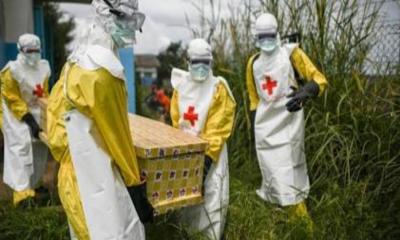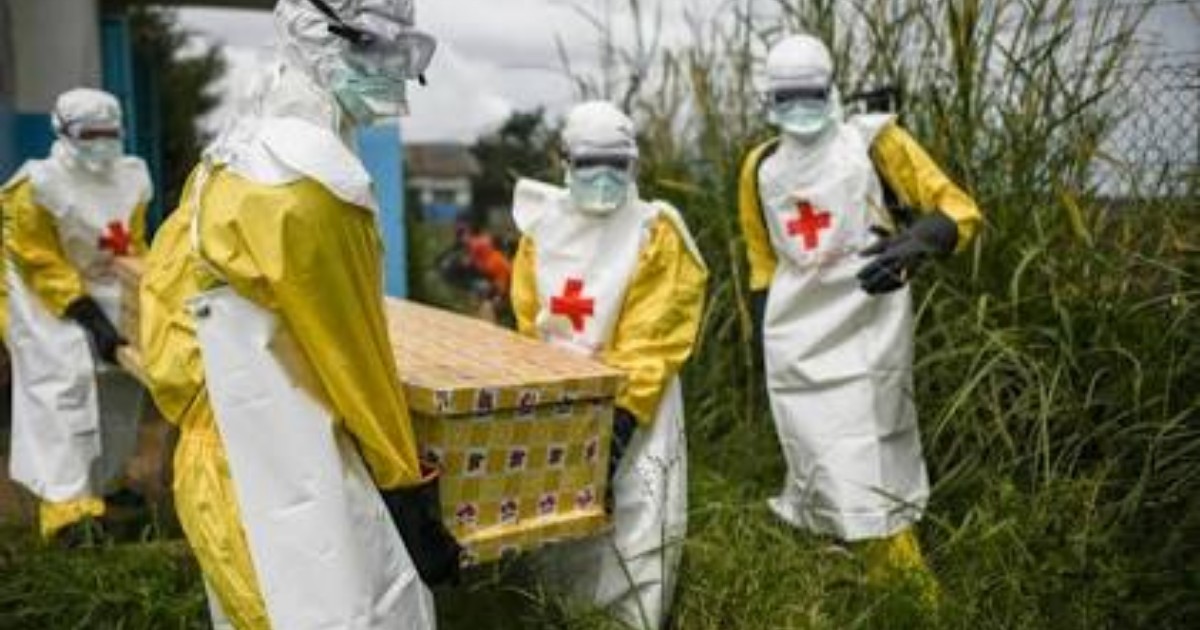
The World Health Organization warned in Geneva on Tuesday that the true number of Ebola cases in the Democratic Republic of the Congo is likely at least double the official tally, according to Reuters and Al Jazeera. The United Nations health agency has confirmed at least 1,963 cases, with at least 719 deaths reported so far during this latest wave. Speaking after visiting the affected region, Chikwe Ihekweazu, the Executive Director of the WHO Health Emergencies Programme, stated that most deaths occurred within the family environment rather than in formal medical centers. He told reporters in Geneva that modeling and epidemiological support indicate the scale of the outbreak is at least two to four times the number of cases currently being detected. As of July 12, 727 patients were receiving treatment in dedicated isolation facilities across the epidemic zones, which experts describe as the fastest-growing Ebola outbreak ever recorded on the African continent.
Efforts to contain the spreading virus face escalating operational challenges as local doctors and health workers in the Democratic Republic of the Congo threaten to strike over unpaid salaries. At the Rwampara Ebola treatment center, which is located in one of the hardest-hit areas, healthcare staff burned tires in protest on Monday and temporarily blocked access routes, according to the AFP news agency. The facility operates within Ituri province, the current epicentre of the outbreak, where at least 384 cases have been confirmed, including 89 fatalities. The National Institute of Public Health reported that healthcare workers themselves account for a significant portion of the infections, with 112 transmissions and 35 deaths documented by Sunday.
Medical professionals at the Rwampara center stated on Monday that they have been providing care to Ebola patients without receiving compensation since May 15. Physicians explained that they continue their work due to their professional oath but are forced to operate under extremely difficult conditions. Following a forty-eight-hour ultimatum issued to the government for the payment of salaries and bonuses, the staff announced they would launch a total strike, resulting in a complete work stoppage without minimum services. A health worker at the facility told The Associated Press that they could not comprehend how it was possible to remain unpaid for two months, though they did not want to abandon their critical duties.
Congolese Health Minister Samuel Roger Kamba acknowledged the extensive payment delays and attributed the situation to an organizational issue. During an official visit to Ituri last week, Kamba explained that the government is actively verifying the active payroll because several unrelated names had been mistakenly added to the system. He told reporters that authorities must ensure these emergency payments reach the right people who are working on the frontline. Kamba stated that the ministry has faced a few challenges, including major changes to the personnel lists which led to complaints, but emphasized that the government possesses the means to sort the matter out.
The Democratic Republic of the Congo officially declared its seventeenth Ebola epidemic on May 15. The ongoing crisis is fueled by the Bundibugyo virus strain, a specific species for which there is currently no approved vaccine or specific therapeutic treatment available. What remains unclear is whether international partners can rapidly curb cross-border transmission, as twenty cases and two deaths have already been reported in neighboring Uganda. Global donors and African nations have mobilized 1.5 billion dollars to support the public health response, and a clinical trial involving two experimental treatments is currently underway to identify an effective countermeasure.