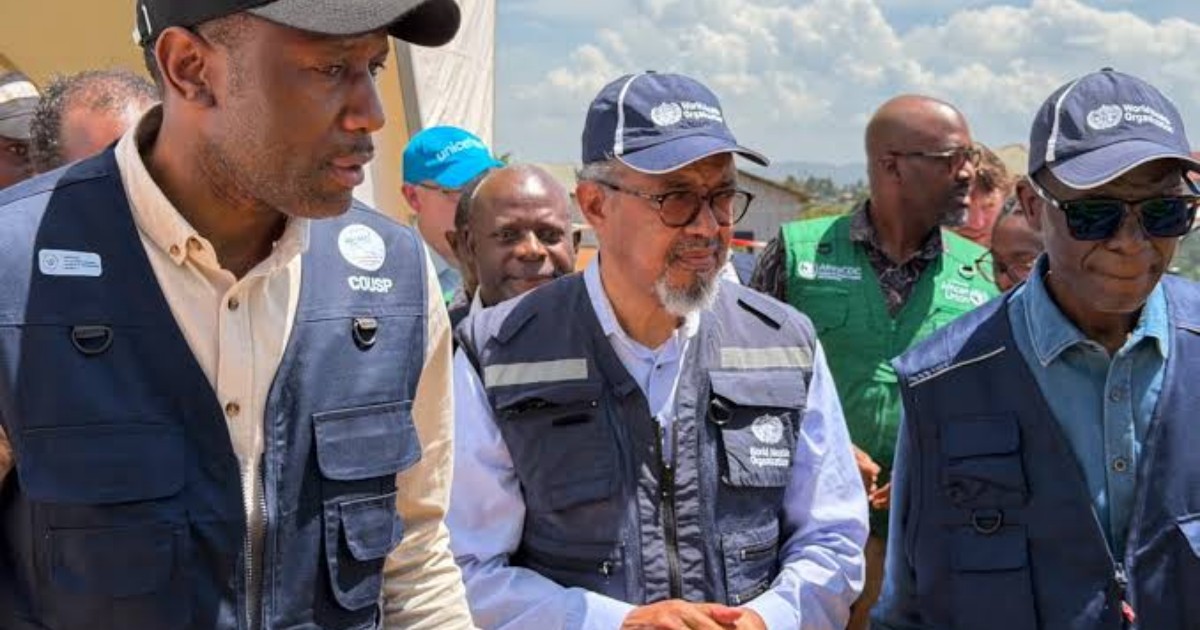
The rapid transmission of the Ebola virus in the Democratic Republic of Congo has created a deeply alarming situation, the international medical humanitarian organization Médecins Sans Frontières warned. Speaking two weeks after the formal declaration of the outbreak, operations officials expressed severe concern over the unprecedented speed of the infections. The warning coincided with a high-level visit by World Health Organization Director-General Dr. Tedros Adhanom Ghebreyesus to the eastern Congolese province of Ituri to oversee immediate containment efforts.
Medical reports indicate that this current resurgence involves the rare Bundibugyo strain of the Ebola virus. This specific species lacks any approved vaccines or definitive therapeutic treatments, complicating the work of frontline healthcare providers. Epidemiologists estimate that the fatality rate for those infected with this strain ranges from thirty to fifty percent. Public health experts emphasize that without immediate scale-up of localized medical interventions, the outbreak could swiftly expand across highly populated civilian hubs.
According to latest official data compiled by the Congolese Ministry of Health and verified by global health agencies, the number of suspected Ebola cases has surpassed one thousand. At least two hundred forty-six fatalities have been recorded within the country. The epidemic has also crossed international borders into neighboring Uganda, where health authorities confirmed nine infections and one death. Ituri province remains the epicenter of the crisis, accounting for more than ninety percent of all documented suspected infections.

Dr. Alan Gonzalez, the deputy director of operations for Médecins Sans Frontières, stated that no previous Ebola outbreak has recorded such a high volume of cases so quickly following its initial declaration. He observed that field teams are witnessing an epidemiological spread that is outpacing the current humanitarian response. Border restrictions and local airport closures have severely disrupted the logistical supply chain, delaying the arrival of emergency medical items. Hundreds of biological samples remain untested in laboratories, meaning the true scale of the crisis is likely underestimated.
The World Health Organization has repeatedly emphasized that ongoing armed conflict in eastern Congo is severely hindering the medical intervention. Data from the United Nations refugee agency shows that more than two million people are internally displaced across Ituri and North Kivu provinces. The active presence of rebel factions and ethnic militias limits the safe movement of medical staff into remote villages. This volatile security landscape has crippled active surveillance and contact tracing efforts.
Upon arriving in Bunia, the provincial capital of Ituri, Dr. Tedros urged local communities to take a leading role in the public health response. He noted that residents understand the immediate challenges and possess the capacity to implement effective localized solutions. He also addressed the dangers associated with traditional funeral practices, explaining that touching the bodies of deceased Ebola patients remains a primary driver of transmission. The virus spreads through direct contact with infected bodily fluids, including blood, saliva, and sweat.
While daily commerce in Bunia continues without immediate disruption, the recent establishment of localized testing centers has reduced diagnostic wait times. Previously, blood samples had to be flown over fifteen hundred kilometers to the capital city of Kinshasa, causing critical delays. International health officials conclude that ending this regional health crisis requires sustained humanitarian access and immediate financial commitments from global partners.