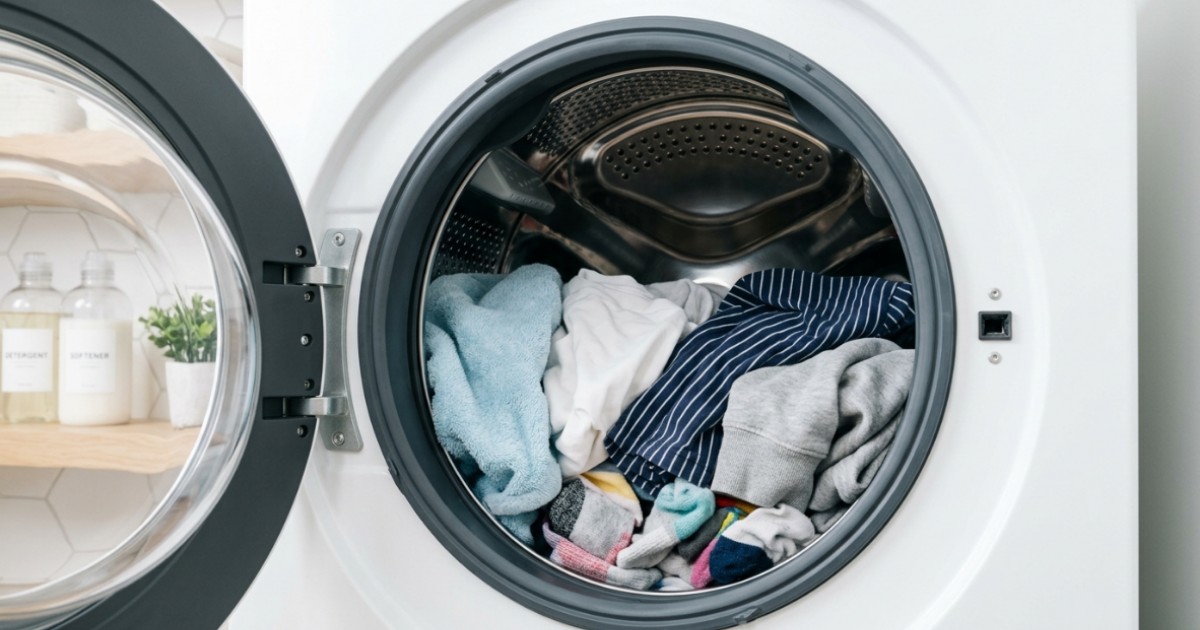
Washing machines have become an indispensable appliance in almost every modern household to simplify daily chores. However, making minor mistakes while operating this expensive equipment can render it completely useless in a very short period. One of the most common errors users make is stuffing too many garments into the drum, leading to severe overloading.Overloading causes permanent damage to the motor.
When an excessive amount of laundry is crammed inside, it places immense pressure on the internal rotating drum. This additional stress causes the internal motor to overheat rapidly and potentially fail beyond repair. Furthermore, crowded clothes cannot rotate freely within the chamber, which prevents the detergent from dissolving or rinsing away properly. As a result, garments often come out with visible soap residue, persistent stains, and unpleasant damp odors.
Appliances come in various capacities in the retail market, typically ranging from 6kg up to 8kg or more. Generally, a standard 6kg washing machine can safely accommodate about 8 to 10 lightweight shirts and trousers per cycle. Meanwhile, a 7kg variant handles 11 to 13 items, and an 8kg model can manage a maximum of 14 to 16 light garments. To accurately measure the ideal load size, experts highly recommend utilizing the simple "one-hand rule" during preparation.
If you can comfortably insert your hand into the gap between the clothes and the top of the drum, the load volume is completely safe. For the best laundry outcomes, it is wiser to wash heavy denim items separately from delicate, thinner fabrics. Keeping the machine filled to only 70 or 80 percent of its structural capacity ensures long-term operational durability and consistently pristine clothes.