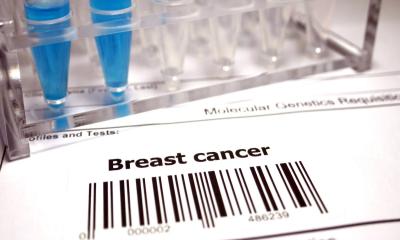
The soaring popularity of aesthetic nail art has sparked a critical global debate regarding potential long-term health anomalies. While millions of consumers regularly frequent commercial salons to achieve modern cosmetic enhancements, clinical oncologists are raising alarms about hidden toxic ingredients. Recent scientific evaluations suggest that routine exposure to traditional chemical formulas could introduce severe physiological complications.Certain chemical compounds are now classified as definite carcinogens.
Traditional cosmetic lacquers frequently contain a combination of hazardous substances, including formaldehyde, toluene, and dibutyl phthalate. The World Health Organization officially categorizes formaldehyde as a Group 1 carcinogen due to its verified cell-mutating properties. According to Dr. Vartika Vishwani, a leading surgical oncologist, occasional cosmetic applications pose a relatively low baseline danger to typical retail consumers. However, professional salon employees face substantial vocational hazards because chronic inhalation of industrial fumes drastically amplifies their risk of developing respiratory and throat cancers over time.
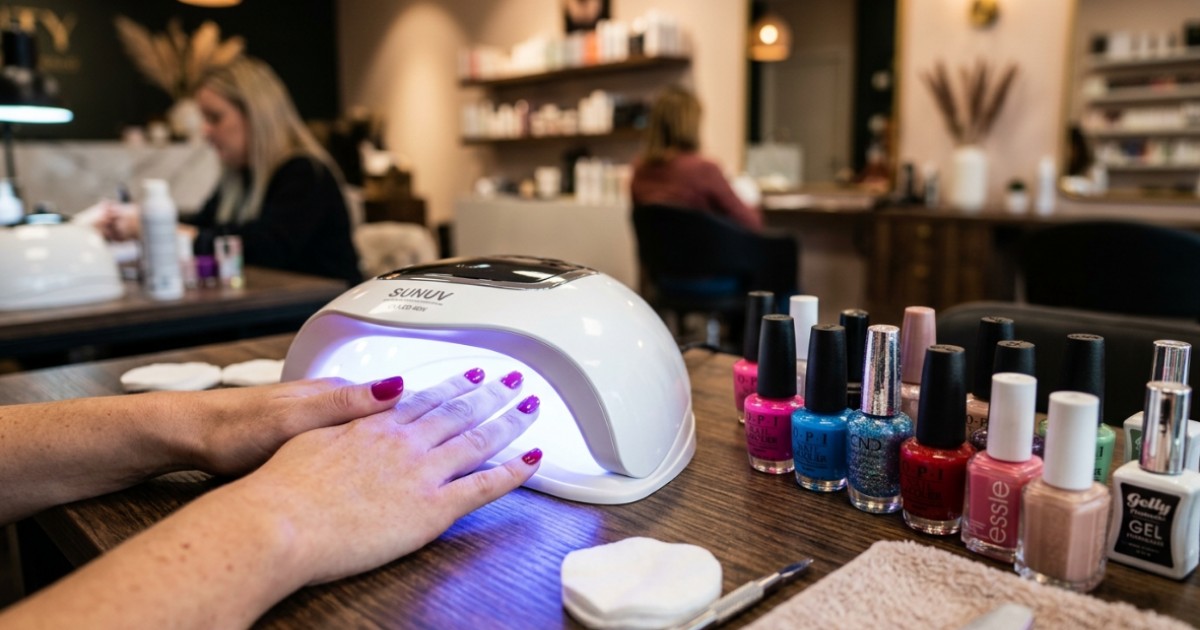
Modern mechanical drying techniques utilized during gel applications present additional dermatological concerns for safety experts. Beauty salons globally rely on high-intensity ultraviolet drying lamps to expedite the curing process of synthetic layers. Laboratory studies indicate that sustained exposure to artificial ultraviolet radiation induces direct molecular damage to skin cell DNA structures. This artificial degradation mimics the physiological triggers of aggressive skin malignancies, prompting international health researchers to advise immediate caution. Detailed longitudinal human clinical studies are currently underway to verify the exact statistical correlation between salon equipment and cellular decay.
To mitigate these systemic risks, consumer advocacy groups recommend strict verification of product ingredient labeling before application. Purchasing formulas labeled as chemical-free serves as an effective mechanism to minimize direct environmental exposure to endocrine-disrupting polymers. Applying broad-spectrum sunscreen protectants to the hands prior to executing ultraviolet curing procedures significantly reduces dermal radiation absorption levels.
Driven by expanding public health awareness, international fashion sectors in 2026 are shifting toward organic minimalism. Clean, unpainted, and naturally buffed nails are replacing heavy synthetic layers as the prevailing symbol of modern elegance. Medical professionals emphasize that embracing non-toxic personal care alternatives is a crucial step toward protecting systemic health without sacrificing aesthetic choices.