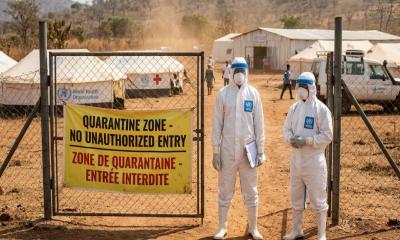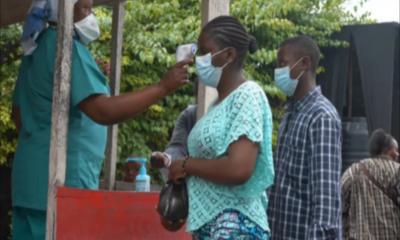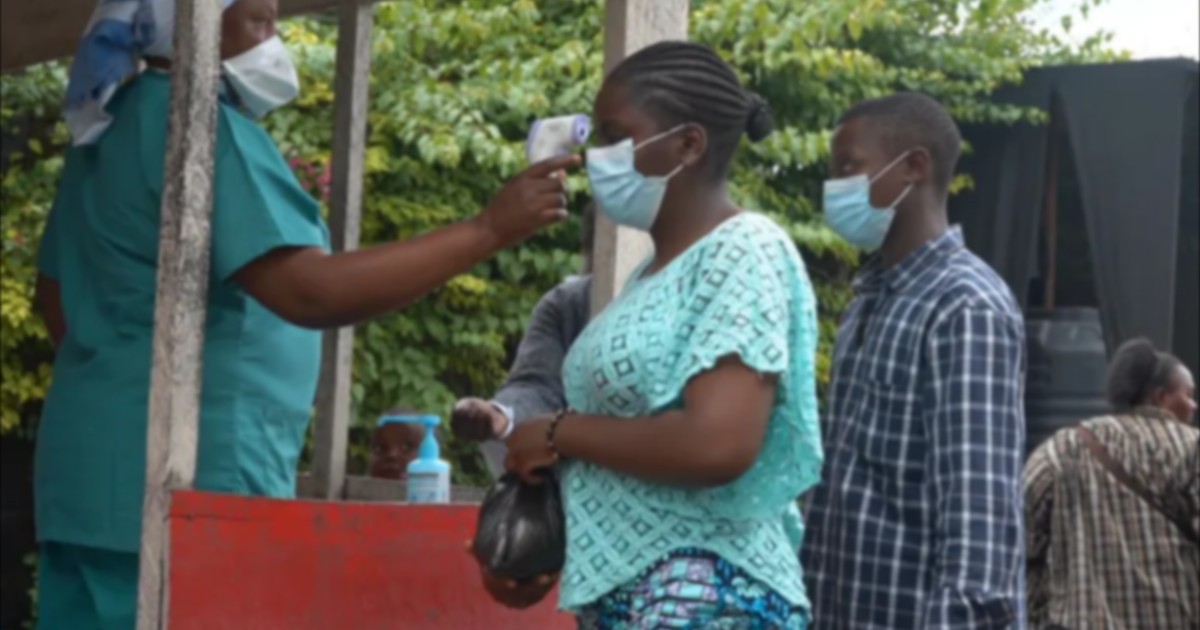
Congolese authorities have suspended all commercial air traffic to and from Bunia in the eastern Democratic Republic of the Congo (DRC) to contain a rapidly spreading Ebola outbreak. The Ministry of Transport and Communications officially grounded all flights in and out of the capital of Ituri province, where virus transmission remains high. This precautionary mandate is intended to halt potential cross-border transit of the epidemic and safeguard the health of crews, passengers, and regional ground staff.The strategic isolation of the region has created an immediate logistical bottleneck.
While most air traffic is prohibited, the Kinshasa administration has granted limited exceptions for humanitarian, medical, and emergency missions. These flights require specialized clearance from aviation and health departments to ensure that essential medical personnel and supplies reach the front lines of the outbreak. Local analysts note that because existing road infrastructure is virtually impassable, the sudden closure of the airport is expected to cause significant disruption to essential services.
Uganda, a vital gateway for regional trade and passenger movement, has concurrently implemented its own travel restrictions affecting traffic from the DRC. Since Bunia relies heavily on Kampala for the importation of consumer goods, the combined travel constraints are already stifling commercial activity within the city. Retailers report that they are unable to fulfill customer orders, leaving the regional supply chain in a state of paralysis.
Business operators in Bunia warn that the economic fallout could soon rival the health disaster itself. With 50 percent of the city`s economic activity tied to services, retail, and public administration, the sudden closure of borders has jeopardized thousands of local enterprises. Many business leaders are now calling on the central government to implement urgent tax relief measures to prevent a wave of regional bankruptcies during this period of extreme instability.
According to the Congolese Ministry of Public Health, the outbreak had claimed over 220 lives by late May 2026, with more than 930 reported cases across North Kivu, South Kivu, and Ituri. While international partners have pledged nearly $500 million to support the response, experts remain concerned about the severity of the Bundibugyo strain. With shortages of goods already looming, residents fear that the scarcity of essential items could lead to skyrocketing prices across the province.