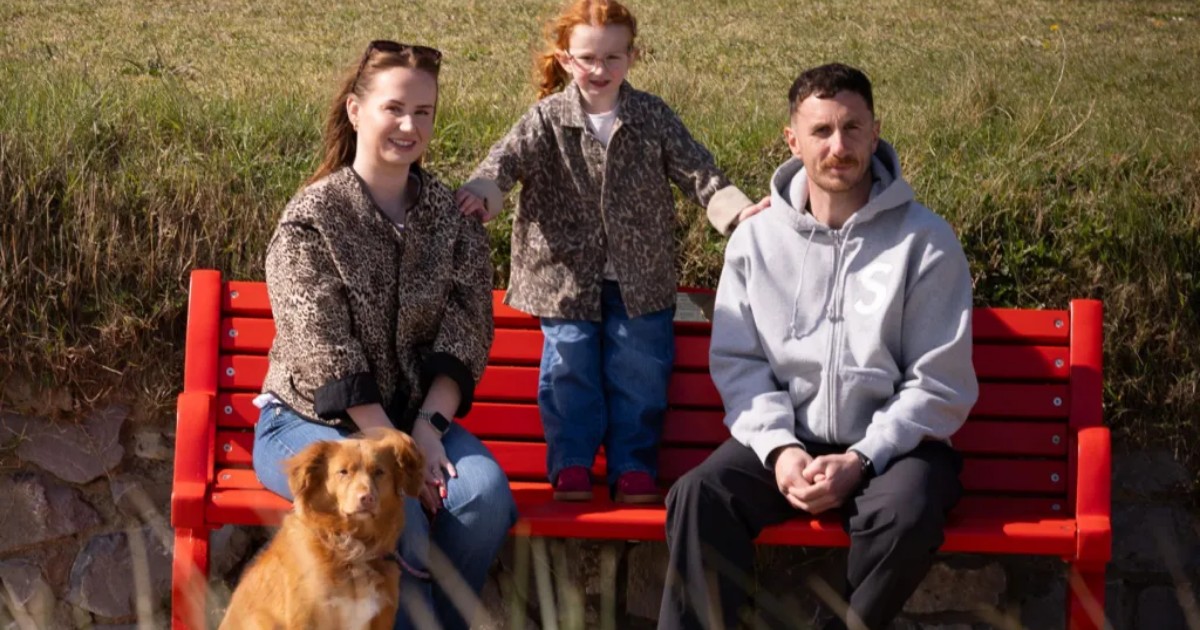
The parents of a five-year-old girl from Carmarthenshire, Wales, have launched a global public awareness campaign regarding the vital importance of accurate prenatal diagnoses after multiple pregnancy scans completely failed to detect a severe child heart defect. Emily Bowen, 33, and her partner Mathew Mariani, 38, revealed that their daughter Esme was born with extensive structural anomalies that required immediate, life-saving open-heart surgery.
Due to the failure of initial routine evaluations, the family spent the first week of their newborn`s life treating what medical professionals initially misdiagnosed as a standard Covid-19 respiratory infection.The unexpected prenatal oversight left the first-time parents completely vulnerable to catastrophic medical complications.
During her pregnancy, Emily repeatedly highlighted specific red flags to healthcare staff, including a persistent ectopic heartbeat, but her maternal concerns were routinely dismissed as minor external symptoms caused by caffeine intake or emotional stress. Esme was delivered on New Year’s Day in 2021, one week prior to her formal due date, and was discharged following a superficial electrocardiogram that raised no internal alarms.
However, at just seven days old, the infant began violently rejecting formula during feeds, accompanied by shallow, recessive breathing and an unsustainably high heart rate. Despite an out-of-hours clinic doctor dispatching the infant to a specialized pediatric assessment unit, clinicians isolated the family inside a high-dependency Covid ward under the assumption that she had contracted the coronavirus during the second national pandemic lockdown.

It was during this high-risk hospitalization that an advanced echocardiogram was conducted for the first time, officially identifying a severe child heart defect known as Atrioventricular Septal Defect or AVSD. This rare condition involves large holes between the heart`s primary chambers alongside a single shared valve instead of the typical separate structure. The critical diagnosis occurred at a time when stringent pandemic restrictions barred both parents from occupying the hospital ward together, forcing Emily to isolate inside a vehicle outdoors while Mathew visited their sick daughter. Because Esme`s enlarged heart was working under immense physical pressure, she struggled to retain calories, requiring specialized tube-feeding of high-calorie formula to reach the baseline weight required for major thoracic entry.
After her critical open-heart surgery was postponed four consecutive times due to operational bottlenecks, pediatric surgeons in Bristol successfully repaired her cardiovascular system in July 2021.
Although Esme is technically classified as living in heart failure and remains reliant on daily stabilizing medications, she currently enjoys an active, asymptomatic childhood in south Wales. Medical experts have cautioned the family that repairing an AVSD structure is structurally akin to stitching jelly, meaning she will inevitably require secondary corrective surgeries as her cardiovascular system matures. In response to their grueling ordeal, the couple has successfully raised approximately £18,000 for the British Heart Foundation, directly funding the core medical research projects spearheaded by Esme’s operating surgeon.
Representatives from both the Swansea Bay and Hywel Dda University Health Boards issued official statements apologizing for the family`s distressing experience and pledged to use the case details to refine national prenatal screening pathways and equipment standards.
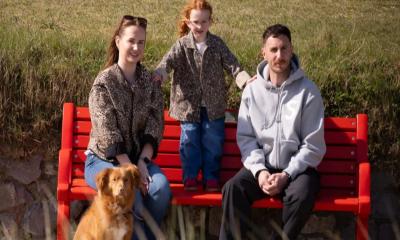
The family currently celebrates Esme`s "heart anniversary" like a traditional birthday, finding solace near a memorial bench dedicated to her journey at Swansea Bay. Emily notes that her social media network has grown into a vital lifeline, connecting distressed families worldwide who navigate similar undiagnosed congenital defects. Their ongoing advocacy highlights the immediate necessity for systemic reforms within regional ultrasound screening departments