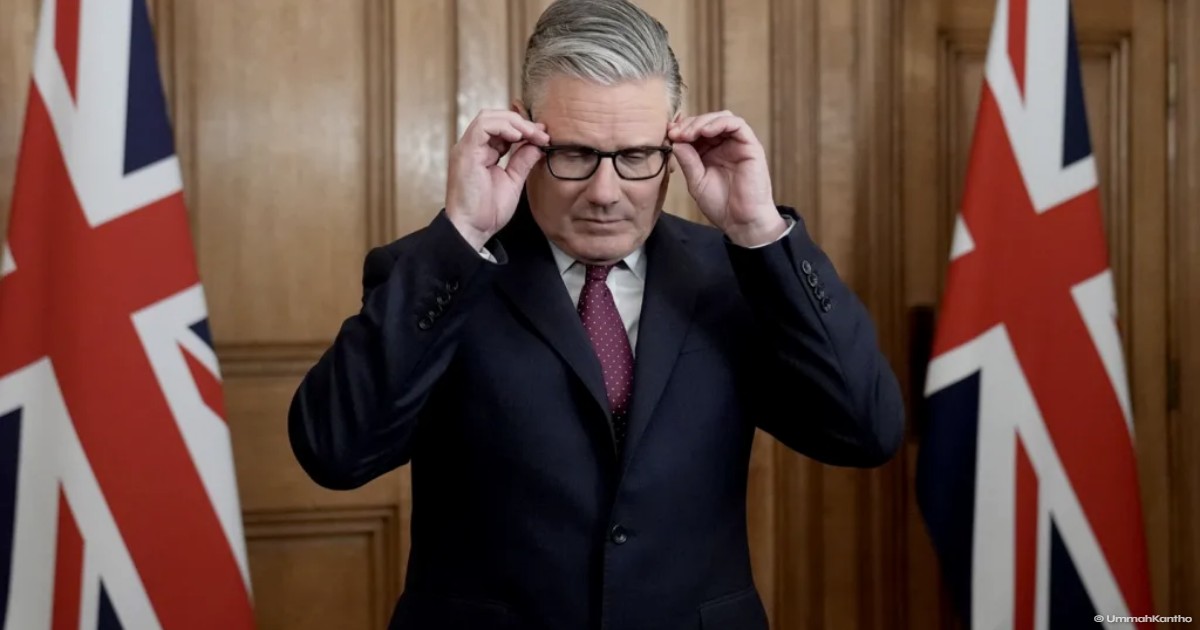
Sir Keir Starmer is currently presiding over what is arguably the most high-stakes Cabinet meeting of his career. Less than two years after leading the Labour Party to a historic landslide victory, the Prime Minister finds himself besieged by his own colleagues. The atmosphere at 10 Downing Street is thick with tension as Starmer fights to maintain his grip on power amid a growing revolt within the Parliamentary Labour Party (PLP). Following a catastrophic series of regional and local elections last week, the Prime Minister’s authority has been severely diminished, leaving many to wonder if his tenure is nearing an abrupt end.
The immediate cause of this political earthquake is the staggering loss of nearly 1,500 council seats across England in the recent local elections. The results were a harsh verdict on the government’s performance, compounded by Labour being ousted from power in Wales and recording its worst-ever performance in a Scottish Parliament election. These losses have not only rattled the backbenches but have also reached the highest levels of the Cabinet. Home Secretary Shabana Mahmood is reportedly among a group of senior ministers who have urged Starmer to draft an "exit timetable" to ensure an orderly transition of leadership.
However, Starmer has chosen defiance over retreat. During today`s Cabinet session, he reportedly threw down the gauntlet to his detractors, stating that the British public expects the party to "get on with governing" rather than descending into internal warfare. By refusing to voluntarily set a departure date, he has effectively challenged potential rivals to launch a formal leadership contest. Under current Labour Party rules, a formal challenge requires the signatures of 81 MPs—20% of the PLP. As of now, no MP has moved to trigger this mechanism, though the number of public calls for his resignation continues to climb.
The crisis has already claimed its first ministerial casualty. Miatta Fahnbulleh, a communities minister, resigned early this morning, becoming the first member of the frontbench to walk away. Her departure is seen as a symbolic blow, signaling that the unrest has penetrated the government’s working tiers. Currently, more than 70 Labour MPs have publicly voiced their loss of confidence in the Prime Minister. The discontent is fueled not just by election results, but by a series of strategic blunders, including the controversial decision to appoint Peter Mandelson as the UK Ambassador to the United States—a move that alienated several factions within the party.
As the revolt intensifies, the conversation in Westminster has shifted to who might succeed Starmer. Health Secretary Wes Streeting and former Deputy PM Angela Rayner are widely viewed as the primary contenders within the House of Commons. Both possess distinct ideological appeals and strong support bases among the membership. Another name frequently mentioned is Andy Burnham, the Mayor of Greater Manchester. While Burnham enjoys significant popularity, his path to the leadership is complicated by the fact that he is not currently an MP. His candidacy would require a coordinated effort to secure a parliamentary seat, a process that could draw out the leadership void for several months.
Political analysts, including the BBC’s Chris Mason, describe Starmer as "hanging on by a thread." The Prime Minister’s attempt to shore up his position with a hastily-convened speech on Monday appears to have backfired, leading to an even greater surge in public calls for him to step down. The central question now is whether Starmer’s "governing first" gambit will buy him enough time to consolidate support, or if the internal pressure will become unsustainable before the week is out. For a leader who once seemed untouchable, the current crisis serves as a stark reminder of the volatility of British politics in 2026.