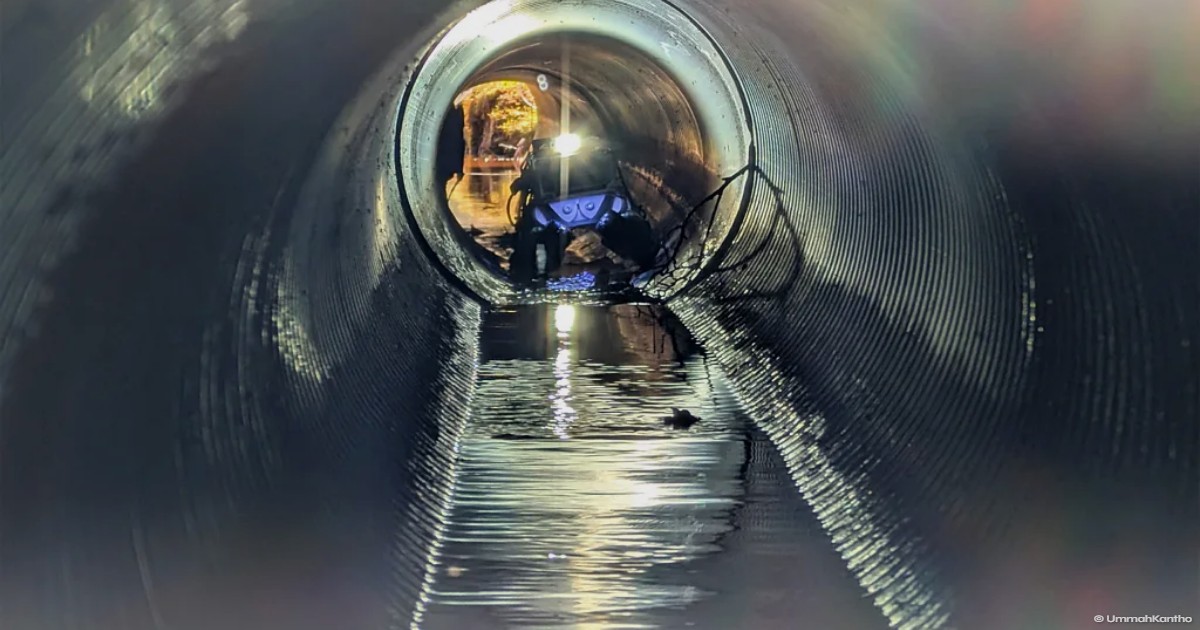
Beneath the busy streets of London, a silent and toxic menace is growing within the city`s aging sewer network. Known as a fatberg, this reeking coagulation of grease, oil, and non-biodegradable debris has become a major challenge for urban infrastructure worldwide. In the Whitechapel area, one such mass weighed a staggering 130 tonnes—comparable to 11 double-decker buses—and required weeks of grueling manual labor to clear. According to recent reports from Thames Water, a similar mass weighing over 100 tonnes was discovered regrowing in the same Victorian-era tunnels by late 2025.
Fatbergs are more than just a disgusting nuisance; they represent a significant environmental and economic threat. These clogs form when fat, oil, and grease (FOG) poured down kitchen sinks mix with items like wet wipes and sanitary products that should never be flushed. The result is a rock-hard substance that blocks pipes, causing raw sewage to back up into homes or spill into local rivers. In New York City alone, officials spend approximately $18.8 million every year to remove these blockages and degrease the subterranean system.
Detecting these fatty giants before they reach catastrophic proportions has historically been a matter of luck or routine inspection. However, water utilities are now turning to artificial intelligence and advanced sensor technology to gain the upper hand. Southern Water, which manages sewers in Southeast England, has deployed approximately 34,000 sensors across its network. These devices, attached to manhole covers, use radar to monitor water levels in real-time.
The data gathered by these sensors is fed into machine learning algorithms that analyze rainfall patterns and historical weather data. By establishing what a "normal" water level should be, the AI can alert engineers the moment a deviation occurs. This early warning system allows workers to intervene before a fatberg hardens like concrete. Richard Martin, head of treatment improvement at Southern Water, noted that the company has already cleared hundreds of potential blockages this year using AI-powered insights.
The shift toward digital monitoring also addresses a critical safety concern for sewage workers. The underground environment is notoriously hazardous, filled with toxic gases like hydrogen sulfide and methane. By reducing the frequency of physical inspections, technology is keeping human workers out of these dangerous spaces. According to company data, Southern Water saw a 47% drop in sewage spills in 2025 compared to the previous year, a success largely attributed to the proactive use of AI.
As global cities continue to expand, the pressure on historic sewer systems only increases. While public awareness campaigns regarding what not to flush remain important, the battle against fatbergs is increasingly being fought with data. The integration of AI into urban maintenance demonstrates how modern technology can breathe new life into old infrastructure, protecting both the environment and the people who live above these hidden subterranean monsters. The picture remains incomplete, but the progress made in 2025 suggests that the digital war on fatbergs is finally starting to yield results.