The United States is currently engaged in high-stakes negotiations with Denmark to significantly expand its military footprint in Greenland, according to senior officials familiar with the matter. On Tuesday, speaking at a democracy summit in Copenhagen, Greenlandic Prime Minister Jens-Frederik Nielsen confirmed that the discussions have taken several steps in the right direction. The primary objective of these talks is the establishment of three new military bases in the southern region of the semi-autonomous territory. This move is seen as a strategic pivot to counter the growing maritime influence of Russia and China in the North Atlantic, specifically within the critical maritime corridor known as the GIUK Gap.
These negotiations represent a significant diplomatic shift following a period of intense friction sparked by President Donald Trump. Earlier this year, Trump reignited a diplomatic crisis by suggesting the U.S. should "own" Greenland to prevent adversarial powers from gaining a foothold, threatening to take control either the "easy way" or the "hard way." This rhetoric initially led to a defensive stance from Denmark, with reports suggesting the Danish military had prepared plans to disable Greenland’s infrastructure in the event of a U.S. incursion. However, behind the scenes, a small working group led by senior State Department official Michael Needham has been professionally mending these ties and focusing on a collaborative military arrangement.
The strategic focus of the proposed bases is the surveillance of Russian and Chinese maritime activity between Greenland, Iceland, and the United Kingdom. Pentagon officials believe that maintaining a permanent presence in southern Greenland is vital for monitoring submarine movements and surface vessels attempting to enter the Atlantic. One of the primary sites under consideration is Narsarsuaq, which previously hosted a U.S. military facility during World War II. Analysts suggest that upgrading existing infrastructure, such as airfields and ports, would be a cost-effective way for the U.S. to establish its new facilities compared to building from scratch.
A particularly sensitive aspect of the current negotiations is the legal status of these new bases. Sources indicate that U.S. officials have floated a proposal to formally designate the three new facilities as sovereign U.S. territory. This request poses a significant diplomatic challenge for Denmark, as it touches upon sensitive issues of national sovereignty and border protection. While no formal agreement has been reached yet, the Danish Ministry of Foreign Affairs confirmed that a diplomatic track is ongoing. The U.S. administration, despite being heavily consumed by the ongoing war in Iran, has prioritized these Greenland talks as a matter of long-term national security.
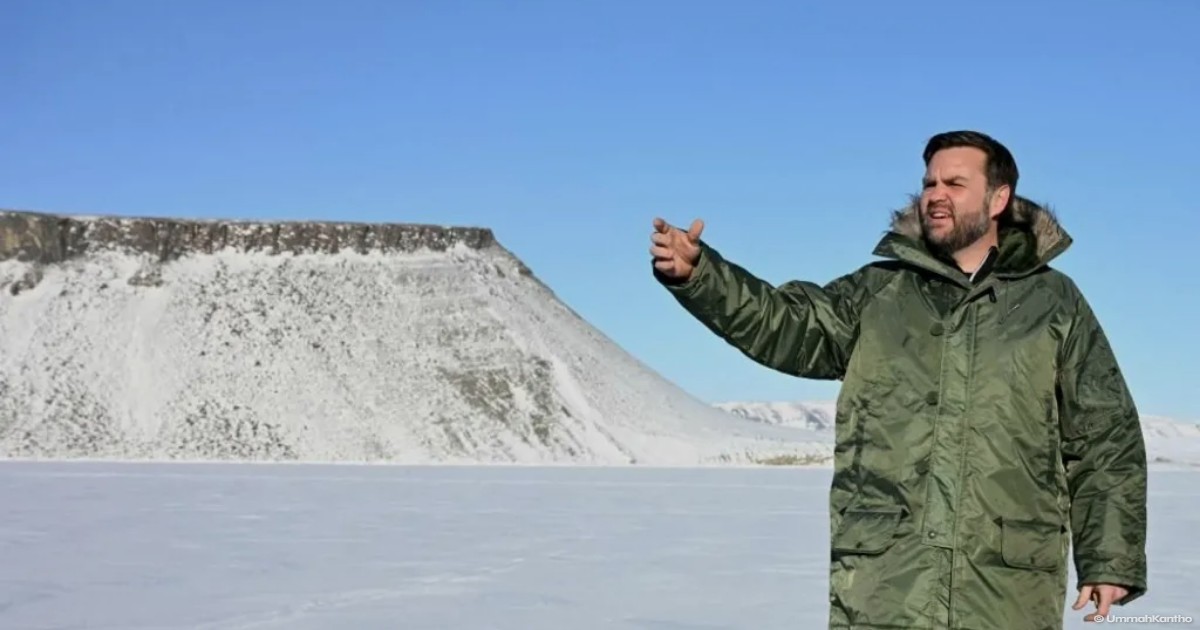
The diplomatic effort is being managed with a high degree of professionalism to satisfy the administration’s strategic goals while respecting Denmark’s sovereignty. Michael Needham has reportedly met with Danish Ambassador Jesper Møller Sørensen and top Greenlandic diplomat Jacob Isbosethsen at least five times since mid-January. Vice-President JD Vance’s tour of the existing Pituffik Space Base earlier this year further signaled the high priority the administration places on the Arctic region. If successful, these talks will not only strengthen the NATO alliance`s northern flank but also ensure that the North Atlantic remains under Western surveillance in an era of increasing global competition.