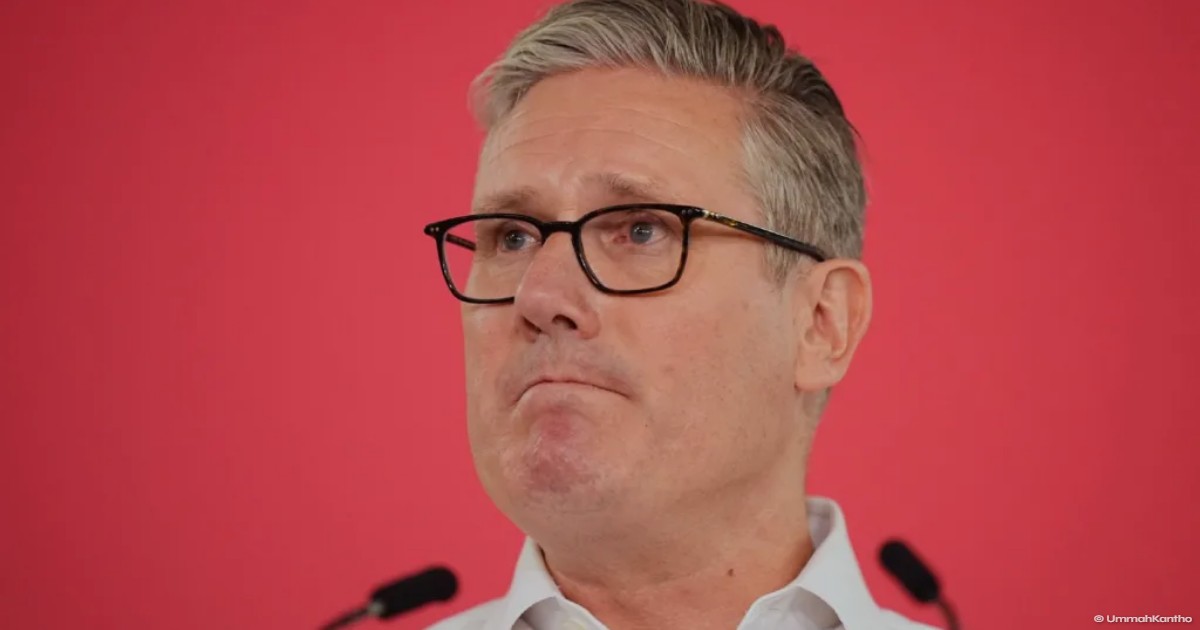
The political landscape in London has been thrown into complete disarray as Prime Minister Sir Keir Starmer faces a defining crisis that could end his residency at 10 Downing Street. Tuesday morning began with a palpable sense of dread within the government as reports emerged of a fundamental split within the Cabinet. For the first time, senior ministers are openly questioning the viability of Starmer’s leadership, with Home Secretary Shabana Mahmood leading a minority group calling for a clear timetable for the Prime Minister’s resignation. While Starmer remains defiant for now, the sheer scale of the internal rebellion suggests a government that is rapidly losing its grip on power.
The catalyst for this unprecedented revolt was the devastating performance of the Labour Party in last week’s local elections. The party suffered a historic setback, losing approximately 1,500 council seats across England. This collapse was accompanied by a massive surge in support for Reform UK and the Green Party, which effectively dismantled Labour’s traditional strongholds in urban areas. The results in Wales and Scotland were equally catastrophic; Labour lost its century-long dominance in Wales and secured only 17 seats in the Scottish Parliament—its worst ever result at Holyrood. These numbers have sent shockwaves through the Parliamentary Labour Party, leading many to believe that Starmer is no longer an electoral asset but a liability.
As of Tuesday morning, the number of Labour MPs calling for Starmer to set an exit date has reached 72. This is not just a localized protest from the backbenches but a broad-based rejection of his current direction. The fragility of his position was further exposed by the mass resignation of six ministerial aides, known as Parliamentary Private Secretaries (PPS). These junior government figures, including Joe Morris, Naushabah Khan, and Melanie Ward, represent the future of the party. Their departure, coupled with blunt statements that the Prime Minister has lost the trust of the public, has left the administration looking increasingly hollow. Joe Morris’s resignation was particularly significant as he served under Health Secretary Wes Streeting, a rumored contender for the leadership.
Despite the mounting pressure, Sir Keir Starmer has attempted to project an image of strength. In a speech delivered on Monday, he insisted that he would not be "walking away" and promised to prove his doubters wrong. He framed his tenure as one of making "big political choices" correctly, even while admitting to administrative mistakes. However, his attempts to reset the narrative by announcing the nationalization of British Steel and seeking closer ties with the EU have been met with derision from his critics. Jonathan Hinder, a Labour MP and co-leader of the Blue Labour caucus, described the Prime Minister’s response as "tone deaf" and "insulting" to the voters who have just rejected the party at the ballot box.
The internal politics of the Labour Party have become a complex web of rival ambitions and tactical maneuvering. Supporters of Andy Burnham, the Mayor of Greater Manchester, are pushing for a deliberate timetable that would allow him to return to Parliament and launch a leadership bid. Conversely, figures on the right of the party, close to Wes Streeting, are reportedly advocating for a swifter departure to bypass Burnham’s entry into the race. This maneuvering reflects a party that is already looking past Starmer and into a post-Keir era. Even former Deputy Prime Minister Angela Rayner has publicly stated that the party "must do better," a comment that many see as a distancing from the Prime Minister’s failing strategy.
The rise of five-party politics in the UK has fundamentally altered the math of survival for Sir Keir. With Reform UK eating into the Labour vote share on the right and the Greens challenging from the left, the Prime Minister’s "middle of the road" approach has left the party exposed on both flanks. The Mandelson scandal from earlier in the year and the general sense of policy stagnation have further eroded the enthusiasm of the party faithful. As the Cabinet meets this morning, the atmosphere is expected to be one of confrontation rather than collaboration. In British politics, once the momentum for a leadership change becomes this public, it is rarely stopped.
As the day unfolds, the question is no longer if Sir Keir Starmer will leave, but when. The pressure from 72 MPs and senior ministers like Shabana Mahmood has created a situation that is historically unsustainable. Whether Starmer can somehow bridge the divide within his party or if he will be forced to announce his departure by September remains the most pressing question in Westminster. For a Prime Minister who won a landslide victory only two years ago, the speed of this fall from grace is a stark reminder of the volatility of modern British politics. The next few hours in Downing Street may well decide the future of the Labour government for the remainder of this decade.