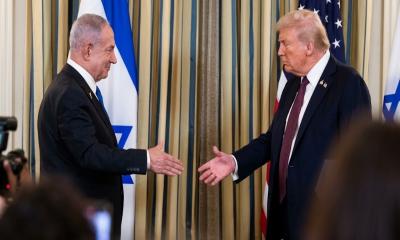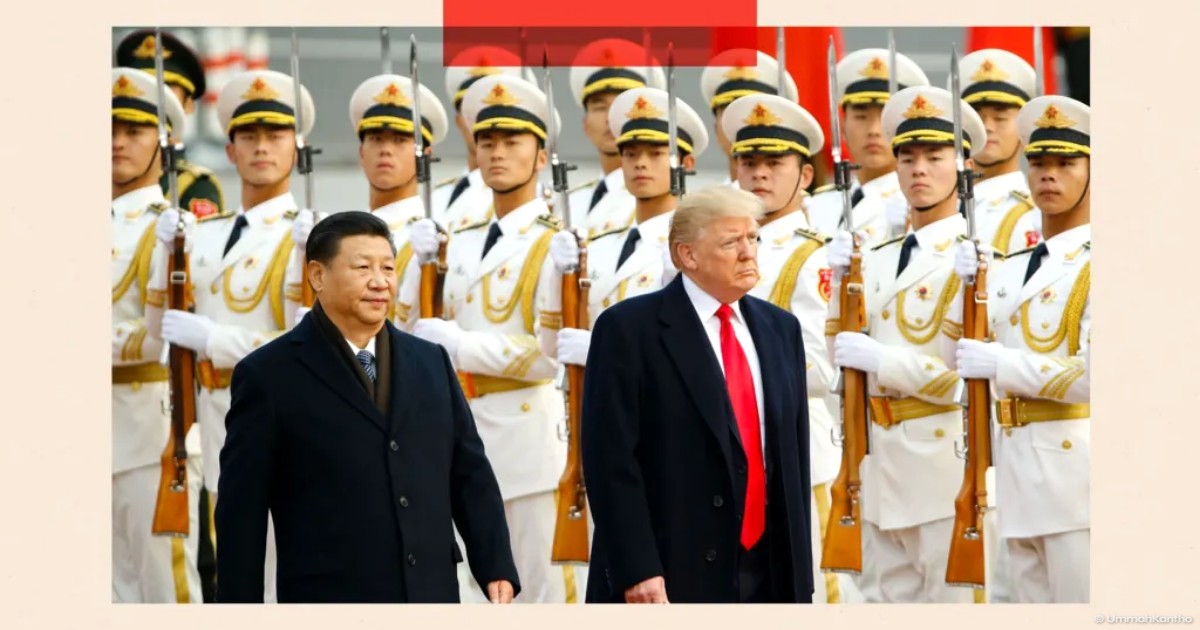
Security around Beijing`s historic Tiananmen Square has been heightened for days, with rumors on social media swirling of a special parade or a meticulously choreographed grand event. The preparations, which began with a quiet efficiency, have now evolved into a full-scale spectacle as China readies itself for the arrival of U.S. President Donald Trump. This visit—the first by a sitting U.S. president since Trump’s own trip in 2017—is not merely a diplomatic courtesy; it is perhaps the most consequential encounter between the world`s two most powerful leaders in decades. Against the backdrop of a global energy crisis and an ongoing war in the Middle East, the Trump-Xi summit of May 2026 is set to redefine superpower relations for the foreseeable future.
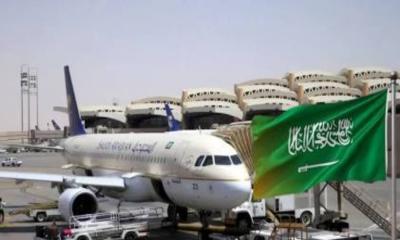
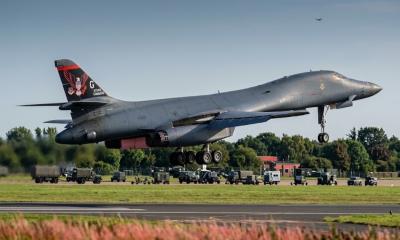
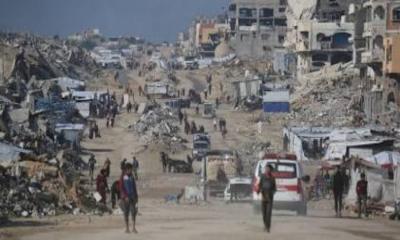
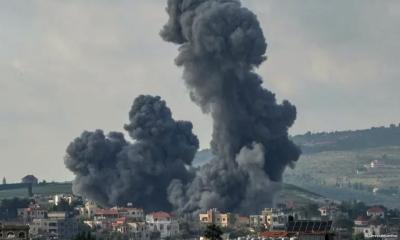
The summit takes place as the conflict between the United States, Israel, and Iran enters its third month. Operation Epic Fury, which began on February 28, 2026, has upended regional stability and sent shockwaves through the global economy. While a fragile ceasefire was brokered in April, the fundamental issues—including the blockade of the Strait of Hormuz and Iran`s nuclear infrastructure—remain unresolved. For months, President Trump’s attention has been divided between domestic concerns and military operations in the Western Hemisphere. However, this week, the spotlight shifts decisively to Beijing. The future of global trade, rising tensions over Taiwan, and the competition for supremacy in advanced technologies are all hanging in the balance as Trump and Chinese President Xi Jinping prepare to talk.
China’s role as the "Iran whisperer" has become a central theme of this diplomatic dance. Beijing, alongside Islamabad, has quietly stepped in as a peacemaker, presenting a five-point initiative aimed at a permanent cessation of hostilities. For President Xi, the war presents a complex ideological gift but a practical economic nightmare. While the conflict challenges American influence in West Asia, it has simultaneously crippled Chinese manufacturing. Oil prices have surged, driving up the cost of petrochemical-based goods by as much as 20%. For an economy already battling sluggish growth and high unemployment, the prolonged closure of the Strait of Hormuz is unsustainable. China is eager for an end to the war, but it will not provide its mediation for free.
The visit of Iranian Foreign Minister Abbas Araghchi to Beijing last week was a calculated display of China’s leverage. By hosting the top Iranian diplomat just days before Trump`s arrival, Beijing sent a clear message to Washington: any path to peace in the Middle East must pass through China. Araghchi’s endorsement of China’s four-point proposal for regional stability highlights the "precious trust" Tehran places in its strategic partner. President Trump, ever the negotiator, will likely seek a commitment from Xi to use this influence to secure a reopening of global shipping lanes. In exchange, the U.S. may be forced to reconsider its stance on technology controls and trade tariffs that have defined the bilateral relationship since 2025.
Economically, the stakes could not be higher. Despite China’s lead in renewable energy and electric vehicles, which has provided a partial buffer against the fuel crisis, its massive export sector is reeling from the global downturn. Trump, on the other hand, wants to demonstrate that his brand of diplomacy can deliver tangible benefits to the American middle class—specifically, a stabilization of energy prices and a return to "fair and reciprocal" trade. The proposal for a more institutionalized "Board of Trade" to manage imbalances is expected to be a major talking point. If Trump and Xi can find common ground on managed trade, it could signal a shift away from ad hoc tariff wars toward a more predictable, if competitive, framework.
Beyond economics and the Iran crisis, the specter of Taiwan and nuclear arms control looms over the Temple of Heaven. President Xi has repeatedly stressed that Taiwan remains the "red line" of the relationship. Trump, meanwhile, has called for a new nuclear arms control framework that includes China, reflecting the shifting strategic realities of 2026. Whether these sensitive topics are addressed head-on or sidelined in favor of immediate economic deliverables remains to be seen. However, the very fact that both leaders are meeting in person during such a volatile period suggests a shared recognition that the world`s most important bilateral relationship cannot be left to drift into total confrontation.
As the two leaders prepare for their banquet and a symbolic visit to the Temple of Heaven—where emperors once prayed for a good harvest—the world is watching for signs of fruit. A successful summit could provide the foundation for a new era of managed competition and regional stability. A failure, conversely, could accelerate the slide toward a fractured global order. For the millions of people affected by the war in the Middle East and the ensuing economic turmoil, the hope is that the choreography in Beijing leads to more than just a show. As Trump and Xi sit down to negotiate the future of the 21st century, the weight of their decisions will be felt in every corner of the globe for years to come.