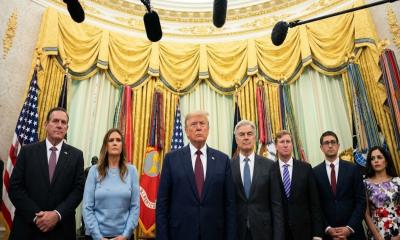
A heated debate over educational reform is intensifying in Michigan as public education advocates urge Governor Gretchen Whitmer to block a controversial federal initiative. The "Education Freedom Tax Credit," proposed by the Trump administration, has sparked a significant outcry among those who believe the plan threatens the integrity of the state’s public school funding. While the federal government frames the initiative as a way to enhance parental choice, local educational authorities view it as a direct challenge to the Michigan Constitution.
The proposed program offers up to $1,700 in federal tax credits for contributions made to scholarship organizations. These donations are intended to support K-12 scholarships, private tutoring, and other educational resources. According to a fact sheet released by the administration on May 11, 2026, the program aims to lower educational costs for American families, regardless of whether they choose private schooling or additional supports. Eligibility extends to families earning up to 300% of their area`s median income, a threshold that the administration claims makes the program "transformative" and accessible to most.
However, the response from Michigan`s public education groups has been anything but welcoming. Teachers` unions and school authorities argue that the credit functions as a "backdoor school voucher plan." Robert McCann of the K-12 Education Alliance of Michigan expressed deep skepticism about the program`s mechanism. He noted that the tax credit creates a third-party intermediary to funnel money that would otherwise support public infrastructure into private hands. According to McCann, this is a tactical maneuver designed to circumvent the Michigan Constitution’s explicit ban on using public funds for private education.
Beyond the legal and constitutional arguments, there is a profound concern regarding the financial health of public schools. While state funding provides the majority of revenue for K-12 education, federal support is vital for specific programs such as Title I, which assists low-income students, and various special education services. Advocates argue that diverting funds toward tax credits could drain resources away from the very schools that need them most. Furthermore, previous research suggests that similar voucher-style programs in other states have largely benefited wealthier families who were already utilizing private education, rather than helping students in chronically underfunded public districts.
Governor Whitmer has not yet made a final determination on Michigan’s participation, citing a need for further federal guidance on the program`s administration. However, for critics like Robert McCann, the technical details are irrelevant to the program`s perceived inherent flaws. He argued on Monday that no amount of guidance could fix a plan that he believes will fundamentally harm public schools while prioritizing those who already have the means to opt out of the public system. The "Education Freedom Tax Credit" is slated to launch in early 2027, leaving a narrowing window for state-level opposition to solidify.
Given the constitutional hurdles mentioned, do you think Governor Whitmer has a clear legal path to block the implementation of this federal tax credit within Michigan?