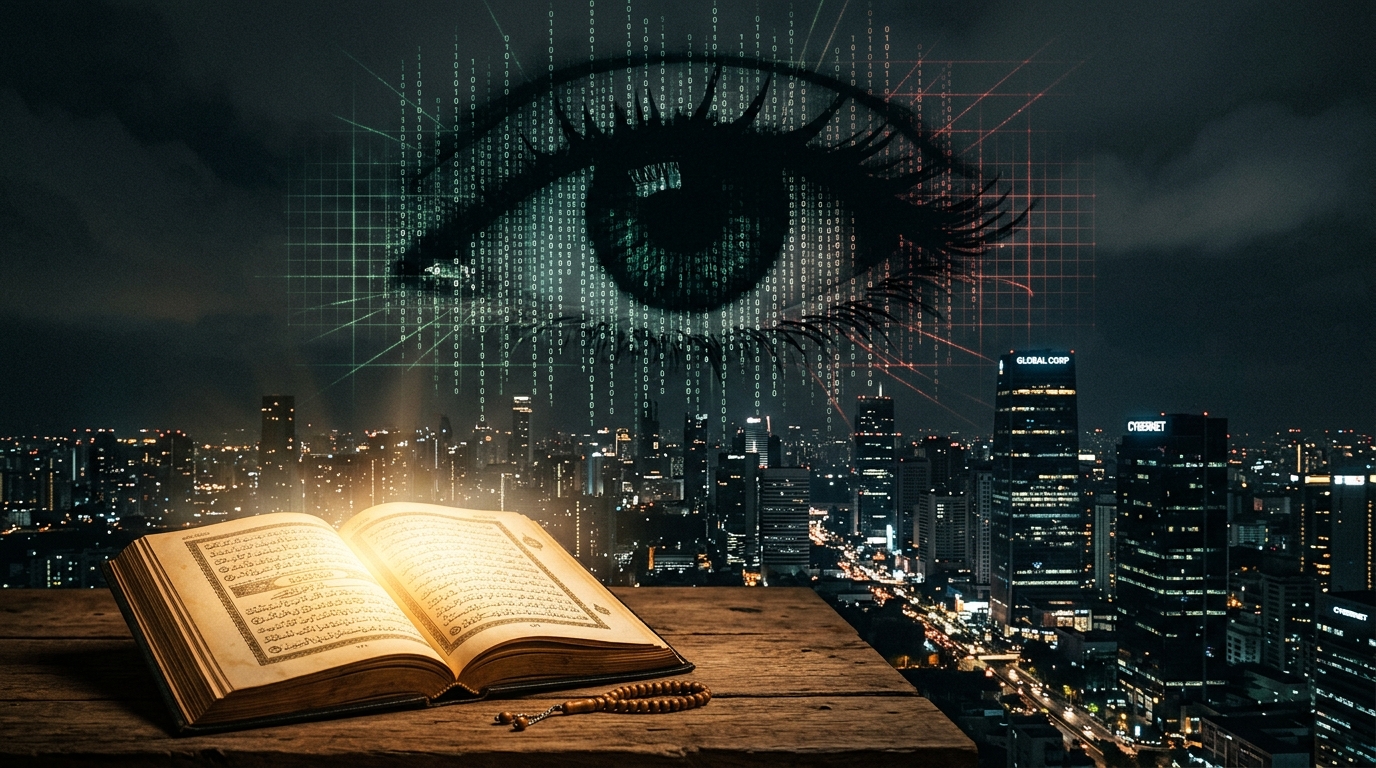
The rapidly shifting geopolitical landscape and the unprecedented acceleration of digital technology have sparked a profound dialogue among Islamic scholars and eschatologists worldwide. As conflicts intensify in the Middle East and our reliance on artificial systems reaches a tipping point, many are beginning to view these developments not merely as progress, but as the manifestation of the "Fitna of Dajjal" or the Great Deception. Experienced scholars who have dedicated decades to studying the Quran and Sunnah warn that humanity is being led into a sophisticated trap designed to strip away spiritual autonomy and replace it with a mechanized form of existence.
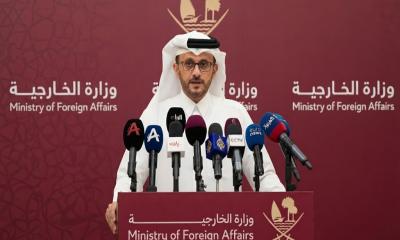
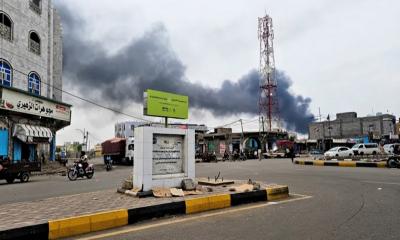
According to various reports from international outlets like Al Jazeera and Reuters, the ongoing tensions involving major powers such as Israel, the United States, and Iran are seen by many as precursors to the great battles described in Islamic eschatology. These scholars suggest that the endgame of these conflicts involves the establishment of a global surveillance state where technology serves as the primary tool of control. The discussion around subcutaneous microchips, once the realm of science fiction, has now entered the mainstream with companies testing brain-machine interfaces. In an Islamic context, this is viewed as a direct attempt to interfere with the "Fitra" or the natural state of human consciousness given by God.
The psychological impact of our constant companion—the smartphone—is a central theme in this modern warning. Scholars point out the irony in the term "smartphone," suggesting that as the device becomes smarter, the user inherently becomes more dependent and less intellectually self-sufficient. This dependency is not accidental; it is a commercial and psychological strategy to outsource human cognition to a central database. By relinquishing our critical thinking to algorithms, we are essentially allowing a digital intermediary to dictate our perceptions of truth and falsehood, which is a hallmark of Dajjal’s deception.
The Prophetic tradition, as recorded in Musnad Ahmad, forewarns of a time toward the end of the world when human intellect and wisdom will be snatched away. Observing the current generation, one can see the literal fulfillment of this prophecy. Rather than seeking guidance from the light of the Quran or the depths of contemplation, the modern individual instinctively turns to an cold, glowing screen for every answer. This shift from divine wisdom to artificial intelligence is creating a "disabled" generation—one that possesses vast amounts of information but lacks the "Baseerah" or spiritual insight to utilize it for the benefit of their souls.
Scientific research, often cited by major news organizations like the BBC, supports the concerns regarding the detrimental effects of technology on the human brain. Neurological studies indicate that excessive screen time, especially among children, can lead to significant developmental delays and a breakdown in social communication. Reports of children losing their speech or becoming emotionally stunted due to smartphone addiction are no longer rare. This destruction of human potential is seen by many religious thinkers as a calculated part of a larger plan to weaken the future of the Ummah, making them more susceptible to manipulation and control.
The intensity of this technological trap is further emphasized by the physical toll it takes. Experts suggest that even a few minutes of intense phone usage can leave the brain in a state of chaotic vibration for a significant period. This mental instability prevents the heart from attaining "Khushu" or tranquility during worship. The Quran, in Surah Al-A`raf (7:179), describes people who have hearts but do not understand and eyes but do not see, comparing them to cattle or worse. The current technology-obsessed society mirrors this description, where people are physically present but mentally and spiritually absent, lost in a digital void.
Perhaps the most jarring warning provided by eschatologists is the predicted collapse of this very technology. Based on interpretations of Hadith regarding the return of Jesus (Isa A.S.) and the final battles, many believe that the mechanical age is a temporary trial. They foresee a future—perhaps within the next two decades—where the complex systems of electricity, aviation, and global communications will fail entirely. In this scenario, the world will revert to a pre-industrial state, where survival depends on physical labor and the use of animals like horses and camels. What seems like an impossibility today is viewed as a divine reset in the Islamic worldview.
Given these potential shifts, there is an urgent call for Muslims to prioritize physical fitness, manual skills, and spiritual resilience. The advice from the scholarly community is to abandon the luxury of total tech-dependency and return to a more natural, grounded way of life. Safeguarding the faith of the next generation requires a conscious effort to limit screen time and reintroduce the habit of reading physical books and engaging in meaningful human interactions. As Sahih Muslim notes, the trials of the end times will be as dark as the night, and only those with the light of true faith and awareness will find their way through.
In summary, the Fitna of Dajjal is not just a future event but a present reality manifesting through our screens and systems. It represents a system that flips the truth on its head, presenting the harmful as beneficial and the sacred as obsolete. Our smartphones have become the tools through which our privacy is invaded and our mental energy is harvested. To escape this trap, one must look beyond the artificial glow and reconnect with the eternal light of the Quran and Sunnah. Awareness, physical preparation, and unwavering trust in Allah are the only shields against the encroaching darkness of this digital deception.