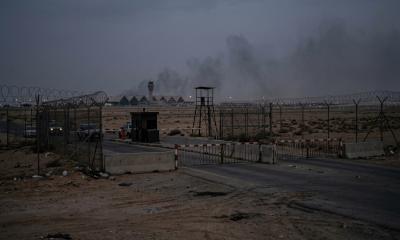
The Trump administration has officially launched a high-stakes initiative to establish 24 new immigration detention centers across the United States as part of a nationwide mass deportation effort. Overseen by the Department of Homeland Security (DHS), the $38.3 billion "Detention Reengineering Initiative" aims to drastically increase the capacity of Immigration and Customs Enforcement (ICE) to hold and process unauthorized individuals. However, the plan has encountered fierce legal and social resistance, particularly in Pennsylvania, where the state government and local communities are fighting to block the construction of massive new facilities.
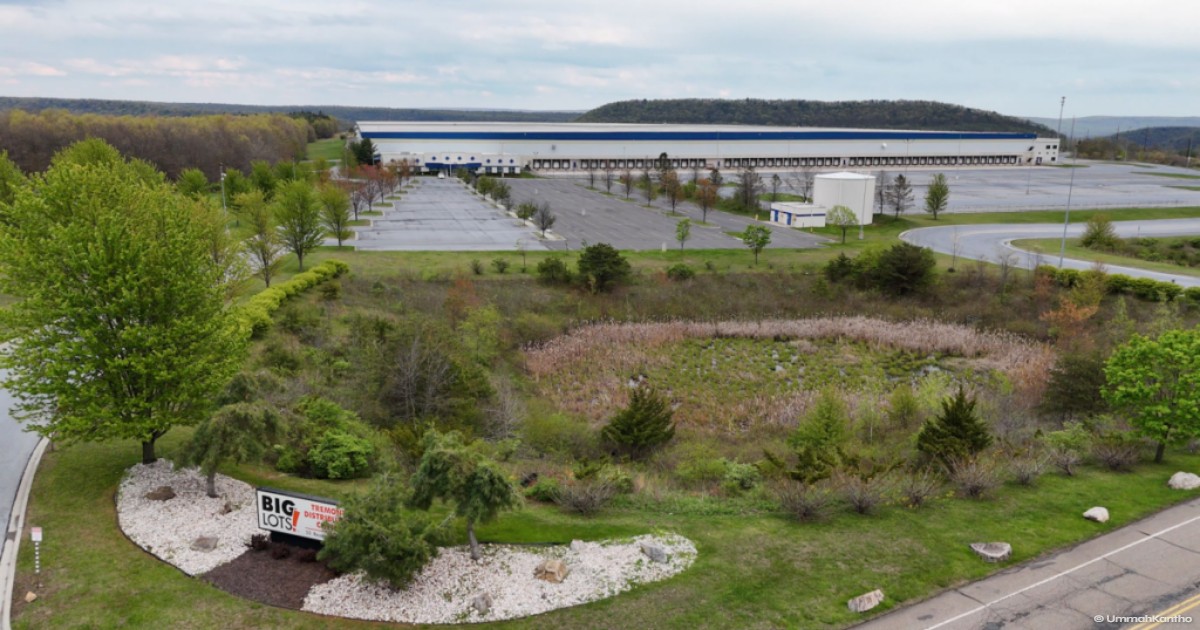
The proposed expansion includes the establishment of eight large-scale "mega-centers" and 16 regional processing sites. In Pennsylvania, federal authorities have identified sites in Schuylkill and Berks counties for conversion. The most contentious proposal involves a 1.3 million-square-foot former warehouse in Tremont Township, Schuylkill County, which ICE plans to convert into a 7,500-bed facility. To put this into perspective, the township currently has fewer than 300 residents. Local organizers like Jennifer Devine have voiced outrage over the scale and nature of the project, arguing that detainees are being treated as commodities rather than human beings.
Pennsylvania Governor Josh Shapiro has emerged as a leading figure in the opposition to the federal plan. In a move described by legal experts as unusual, the Shapiro administration is utilizing environmental regulations to stall the projects. The state Department of Environmental Protection (DEP) has issued administrative orders demanding that DHS prove the facilities can meet strict standards for drinking water and sewage treatment. Governor Shapiro argued that the proposed Schuylkill facility would require double the entire current water system`s capacity, potentially leaving local residents without water for their daily needs.
The Department of Homeland Security has responded by appealing the DEP orders to the state’s Environmental Hearing Board. Federal officials claim that the state’s environmental requirements are "excessive" and represent a direct interference with federal immigration enforcement powers. The conflict highlights a deepening constitutional tension between state regulatory authority and federal executive mandates. While DHS argues that the facilities will bring significant tax revenue and thousands of jobs to rural areas, critics maintain that the counties cannot absorb the logistical impact on emergency services, roads, and judicial systems without massive structural federal support.
U.S. Representative Dan Meuser has been involved in discussions to address the infrastructure concerns, suggesting that the federal government is willing to negotiate financial compensation and utility upgrades for the affected counties. However, many community members remain skeptical, viewing the selection of smaller, rural areas as a strategic move by the administration to minimize organized opposition. As ICE moves forward with its goal of detaining up to 92,600 individuals at a time, the battle over the Pennsylvania centers has become a flashpoint for a larger national debate over human rights, state sovereignty, and the future of immigration in America.
Given the scale of these proposed facilities relative to the local population, do you think the federal government`s economic promises are enough to overcome the significant infrastructure and humanitarian concerns raised by state leaders?