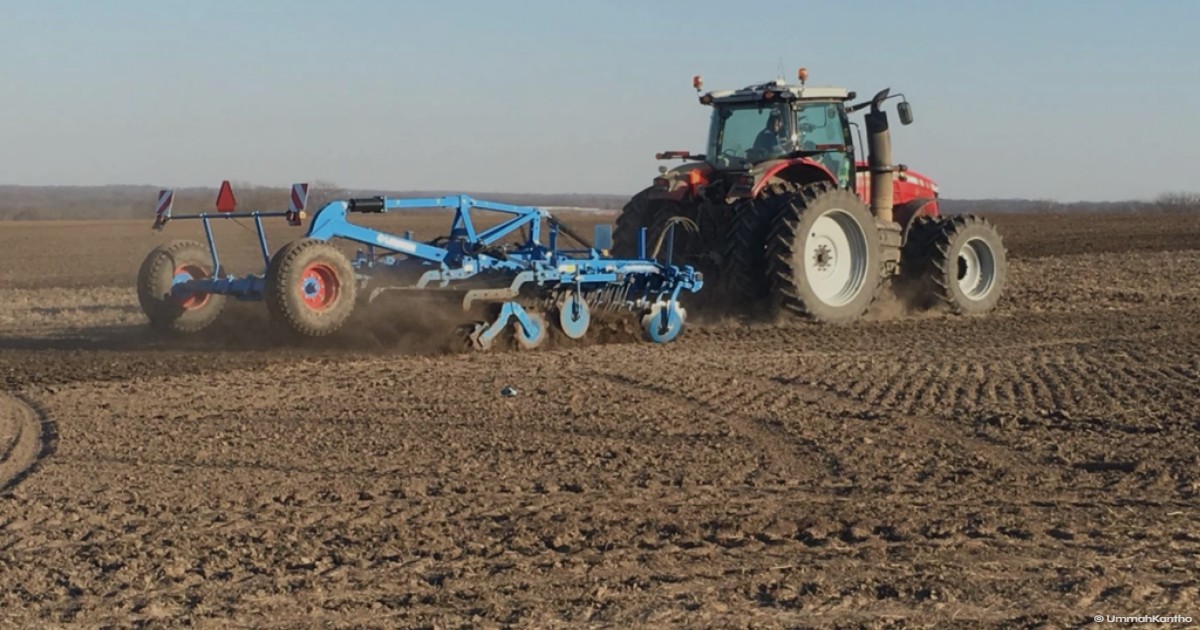
As global farmers navigate an increasingly volatile economic landscape, the focus has shifted toward precision agriculture and a deeper understanding of soil composition. Measuring nutrient levels like nitrogen and phosphorus has become a survival strategy for many, allowing producers to optimize fertilizer use amidst soaring input costs. Significant hikes in the prices of essentials such as diesel fuel and nitrogen-based nutrients are compelling farmers to make difficult financial decisions. From delaying equipment maintenance to drastically reducing fertilizer applications, the agricultural sector is undergoing a period of forced adaptation in response to geopolitical shocks.
DeDe Jones, a risk management economist with Texas A&M AgriLife Extension Service, has been working closely with producers to maintain profitability in these challenging times. According to Jones, there is no single solution or "silver bullet" for the 2026 season. Instead, maintaining a viable bottom line comes down to small, strategic adjustments. One of the most effective methods identified is taking advantage of residual nitrogen already present in the soil. By utilizing soil testing before application, farmers can avoid over-applying expensive nutrients, ensuring that every dollar spent contributes directly to crop yield rather than being wasted on saturated soil.
The demand for soil testing services has seen a marked increase, particularly in the U.S. Midwest. Davis, a crop consultant who has managed his firm for nearly a decade, observed that the current economic status of row crop farming has accelerated this trend over the last two years. While some farmers are adopting scientific methods to stay afloat, others are taking more drastic measures. Reports indicate that a significant number of growers have simply cut out fertilizer applications almost entirely this season due to the prohibitive costs. This shift highlights the growing disparity between those who can afford precision management and those who are being priced out of traditional farming.
According to data from the American Farm Bureau Federation, nitrogen fertilizer costs have surged by over 30% since the onset of the conflict in Iran. While some farmers in the Midwest managed to secure supplies at lower prices during the previous fall, many were left vulnerable to the price spikes. The situation is further exacerbated by the rising cost of diesel, which is currently nearly $2 per gallon more expensive than it was just a year ago. These increments are directly linked to the U.S. and Israeli military actions in Iran and the subsequent blockade of the strategic Strait of Hormuz, a key artery for global energy and chemical shipments.
The blockade of the Strait of Hormuz was a variable that few farm economists anticipated in their initial 2026 forecasts. Michael Langemeier, a professor and director of the Center for Commercial Agriculture at Purdue University, described the sudden rise in fuel and fertilizer costs as a "shock to the system." Previous cash flow projections for the year did not account for such severe disruptions in the supply chain. As profit margins continue to tighten, the agricultural industry is watching the geopolitical situation closely, knowing that the duration of the blockade will likely dictate the financial outcome for thousands of farming operations worldwide.
Given the success of soil testing in reducing costs, do you think government subsidies should pivot from direct fertilizer aid to supporting precision agriculture technologies for small-scale farmers?