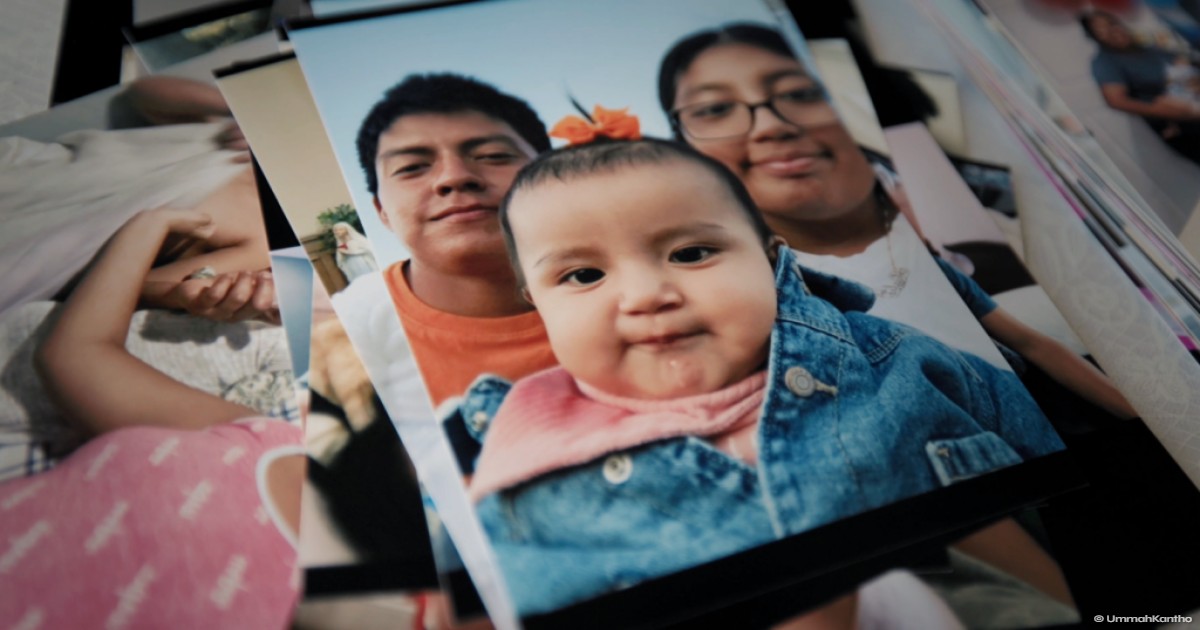
In the quiet residential pockets of West Scranton, Pennsylvania, the harsh reality of national immigration policy has taken a deeply personal toll on the Tenezaca-Lema family. On May 10, 2026, Aida Tenezaca found herself navigating a crisis that few are prepared to handle alone. Just twenty-four hours before she was scheduled for a life-changing job interview as a patient intake clerk at Geisinger Community Medical Center, her husband, Virgilio Lema, was apprehended by federal immigration authorities. The sudden arrest has left Aida as the sole provider and caregiver for their two young daughters, Victoria and Ana, in an increasingly uncertain political climate.
The events leading up to the separation were as ordinary as they were tragic. The night before Lema’s detention, Aida, who works in a local warehouse, expressed her nerves regarding her upcoming interview. Lema had offered words of encouragement, urging her to stay calm and confident. They fell asleep on their living room couch, a typical scene of domestic tranquility. However, as dawn broke, the routine was shattered. Shortly after Lema left for work, Aida received a frantic phone call informing her that he had been detained by agents. Lema had entered the United States as a fifteen-year-old through Texas and had inadvertently triggered his deportation by missing a critical court hearing back in 2016.
The story of the Lema family is not an isolated incident but part of a broader trend of intensified immigration enforcement under the current Trump administration. Despite maintaining a clean criminal record and being a contributing member of the Scranton community for years, Lema’s past procedural errors became the catalyst for his removal. For Aida, the realization that her husband is now across the border is a weight she carries every day. The job interview at Geisinger never took place, as she was forced to focus on the immediate survival of her household and the daunting task of explaining their father`s absence to her children.
Aida now clings to the physical memories of their life together, particularly the photographs she had printed as part of an I-130 petition. This legal application is her only hope of bringing Lema back to the United States as a lawful resident, though she is well aware that the process can take years of bureaucratic waiting. In the meantime, she continues to share the small milestones of their daughters` lives with him via digital calls. She recently had to tell him about their daughter Ana’s first steps over the phone, a moment that should have been shared in person.
The emotional and financial strain of this separation highlights the profound human cost of stringent immigration laws. Aida remains in Scranton, balancing her warehouse job with the exhausting demands of single parenting. While she acknowledges that her husband did not enter the country through traditional legal channels, she argues that the method of separation is inhumane. Her resolve to reunite her family remains unshaken, but the path forward is obscured by the complexities of federal law and the ongoing political debate over immigration in America. For now, Aida waits and works, hoping for a future where her daughters can once again wake up with both parents in their home.
Given the long processing times for I-130 applications, how can local communities in places like Scranton better support families facing the sudden loss of a primary breadwinner due to deportation?