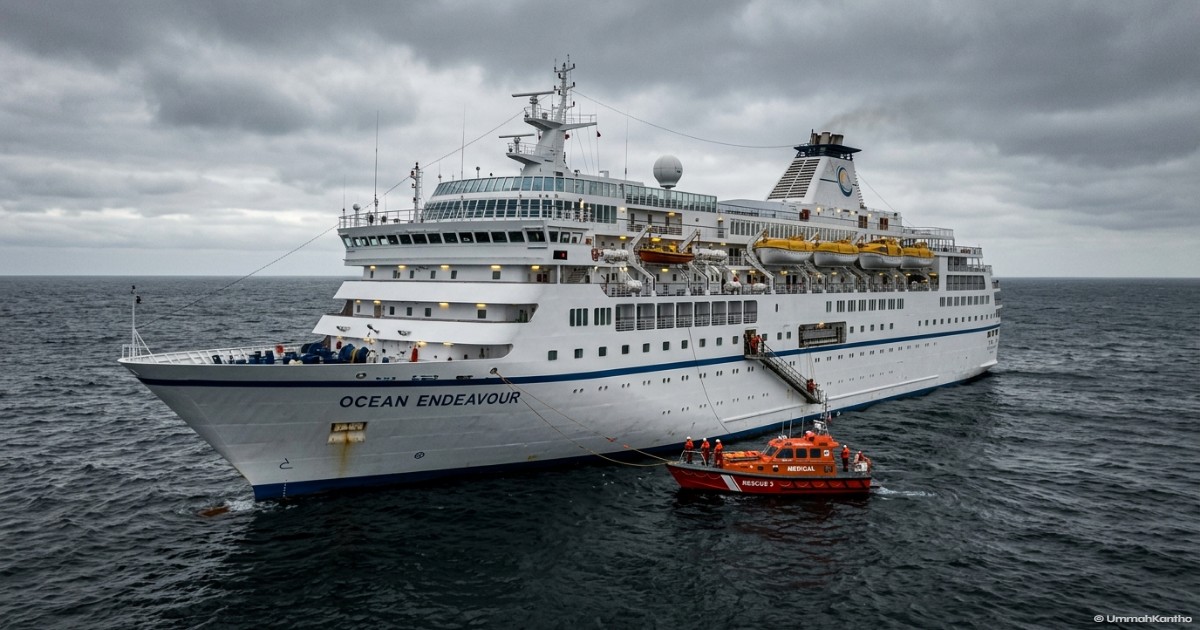
The MV Hondius, an expedition cruise ship that departed from Argentina on April 1, has become the center of an international health investigation following a deadly outbreak of hantavirus. With three confirmed deaths and several hospitalizations, health authorities in multiple countries are working to track passengers who disembarked and flew home to the UK, South Africa, the Netherlands, and the United States. While the news of a virus spreading on a ship naturally sparks concern in a post-pandemic world, experts are urging the public not to panic.
Dr. Maria Van Kerkhove from the World Health Organization (WHO) addressed the growing anxiety on Thursday, emphasizing that this is not the start of a new global pandemic. She stated clearly that hantavirus is fundamentally different from COVID-19 or influenza. Unlike highly contagious respiratory viruses that spread easily through the air over long distances, hantavirus transmission remains significantly more difficult. According to the WHO, the risk to the general public remains very low, as the virus does not typically trigger large-scale community outbreaks.
The current situation involves the Andes strain of hantavirus, which is native to parts of South America. Most hantaviruses are transmitted from rodents to humans through contact with infected urine, droppings, or saliva. However, the Andes strain is unique because it is the only hantavirus known to spread between humans. Experts believe this rare human-to-human transmission occurred on the MV Hondius due to the "prolonged and close contact" found in shared cabins and dining areas. Even in these cases, the transmission is limited to those in immediate proximity to a very ill patient.
The fatalities confirmed so far include two Dutch nationals and one British passenger. The timeline of the outbreak suggests the first patient likely became infected before or shortly after boarding in Ushuaia. Since then, laboratory tests have confirmed six cases of the Andes virus, with two additional probable cases. The ship, currently carrying around 150 people from 23 different nationalities, is now en route to Tenerife, Spain, where specialized medical resources are being prepared to assist those remaining on board.
For those concerned about symptoms, hantavirus typically begins with fever, severe muscle aches, and gastrointestinal issues like nausea and diarrhea. It can rapidly progress to severe respiratory distress. However, it is important to note that the incubation period can last up to six weeks, meaning health officials are closely monitoring those potentially exposed. Despite the severity for those infected, the consensus among global health agencies is that the risk of a widespread outbreak is minimal. The specific rodents that carry this virus are not found outside South America, and the lack of easy transmission means the average person has no reason for heightened alarm.