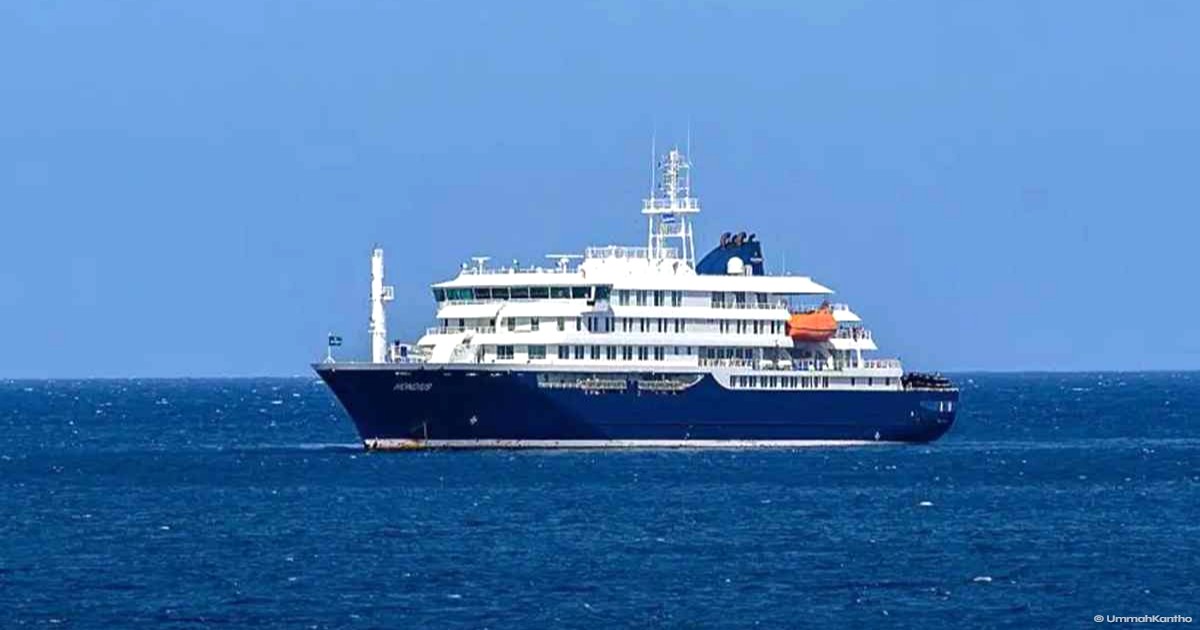
A Dutch cruise ship currently at the center of a deadly hantavirus outbreak is preparing to sail toward Spain’s Canary Islands as international health authorities scramble to contain the infection. The vessel, known as the MV Hondius, became the site of a medical crisis after several individuals on board tested positive for the virus, resulting in three confirmed deaths. According to Spain’s health ministry, the ship is being redirected from its current position near Cape Verde because the local infrastructure lacks the specialized capabilities required to manage such a highly infectious outbreak.
The situation is particularly alarming due to the specific nature of the virus identified. Reports from the World Health Organization and Reuters indicate that the cases are linked to the Andes strain of hantavirus. Unlike many other strains that are typically transmitted from rodents to humans, the Andes strain is notorious for its ability to spread through human-to-human contact. This discovery has placed the 149 passengers and crew members from 23 different countries under strict precautionary measures. So far, seven cases have been identified, including two confirmed and five suspected infections. Among the deceased is a Dutch woman who had been on the voyage since it departed from Argentina approximately a month ago.
What followed the initial discovery was a series of emergency evacuations. Two crew members, including the ship’s reportedly British doctor, are currently in need of urgent medical intervention. Plans were set in motion on Tuesday to evacuate them via a specialized hospital aircraft to the Canary Islands. Additionally, a 69-year-old UK national who tested positive for the virus was previously evacuated to South Africa for intensive treatment. The operator of the ship, Oceanwide Expeditions, stated that the decision to head toward Spanish territory was a logistical necessity, as Cape Verde was unable to carry out the complex medical operations required to stabilize the remaining patients.
Spain’s health ministry has emphasized that it has a legal and moral obligation to assist those on board, especially given that several Spanish citizens are among the passengers. The ship is expected to arrive at either Gran Canaria or Tenerife within the next three to four days. To ensure the safety of the local population in the Canary Islands, the ministry has outlined a rigorous protocol. Upon arrival, all interactions with the passengers and crew will take place in "special spaces" using dedicated transport systems designed to avoid any contact with residents. Healthcare personnel will also be provided with high-level protective gear to prevent further transmission.
Here is the thing about such outbreaks on cruise ships: the confined environment makes containment extremely difficult. After the ship docks, every individual on board will undergo a thorough medical examination and receive necessary care before being cleared to return to their home countries. Aside from the British crew member who was evacuated, there are 22 other British nationals still on board the MV Hondius. The incident serves as a stark reminder of the challenges posed by rare viral strains in the travel industry. As the ship makes its slow journey toward Spain, global health monitoring continues to focus on whether the strict quarantine measures will be enough to stop the spread of the Andes strain among the remaining travelers.