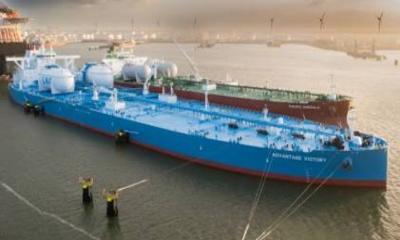
Global oil markets experienced a slight cooling in Asian trading on Wednesday, following a major announcement from US President Donald Trump regarding military operations in the Middle East. According to a report by BBC News, oil prices edged lower after Trump raised hopes for a potential diplomatic agreement with Iran to end the ongoing regional conflict. The US government confirmed it would pause "Project Freedom," a high-stakes operation designed to guide and protect commercial ships navigating through the highly volatile Strait of Hormuz trade route.
The immediate market reaction was visible. Brent, the global benchmark for crude oil, fell by 1.7% to $108 per barrel, while US-traded crude oil saw a parallel drop of 1.6% to $100.60. This easing comes as a relief to global markets after prices had jumped by more than 6% earlier in the week due to intensifying attacks across the region. The broader context of this price surge dates back to late February, when US-Israeli strikes prompted Tehran to threaten attacks on commercial vessels attempting to cross the strait. Because roughly one-fifth of the world’s global oil and natural gas shipments pass through this narrow maritime chokepoint, any threat of disruption immediately sends shockwaves through international energy prices.
President Trump utilized social media on Tuesday to outline the shift in strategy. He stated that Project Freedom would be paused for a short period to determine whether a final agreement could be formalized and signed. He noted that great progress had been made toward a complete resolution with Iranian representatives. However, the diplomatic olive branch came with a stark economic caveat. Trump clarified that the US military would continue to block ships transiting to and from Iranian ports. This targeted blockade is clearly designed to maintain severe pressure on Iran`s economy while negotiations take place.
Market analysts remain cautious about the long-term implications of this pause. Charu Chanana, an investment strategist at the firm Saxo, told the BBC that the suspension of Project Freedom is a clear sign that Washington is willing to give diplomacy another chance. Yet, she emphasized that it is too early to call this a definitive turning point. The ultimate test for oil traders is whether this diplomatic opening translates into genuine progress in fully reopening unhindered trade through the Strait of Hormuz. Right now, concrete evidence of that reopening remains limited.
In Washington, the tone has shifted significantly toward de-escalation. US Secretary of State Marco Rubio informed reporters that the initial US-Israeli offensive inside Iran had concluded, stating flatly that Washington`s primary objectives had been met. Rubio made it clear that the administration prefers the path of peace and that securing a deal is the president`s main priority at this stage.
Despite the shift in US posturing, the response from Tehran has been far from accommodating. While there has been no official state response to Rubio`s specific remarks, Iranian parliamentary speaker Mohammad Ghalibaf recently delivered a defiant message. He stated that Iran is well aware that the continuation of the current status quo is intolerable for the United States, adding ominously that Tehran is "just getting started."
Project Freedom was originally intended to ensure the steady flow of energy through the channel, but it rapidly became a flashpoint that tested the fragile conditional ceasefire established between the two nations on April 8. The tension in the water has been palpable. According to the BBC, the US previously confirmed it had struck several Iranian fast boats operating aggressively in the channel. Additionally, the United Arab Emirates accused Iran of launching strikes on one of its major oil ports—a severe allegation that Tehran has consistently denied. For now, the global energy market watches the Strait of Hormuz closely, waiting to see if diplomacy can truly replace deterrence.